You can spot a Beverly Hills classic from a block away, but telling a true Spanish Revival from a polished contemporary can be tricky at first glance. If you are refining your search, understanding style is a powerful way to narrow homes by architecture, layout, and lifestyle fit. In this guide, you will get a clear, buyer-friendly glossary of the five styles you will see most often in Beverly Hills, plus value signals and due diligence tips to use on showings. Let’s dive in.
How to use this glossary
- Name what you love with precision. Saying “Spanish Revival with an interior courtyard” or “Trousdale-era mid-century oriented to canyon views” helps your agent match the right homes fast.
- Ask whether a home is original, restored, or a major rebuild. Each path affects value, inspections, and permitting.
- Verify all significant work. Check permits and finals with the City of Beverly Hills Building and Safety or Los Angeles County for BHPO addresses.
- Balance style with the big drivers. Lot, privacy, views, and neighborhood context often shape value more than architecture alone.
Spanish Revival
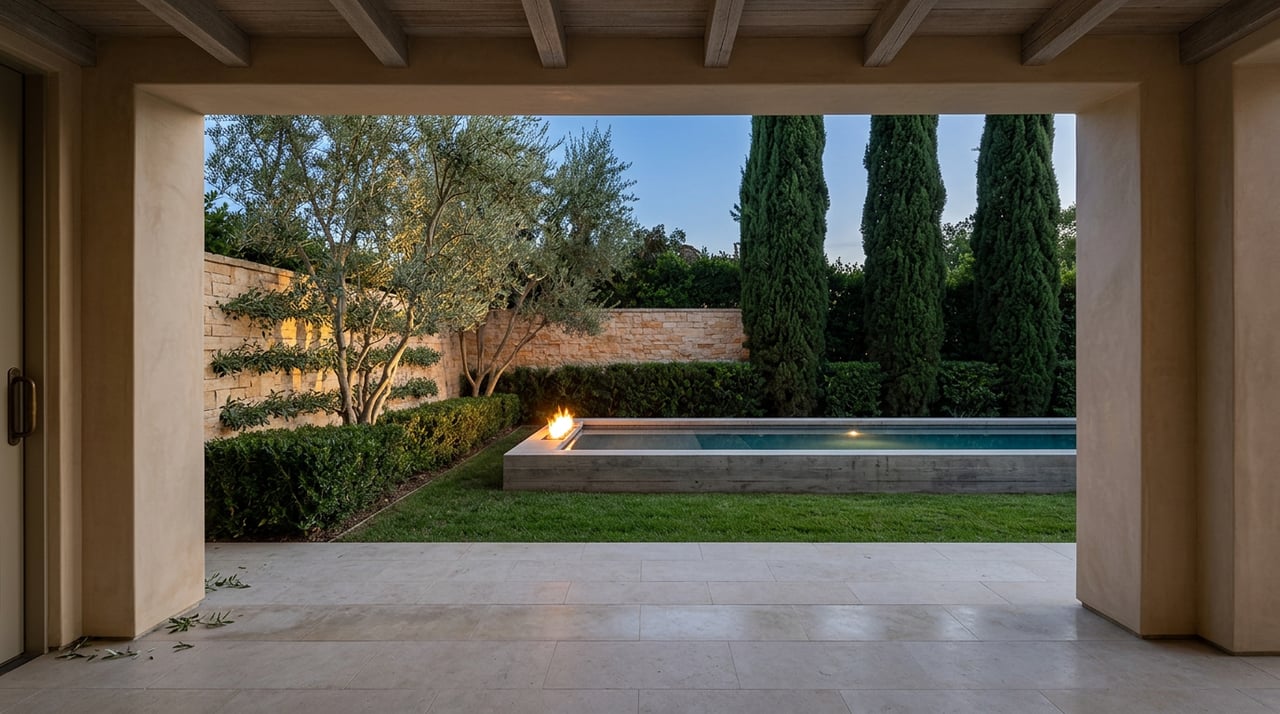
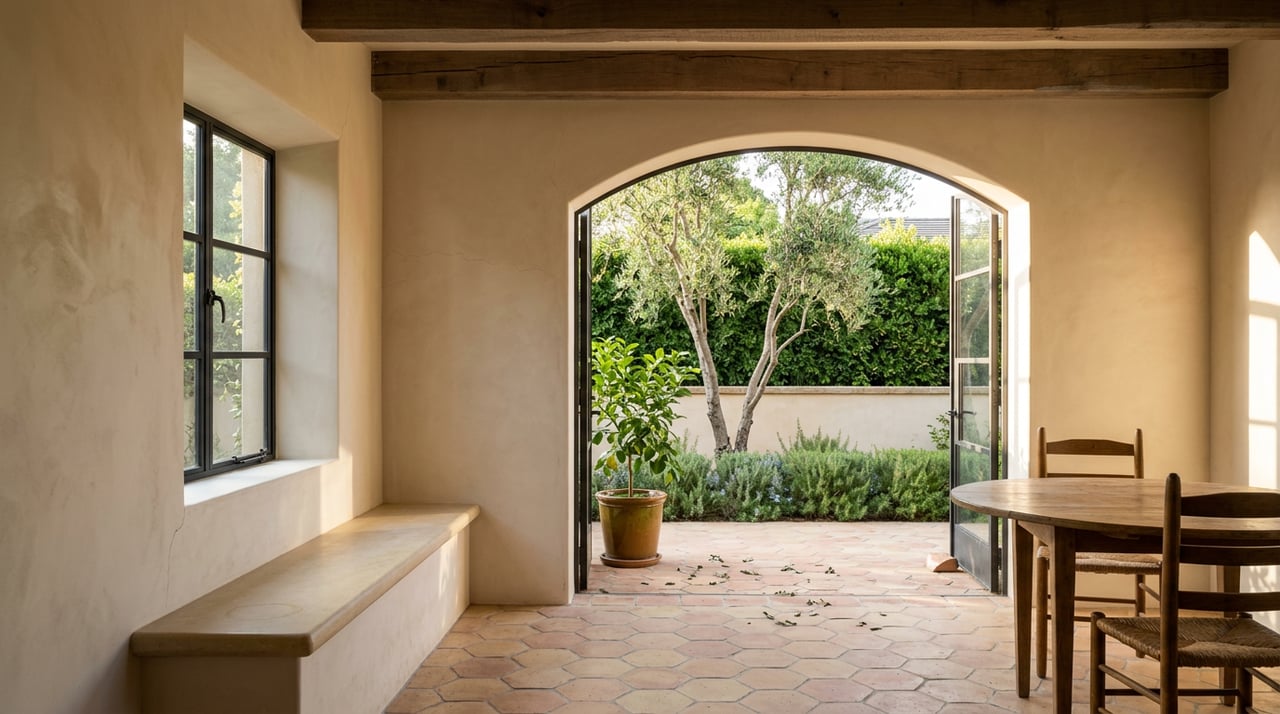
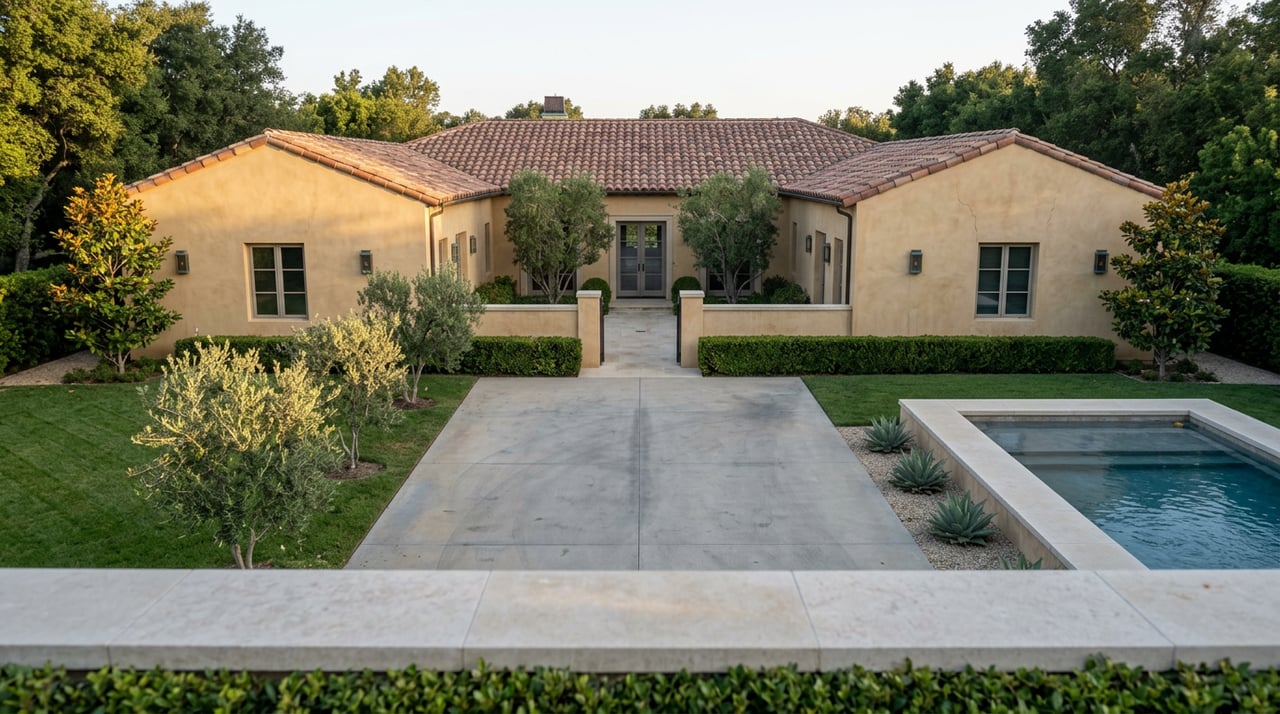
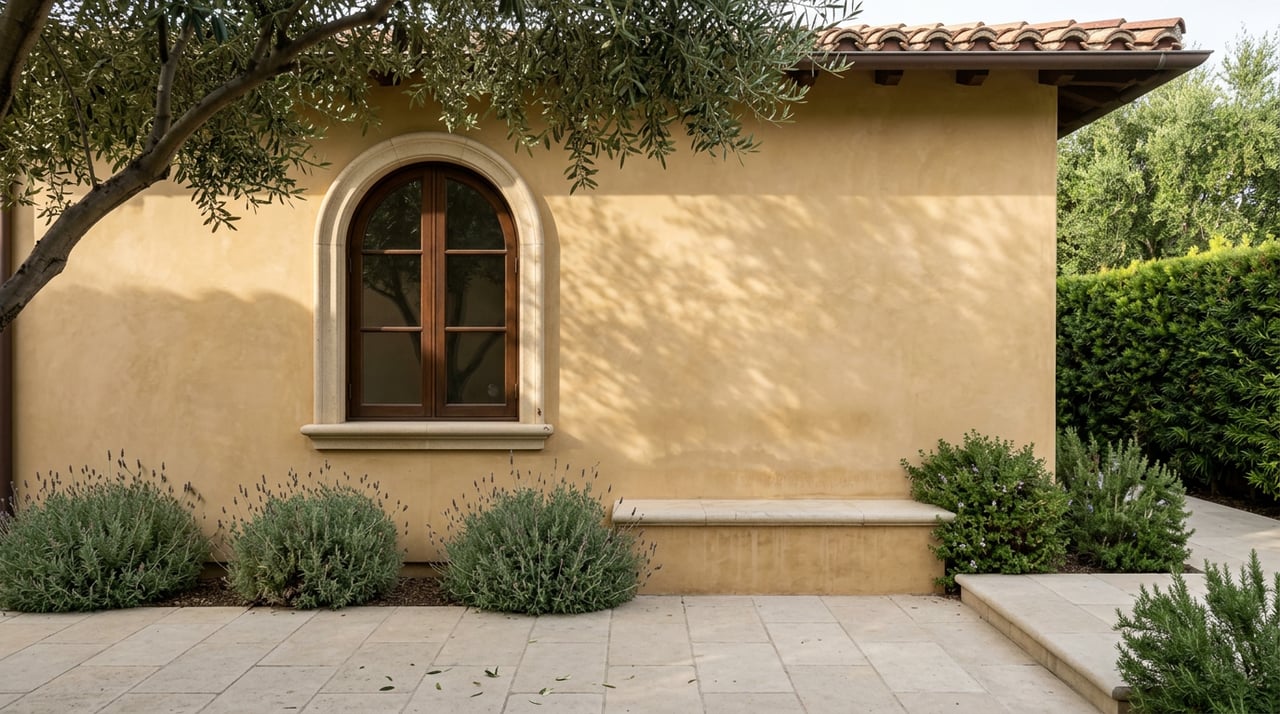
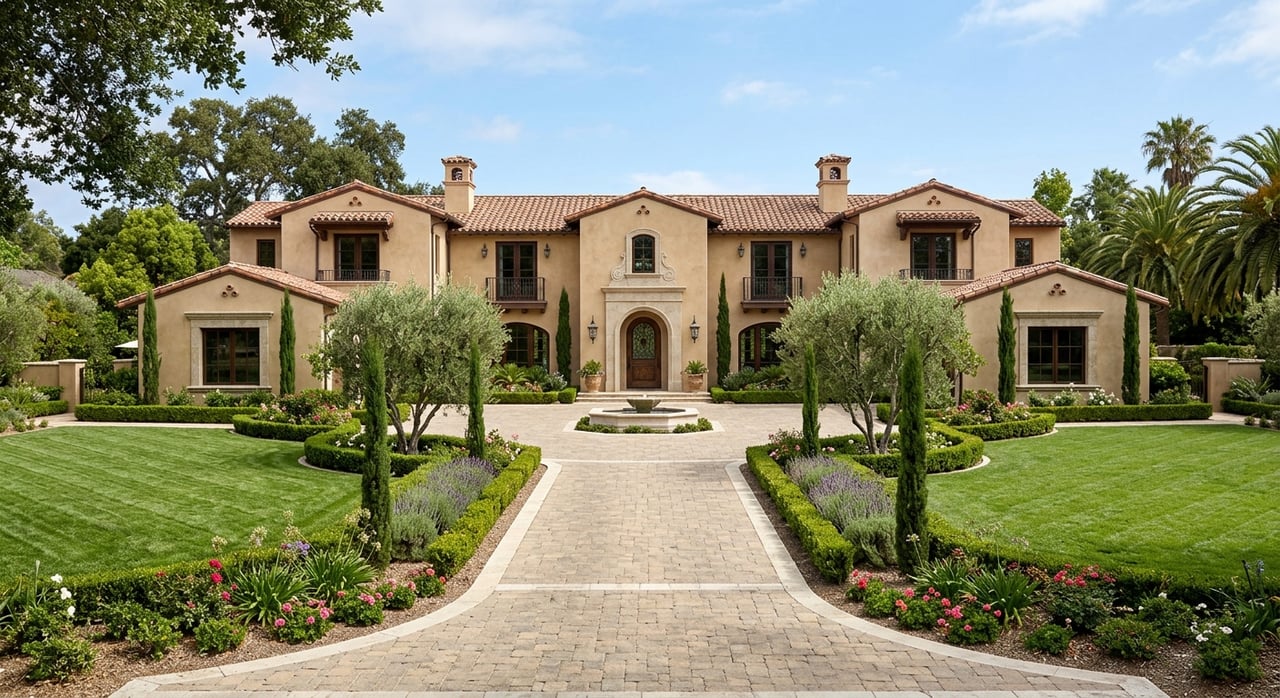
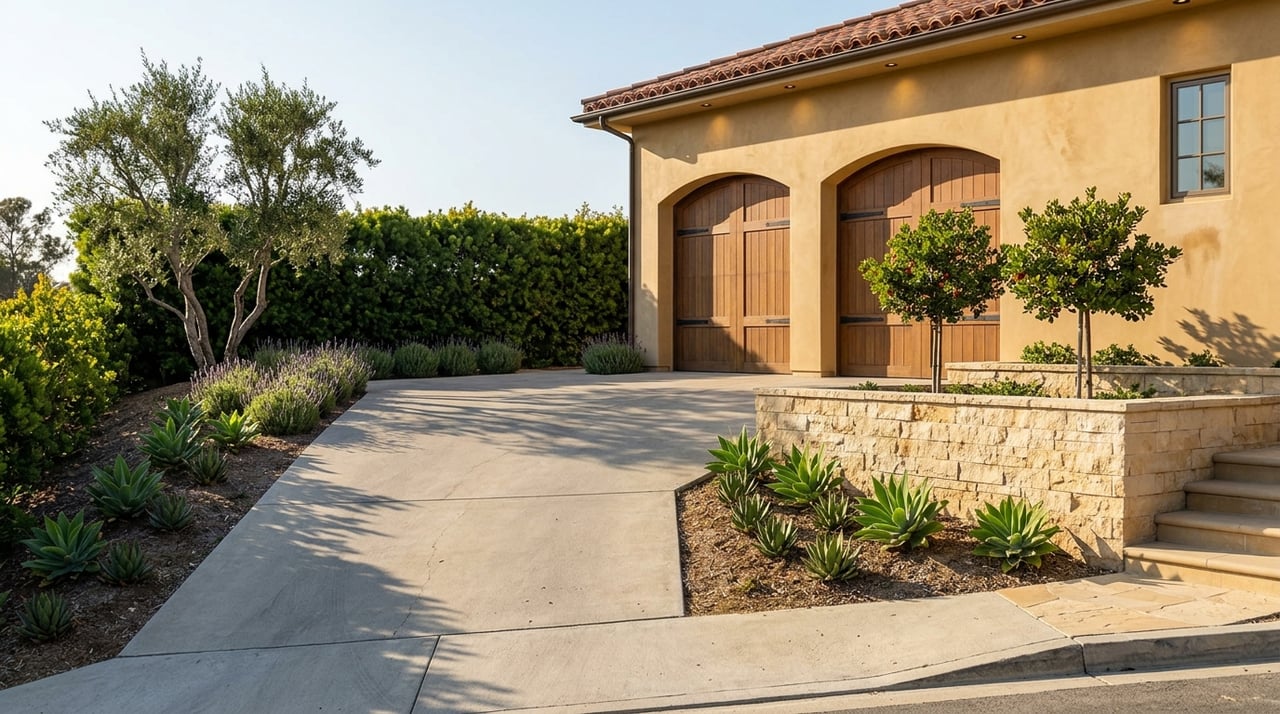
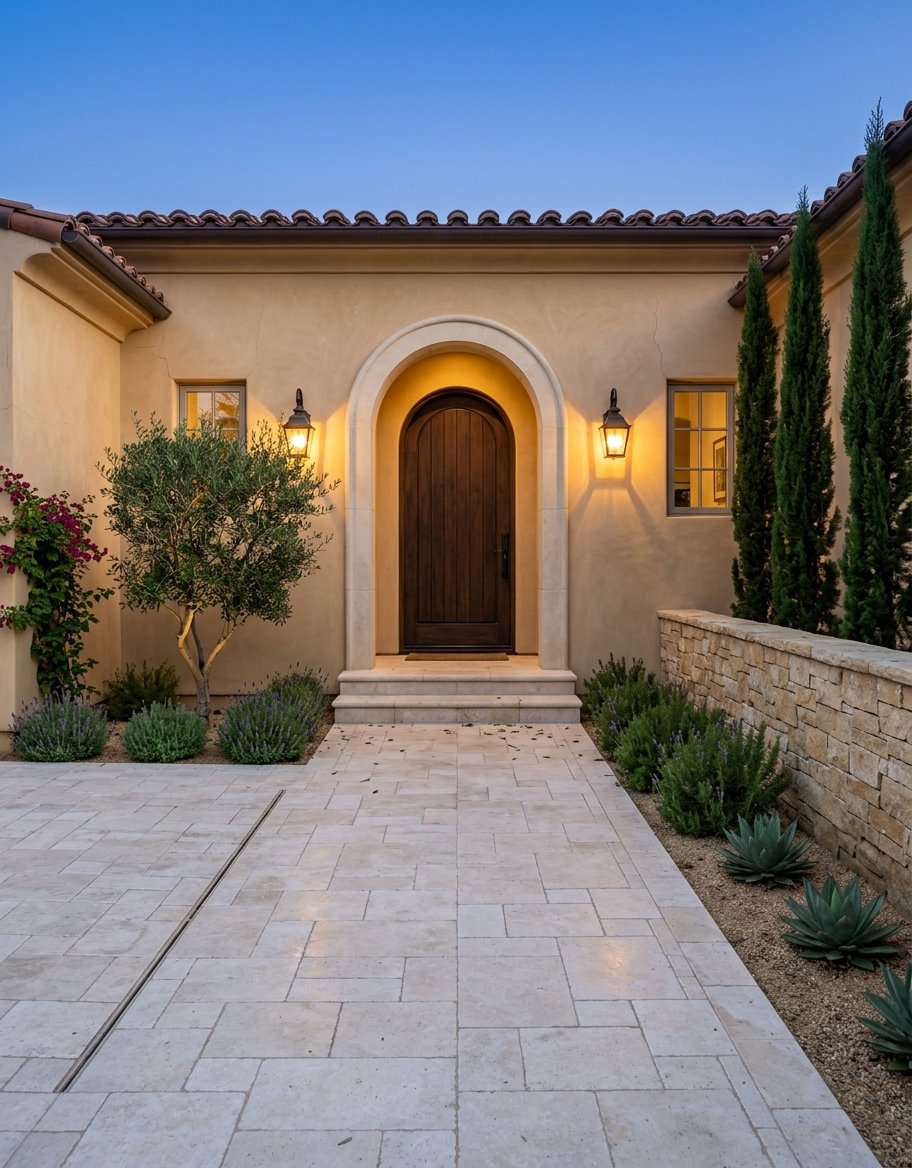
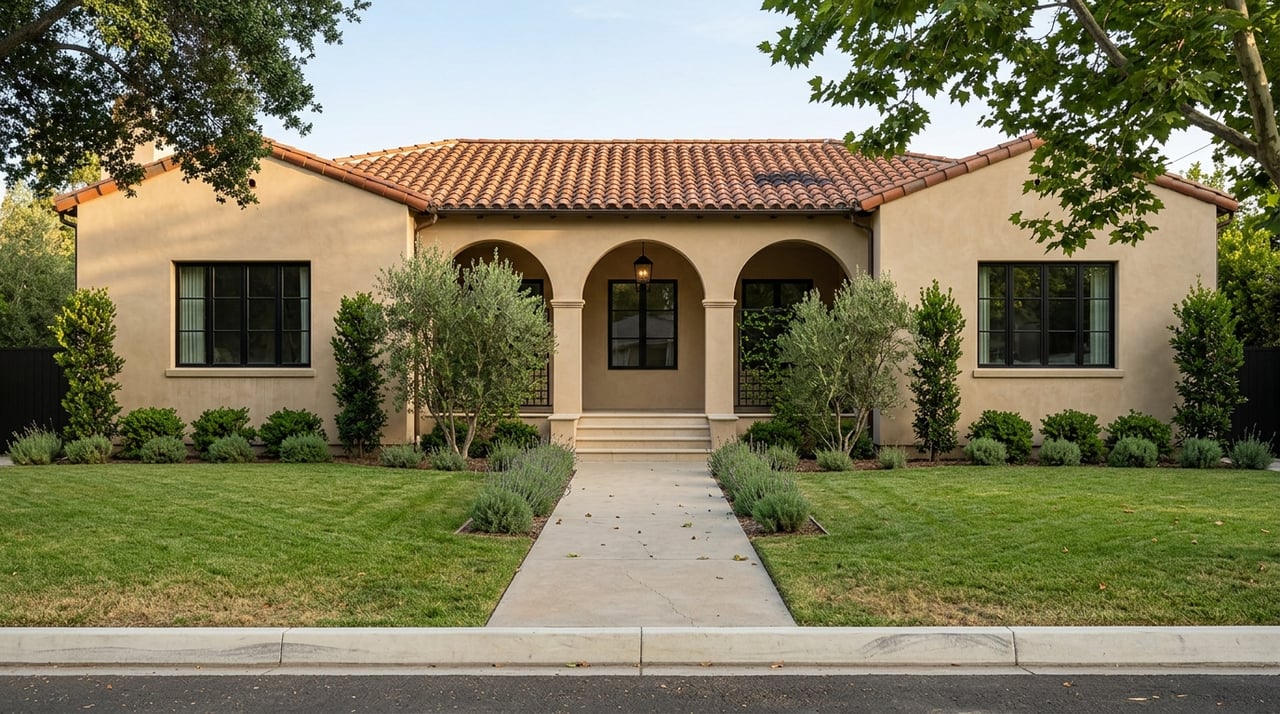
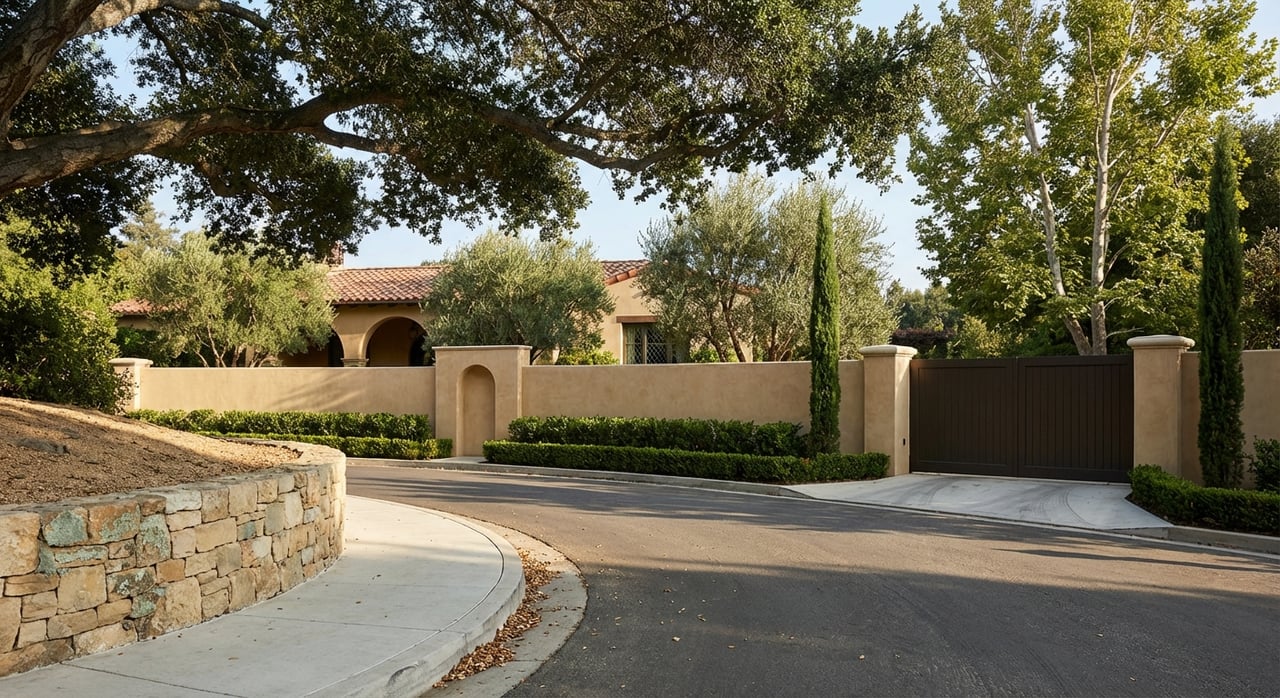
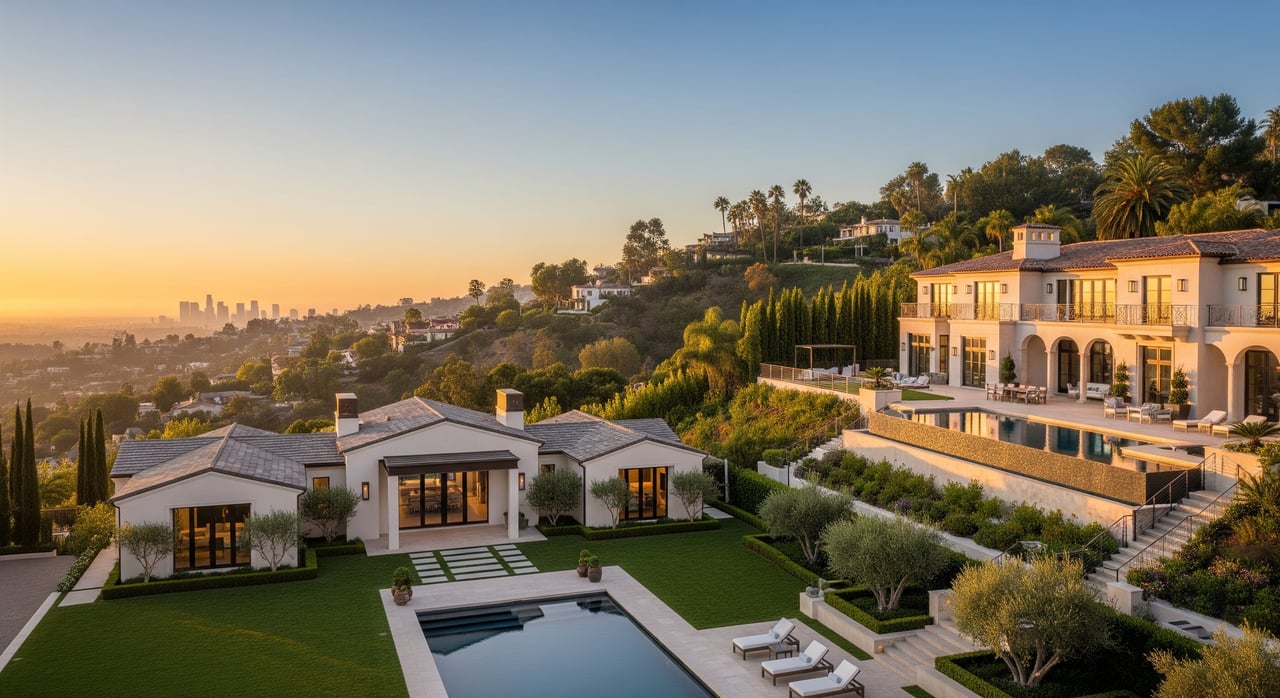
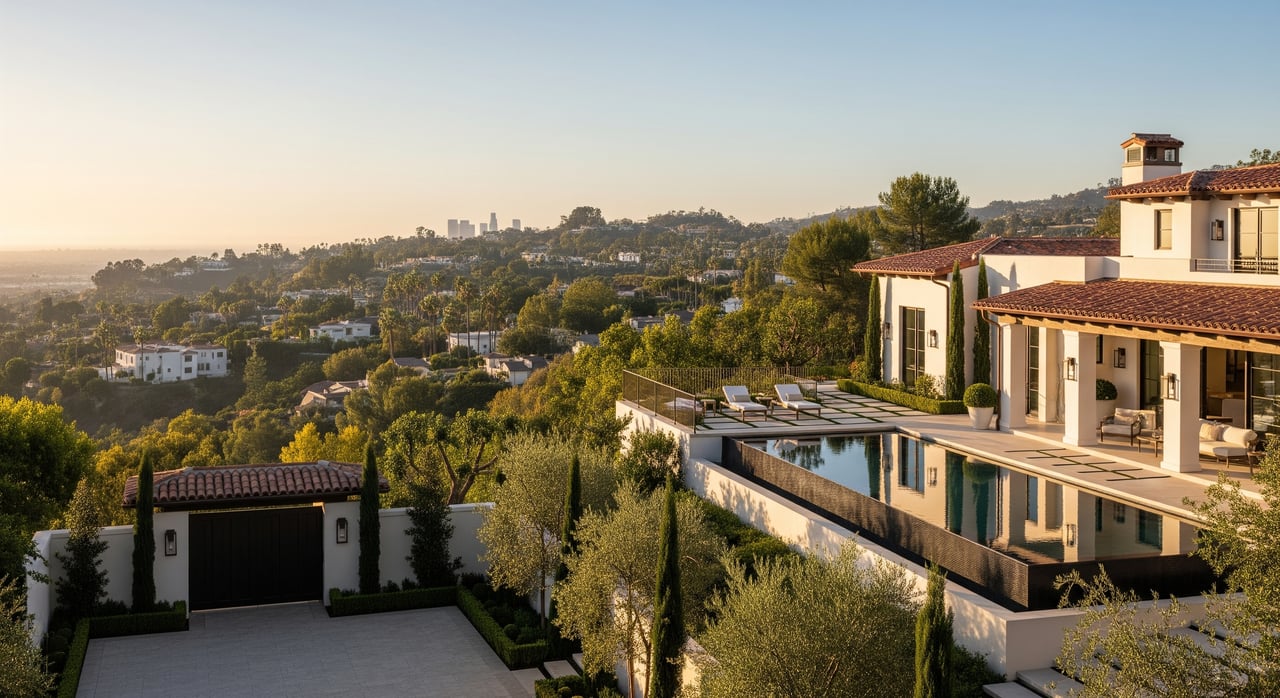
Beverly Hills grew up with Spanish Revival. Many prewar homes in the Beverly Hills Flats showcase this warm, romantic style.
What you will notice
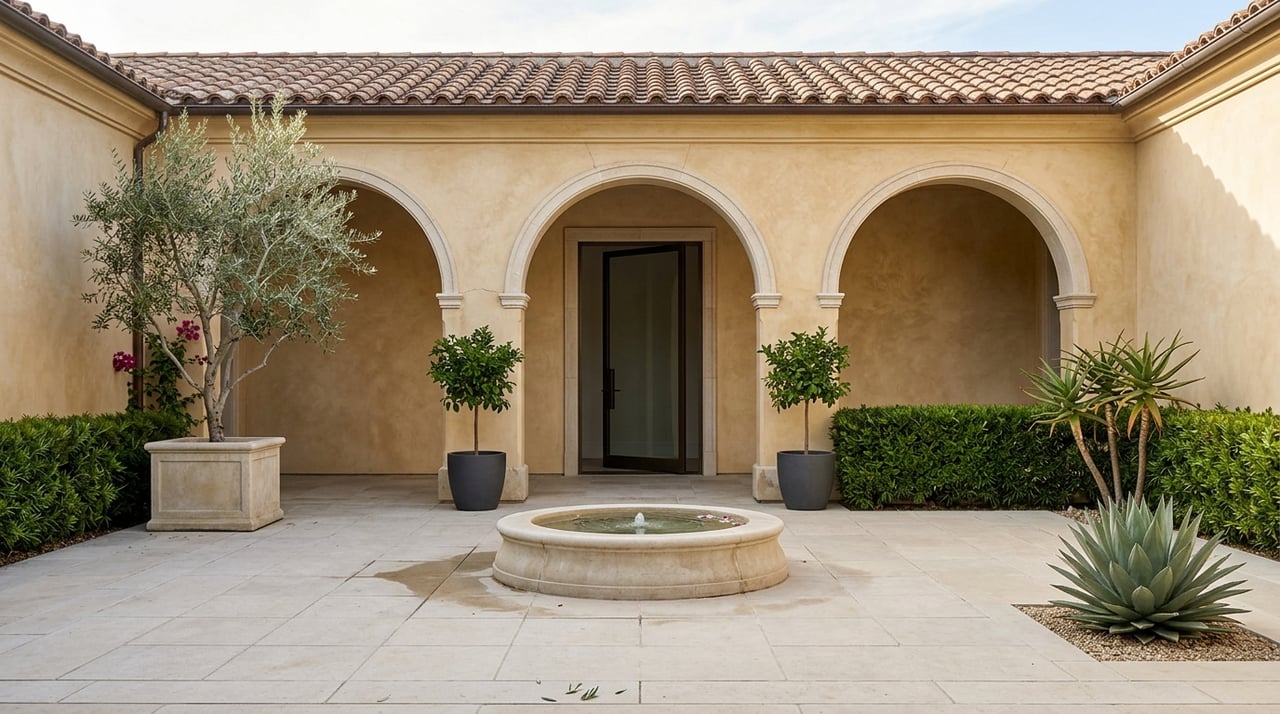
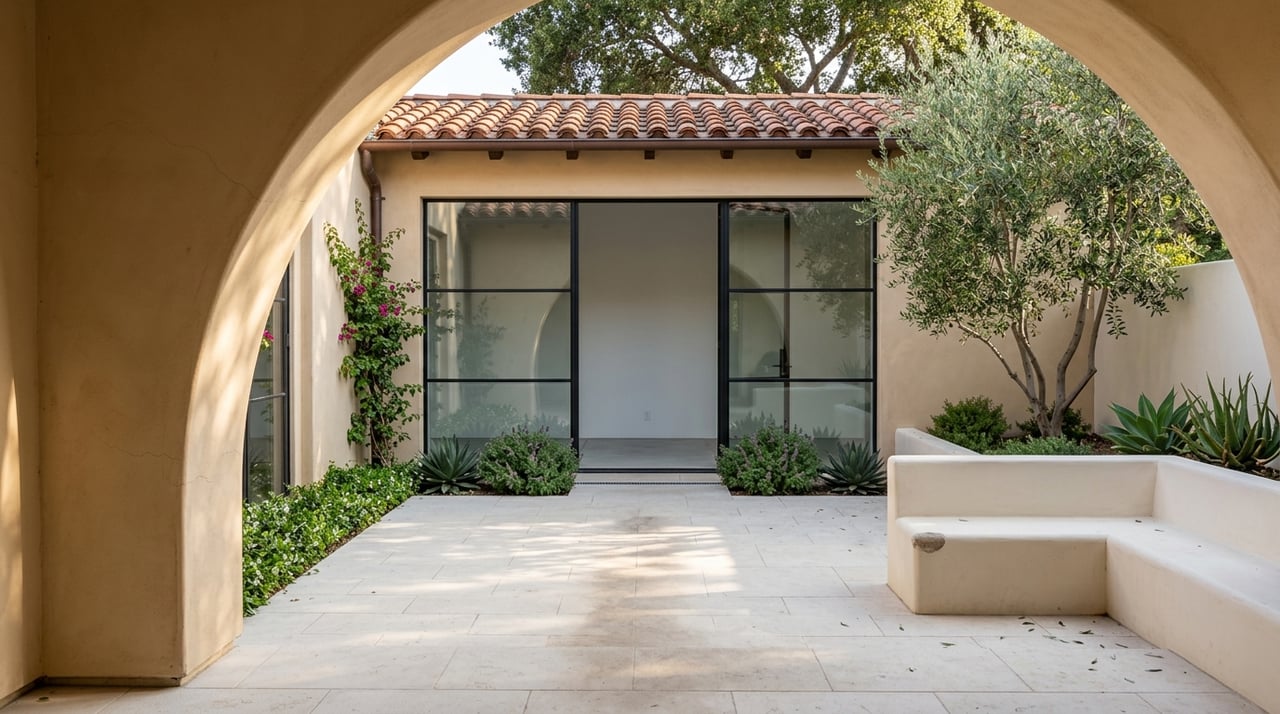
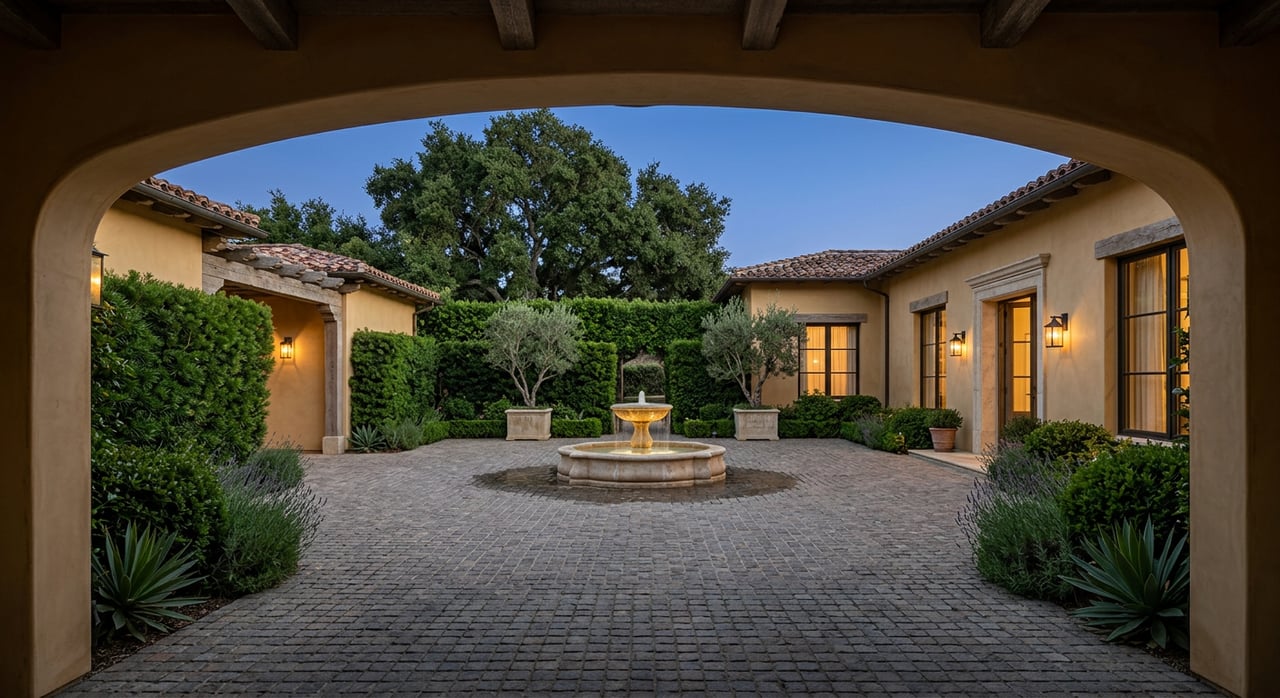
- Stucco walls and red clay barrel tile roofs
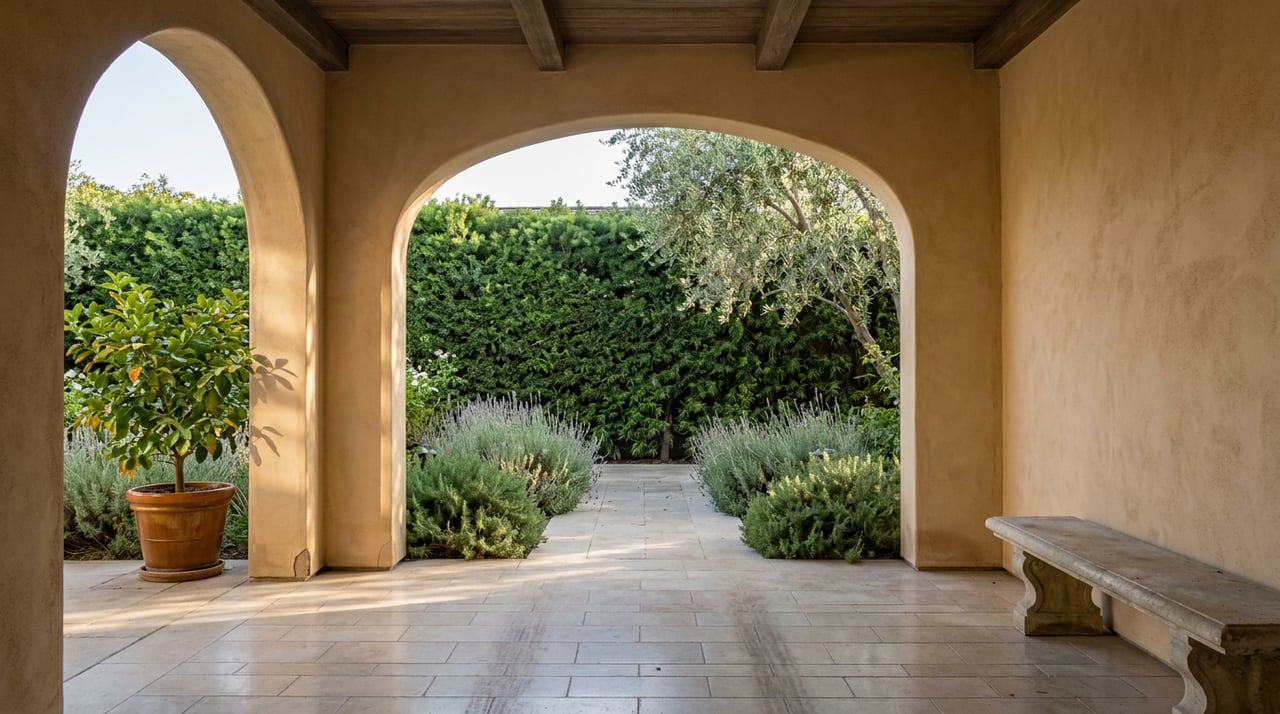
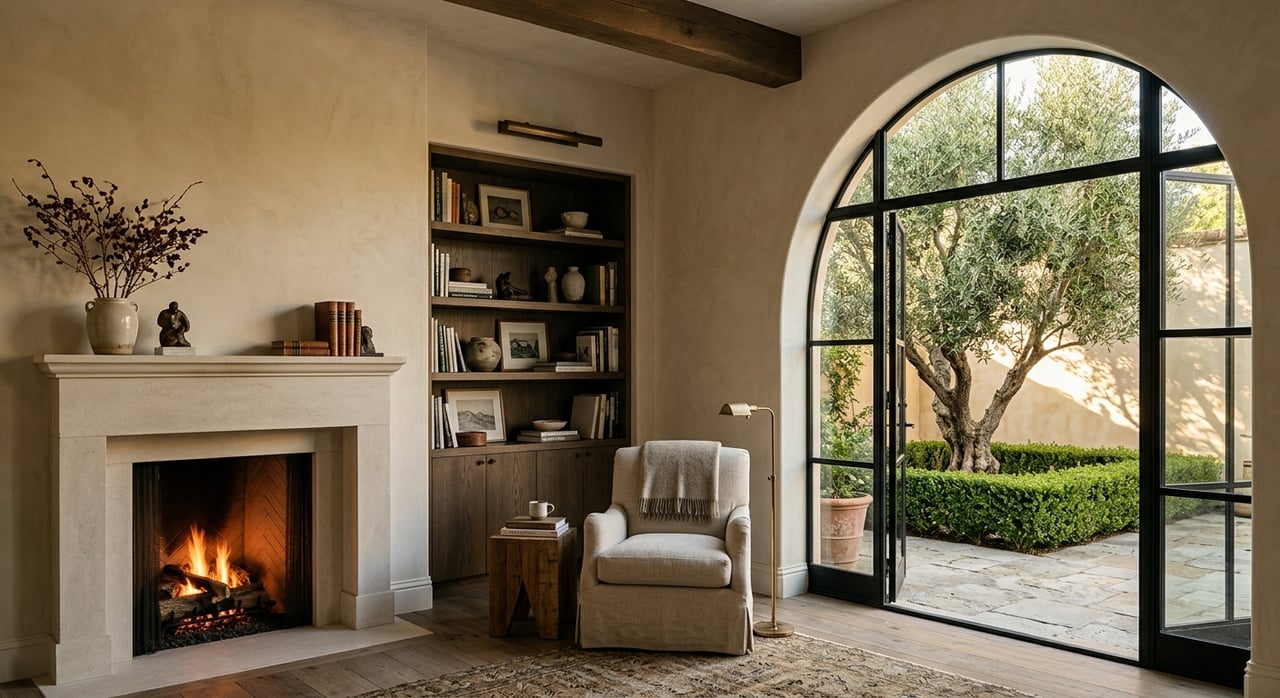
- Arched doorways and windows, sometimes arcades
- Carved wood doors, wrought iron grilles, and decorative tile
- Inward-facing courtyards and shaded loggias
Typical features
- Smooth or textured plaster, terracotta tile, exposed wood beams
- Tilework on stair risers and landings
- Casement or small-paned windows, often with shutters
- Courtyard plans that create private outdoor rooms
Local era and where
- Most common from the 1910s through the 1930s. You will see many examples in older blocks of the Beverly Hills Flats and scattered across adjacent neighborhoods.
Architects to know
- Wallace Neff is strongly associated with the Spanish Colonial tradition in Southern California.
Buyer value signals
- Original details like tilework, beams, and intact courtyard plans can support premium pricing.
- Inspect stucco and wood framing, and ask about electrical, plumbing, HVAC, and seismic upgrades.
- Courtyard orientation supports privacy but can mean a quieter street presence. Confirm that fits your lifestyle and entertaining needs.
Georgian and Colonial Revival
Often labeled “Georgian” in local listings, this is the formal, symmetrical counterpart to Spanish Revival.
What you will notice
- Balanced façades with a centered front door and classical detailing
- Multi-pane double-hung windows, often with shutters
- Brick, masonry, or painted wood exteriors with columns or pilasters
Typical features
- Central halls with formal living and dining rooms
- Classical moldings, paneling, and mantel details
- Brick or painted brick and stucco combinations
Local era and where
- Popular from the 1910s through the 1940s for upscale suburban houses. Many period estates appear on prestigious streets in the Flats and within private enclaves.
Architects to know
- Numerous revivalist architects worked in this vocabulary for custom homes during the early 20th century.
Buyer value signals
- Look for original millwork, well-kept proportions, and layouts that respect the formal plan.
- If you want an open kitchen and family area, ask how and when those were added, and verify permits and finals.
- Inspect brick and masonry maintenance, roof condition, and drainage.
Mid-Century Modern
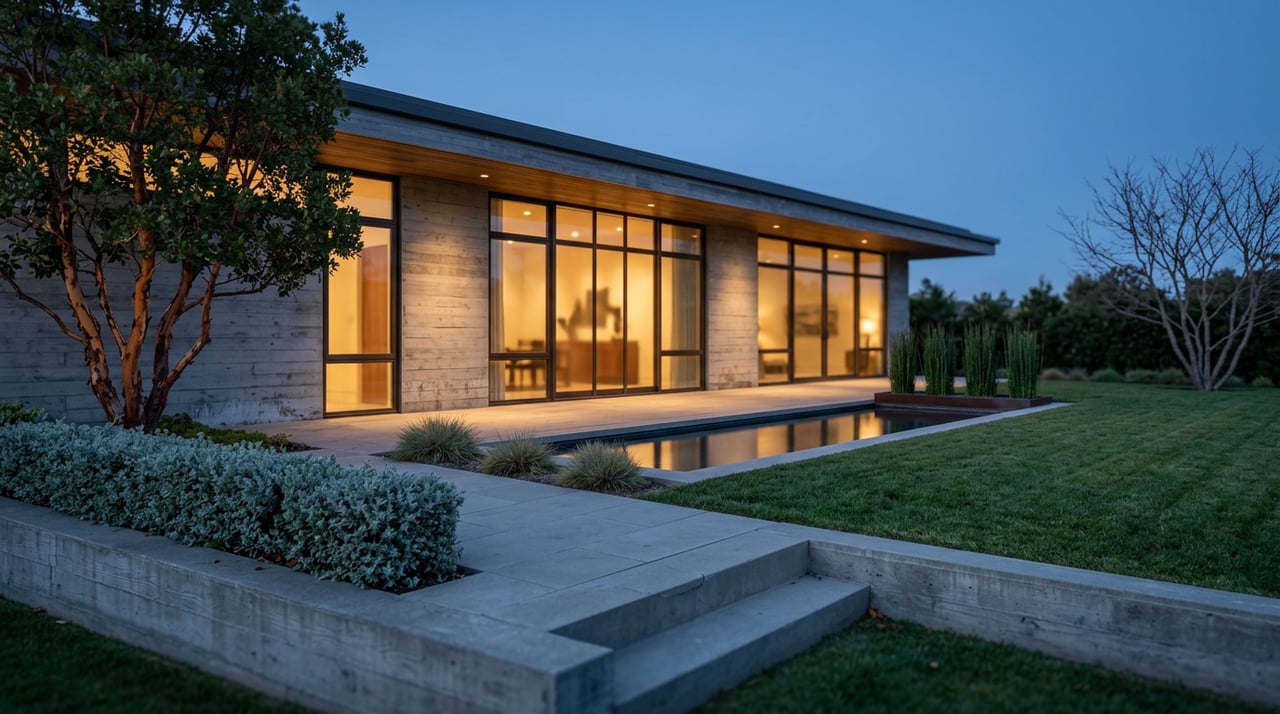
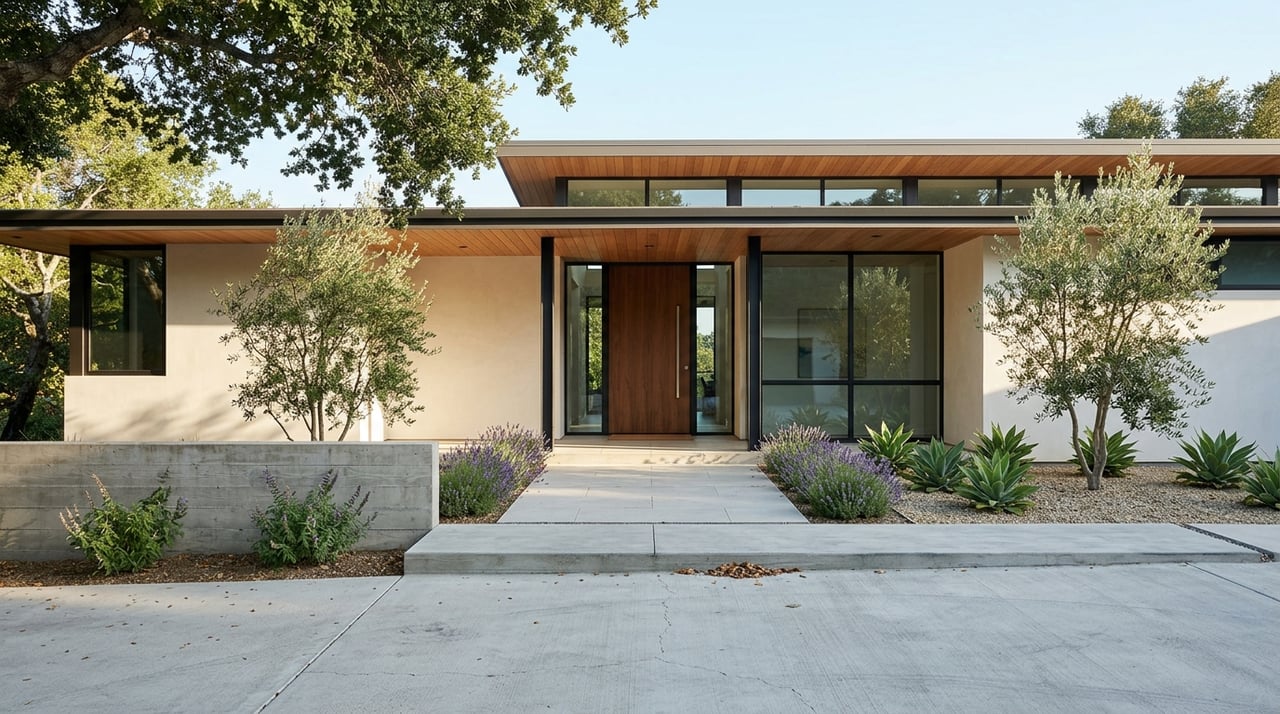
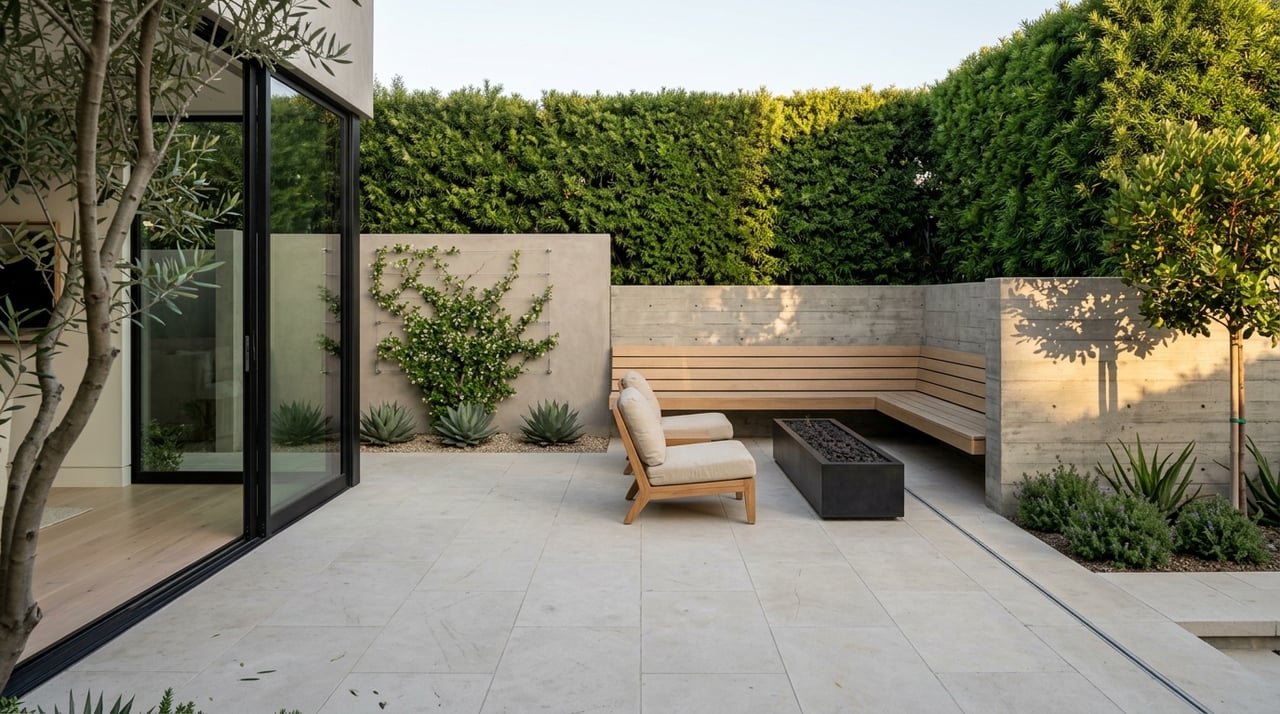
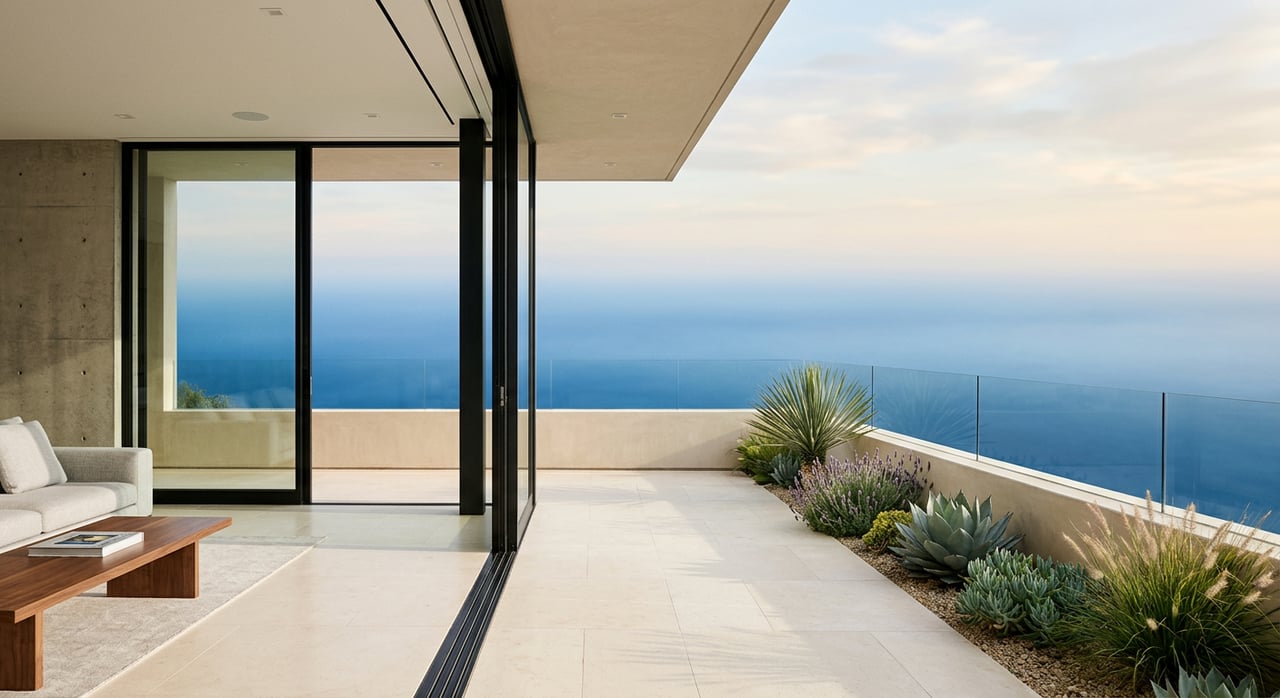
Postwar Los Angeles embraced modernism, and Beverly Hills has its share of glassy, low-slung mid-century homes.
What you will notice
- Flat or low-pitched roofs and strong horizontal lines
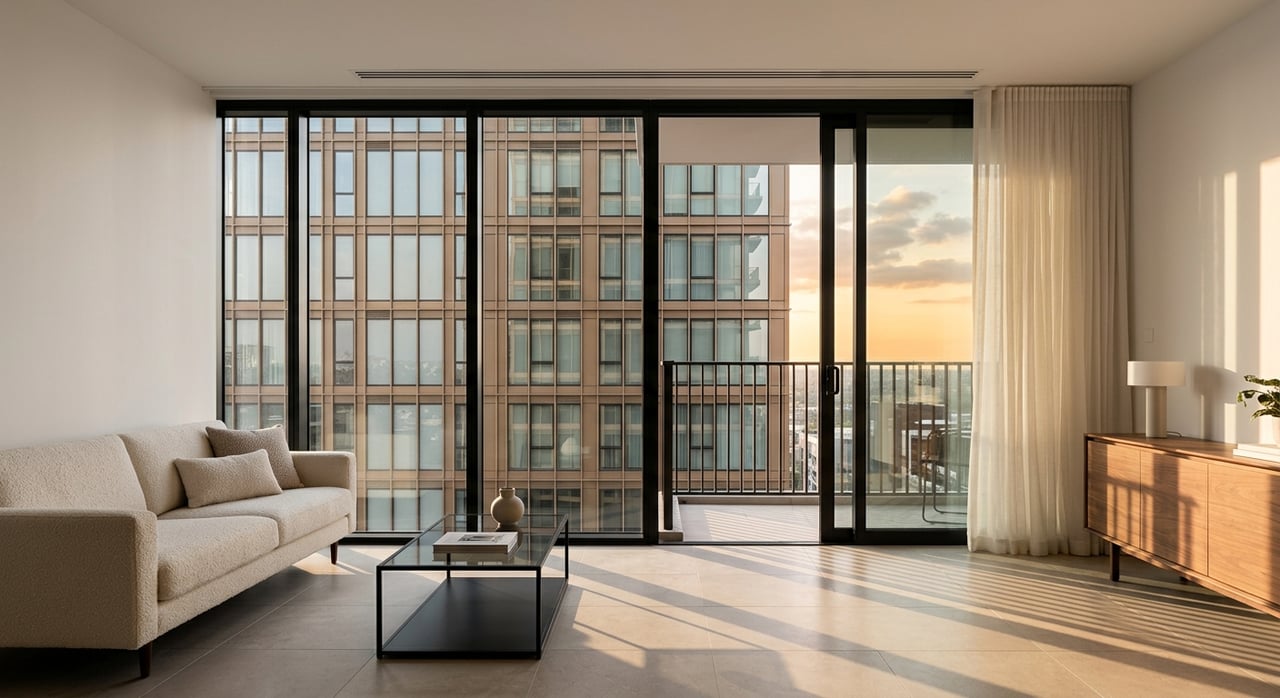
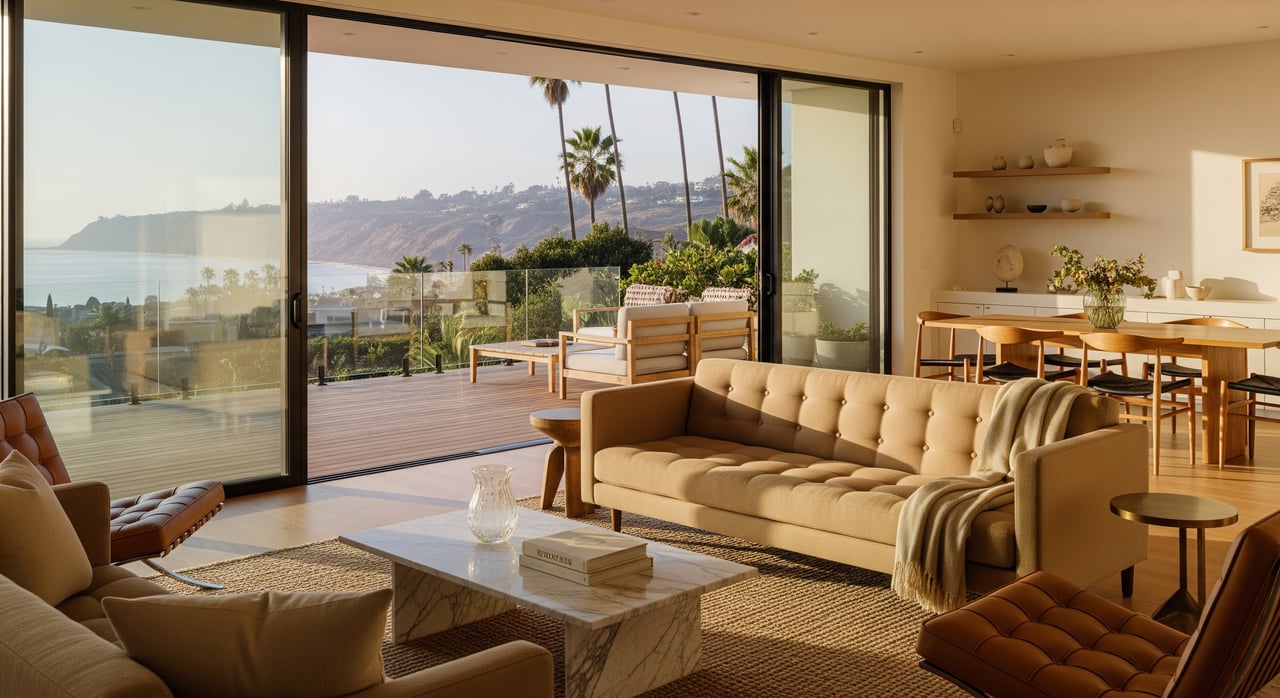
- Large glass walls and sliding doors that blend indoors and out
- Open plans, post-and-beam framing, and carports or integrated garages
Typical features
- Glass, wood, stone, and concrete accents
- Clerestory windows for light and privacy
- Single-level living on flat or gently sloped lots
Local era and where
- Late 1940s through the 1960s, with examples across Beverly Hills. Hillside neighborhoods show notable clusters, and Trousdale Estates is the signature enclave for this era.
Architects to know
- Regional modernists like Richard Neutra, Rudolph Schindler, A. Quincy Jones, and John Lautner shaped Los Angeles modernism. Local practitioners adapted the look for luxury commissions.
Buyer value signals
- Original glass walls and structural systems may need thermal upgrades or specialized glazing. Price those before you write.
- Authentic period details such as built-ins, hardware, and joinery can add collectible value. Over-renovation can erase that premium.
- Outdoor areas with flat lawns and pool terraces are strong value drivers.
Trousdale modernism
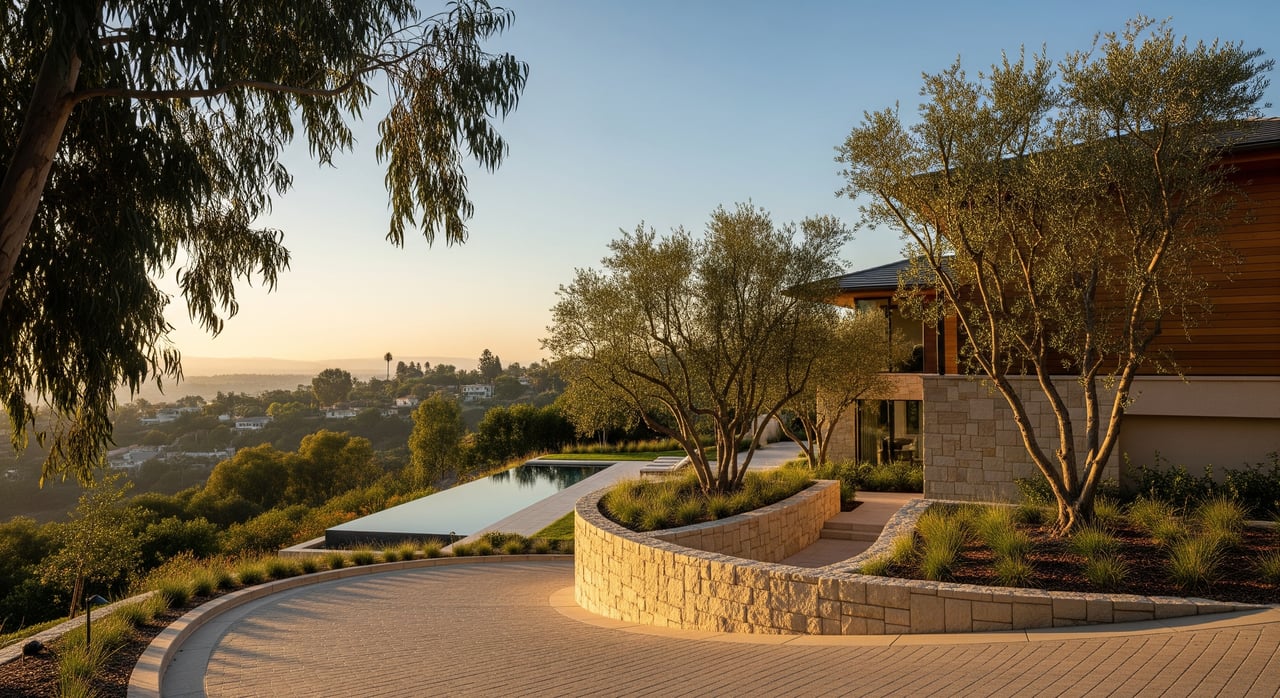
Trousdale Estates, developed by Paul Trousdale beginning in the mid-1950s, is Beverly Hills mid-century at its most refined. Homes here were designed for ridge-top lots and city or valley views.
What you will notice
- Long horizontals, flat roofs, and generous glass planes aimed at panoramic views
- Single-level, indoor to outdoor flow tailored for entertaining
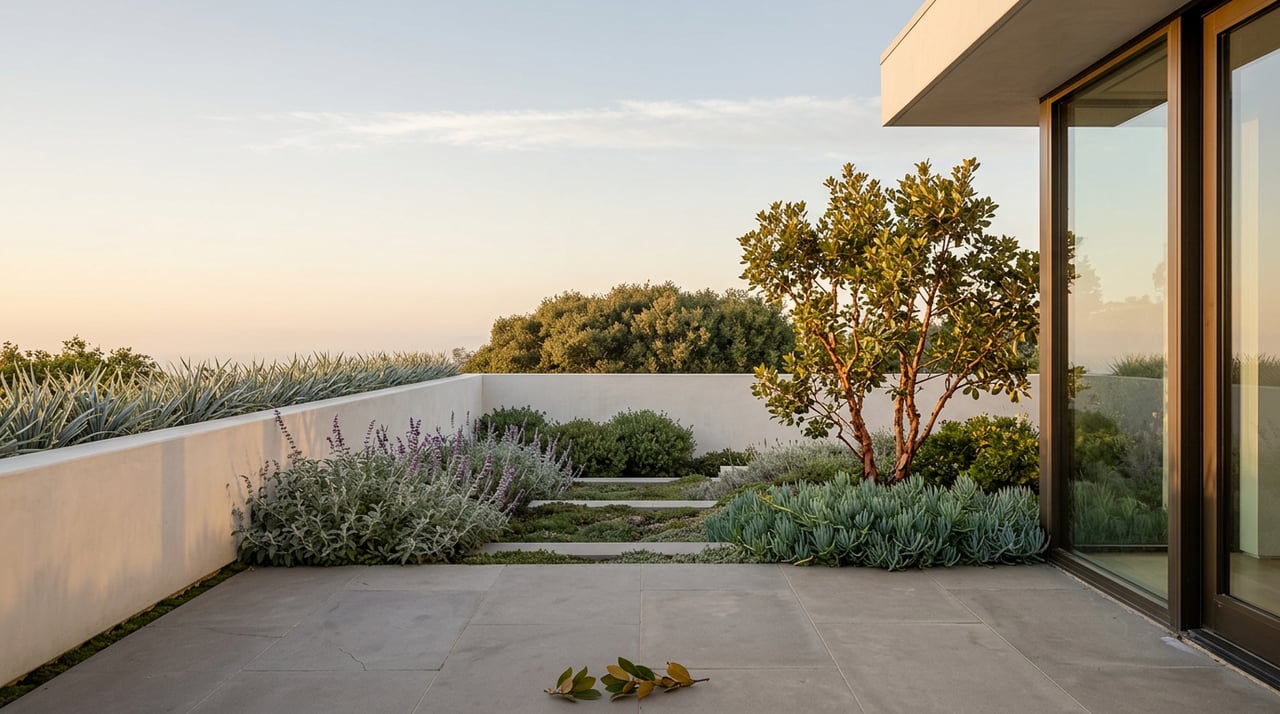
- Terraces, view pools, and discreet gated driveways
Typical features
- Stone, glass, wood, and steel palettes
- Expansive picture windows and large patios
- Carefully planned circulation that orients living areas to the view
Development context
- Trousdale Estates was planned as a luxury hillside subdivision in Beverly Hills. Multiple architects contributed custom designs, which created a cohesive yet varied modernist enclave.
Buyer value signals
- View orientation, driveway access, and lot topography often matter more than raw square footage.
- Design pedigree and intact mid-century elements can drive pricing and collector interest.
- Hillside issues are critical. Review grading, retaining walls, drainage, and all permitted alterations. Unpermitted work on slopes can complicate closings.
Contemporary
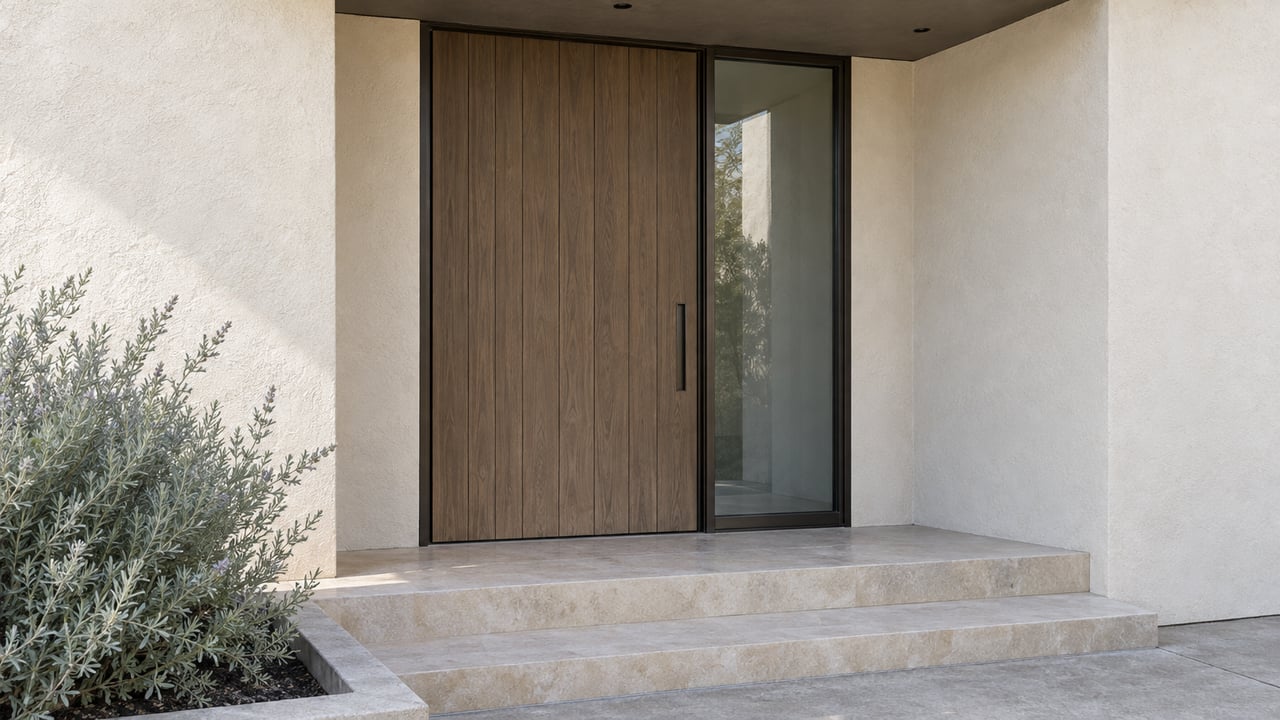
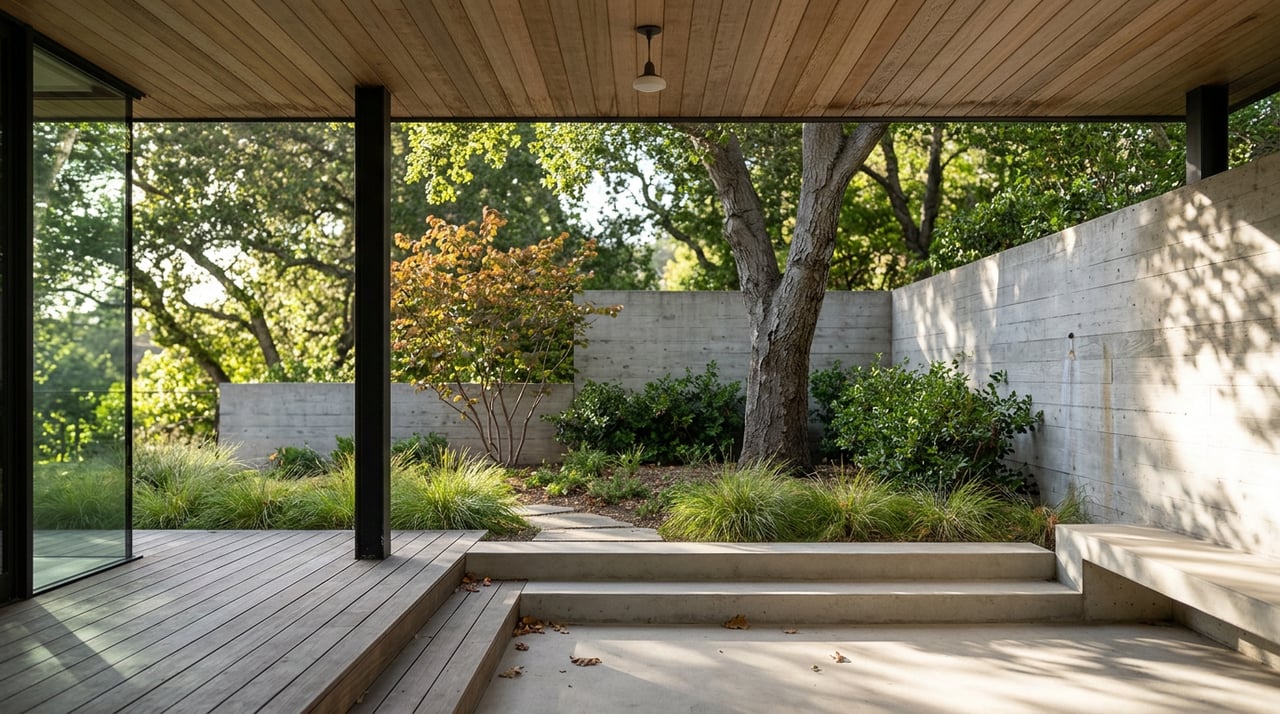
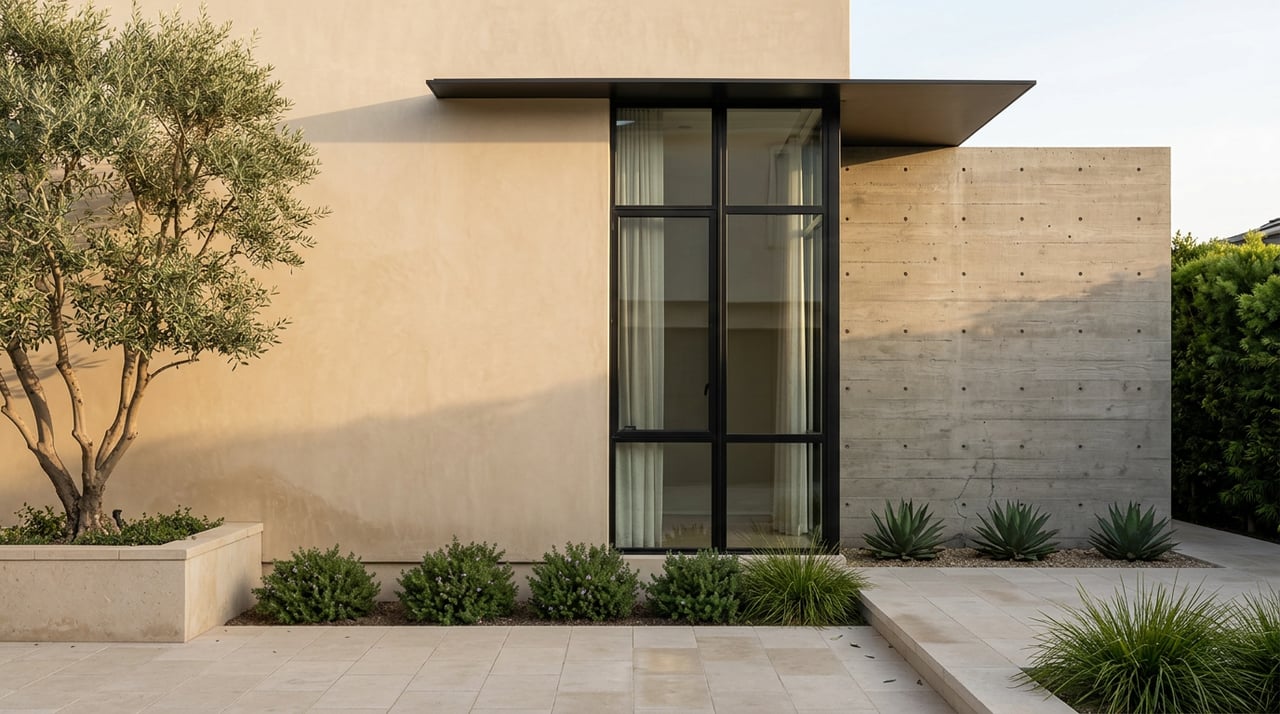
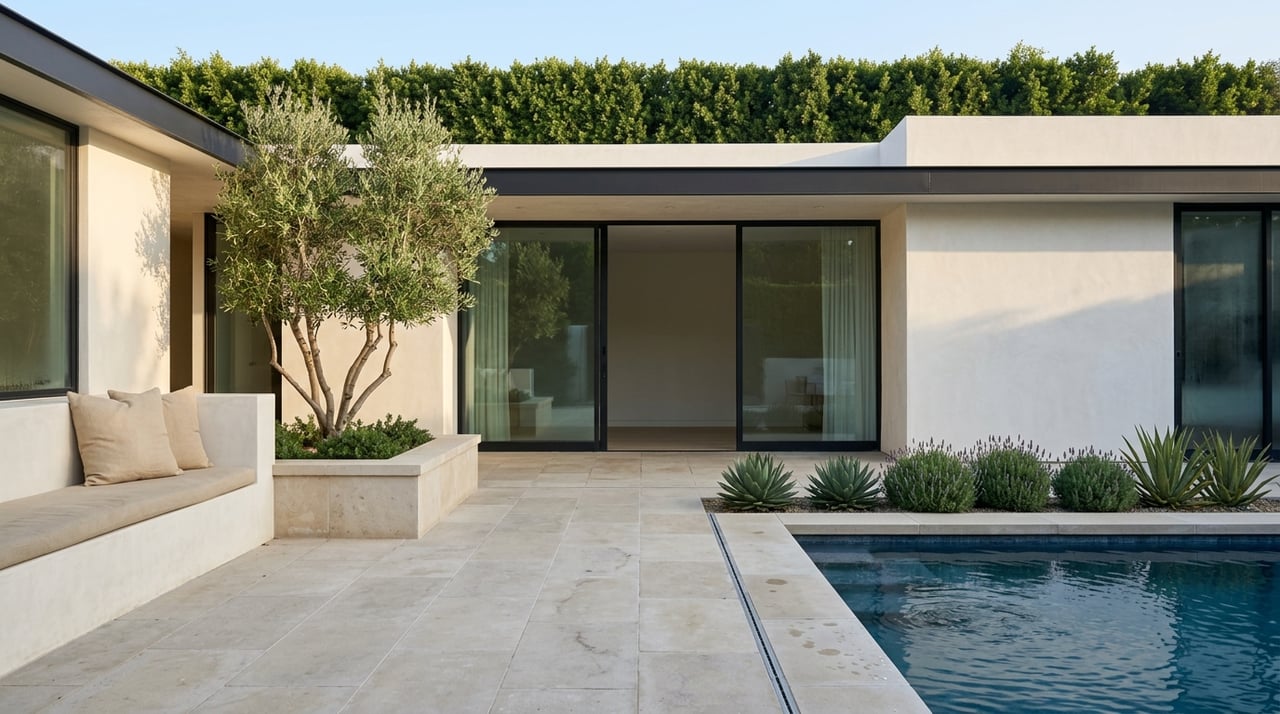
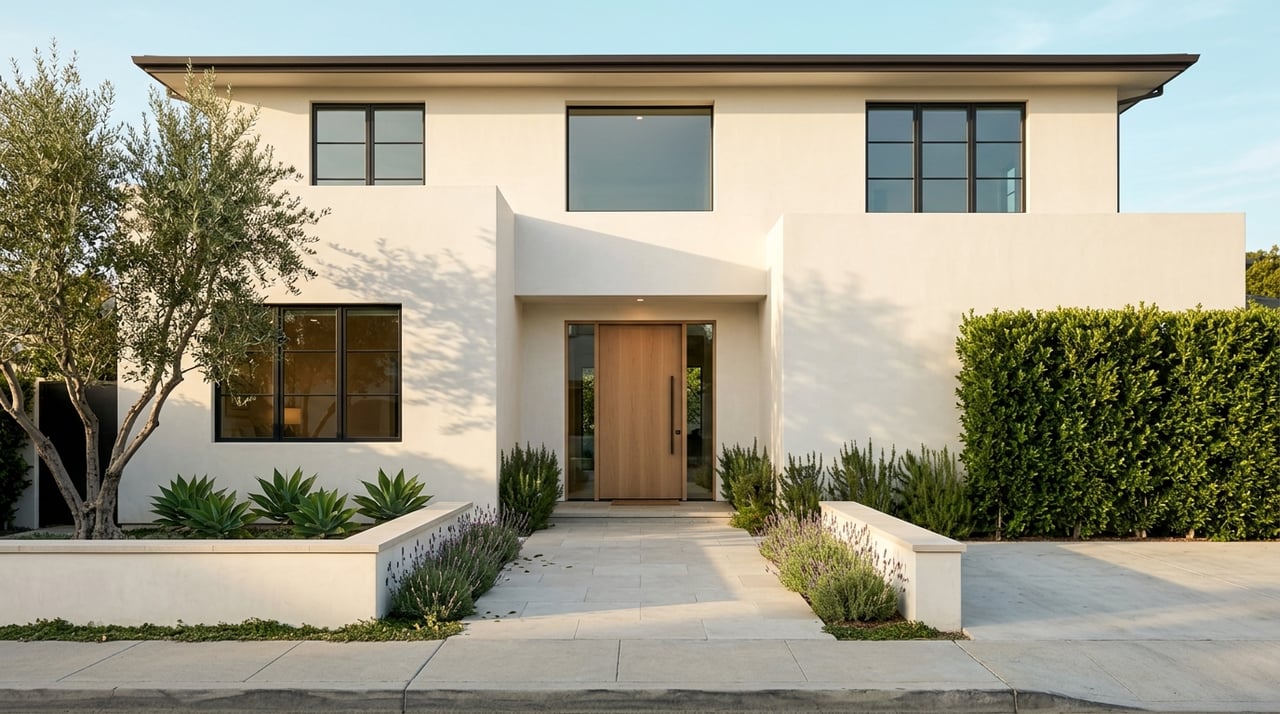
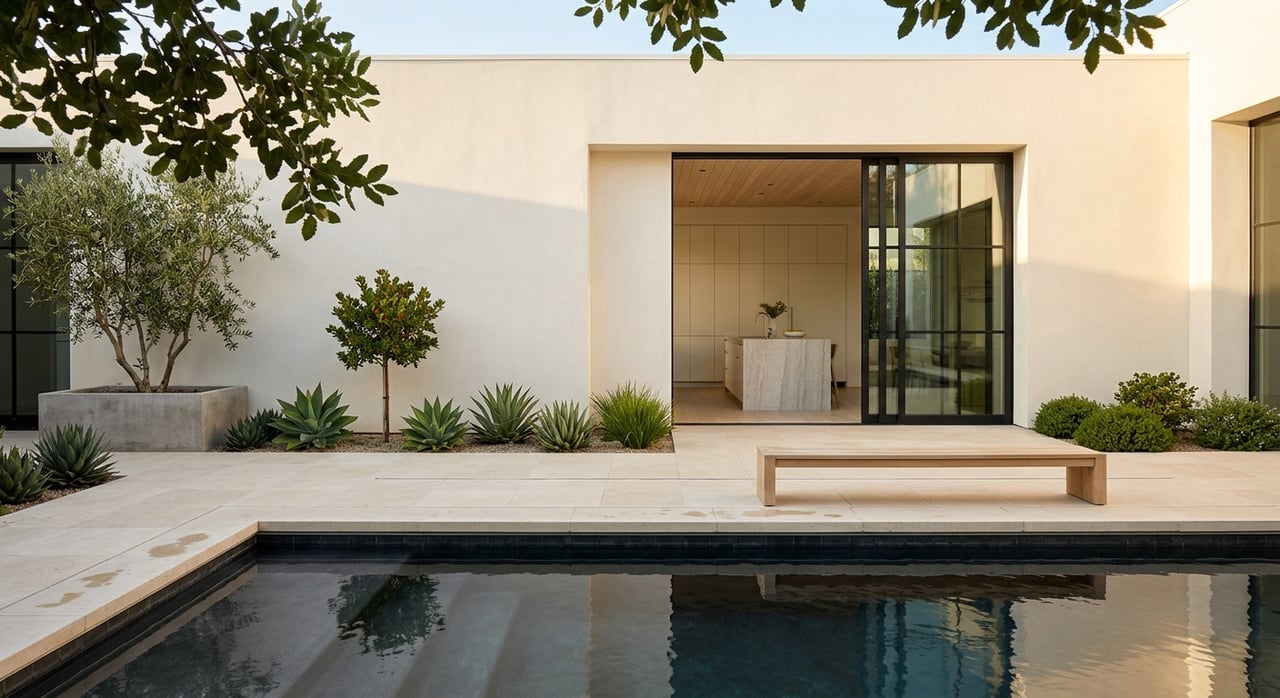
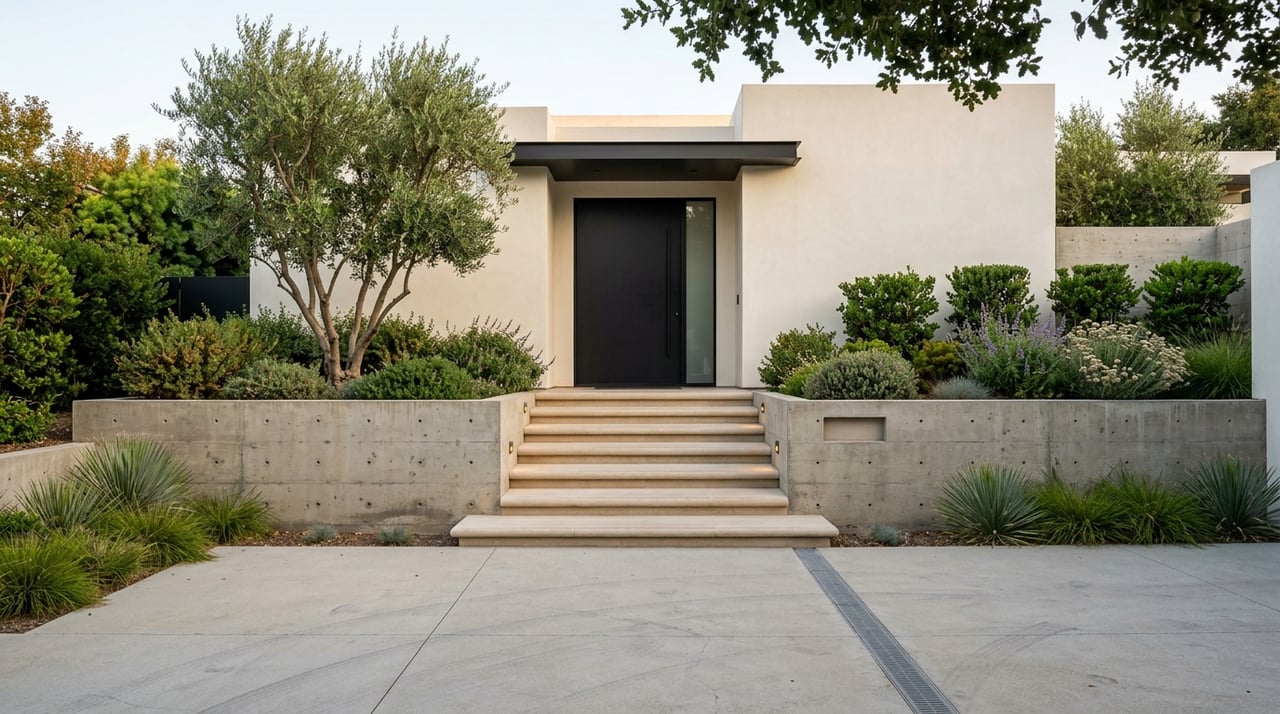
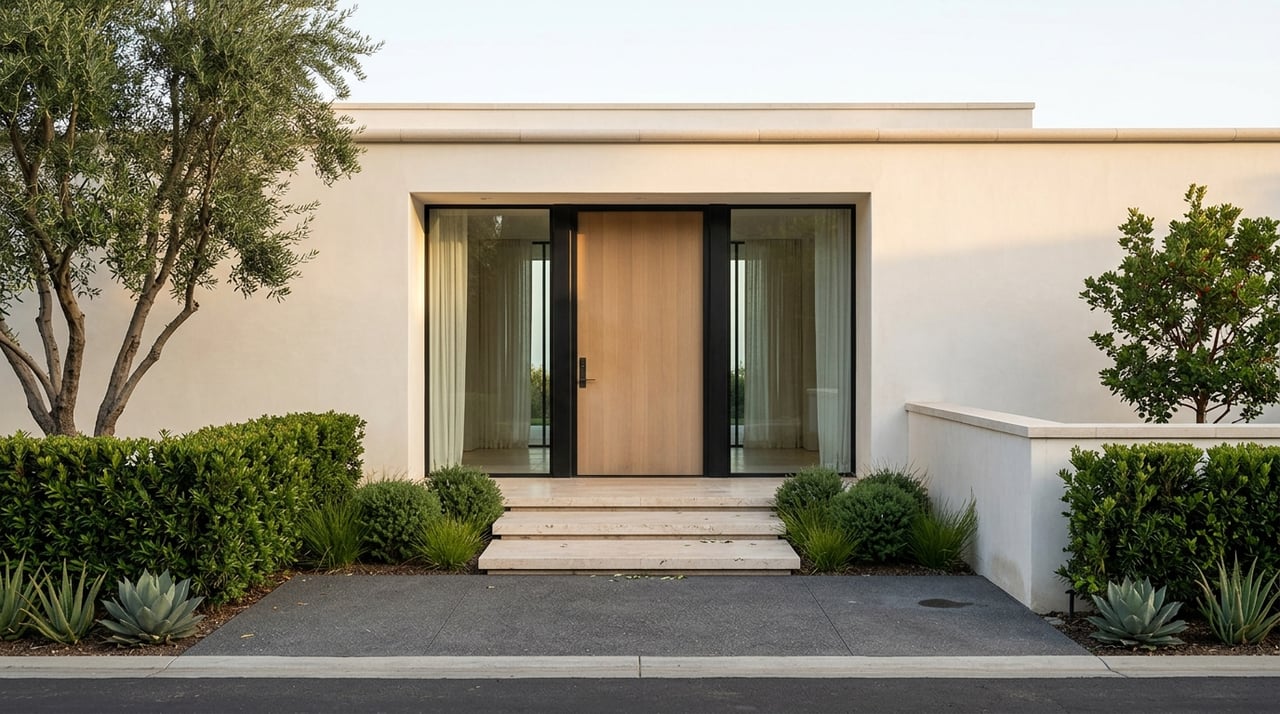
Contemporary homes define the current luxury market. Many older structures have been rebuilt to meet modern tastes and technology.
What you will notice
- Clean lines with minimalist or statement forms
- Large glazed façades with mixed cladding such as glass, steel, stucco, and exposed concrete
- Multi-level volumes with dramatic light and sightlines
Typical features
- Open, flexible floor plans that support modern living
- Smart-home systems, high-performance glazing, and energy features like solar
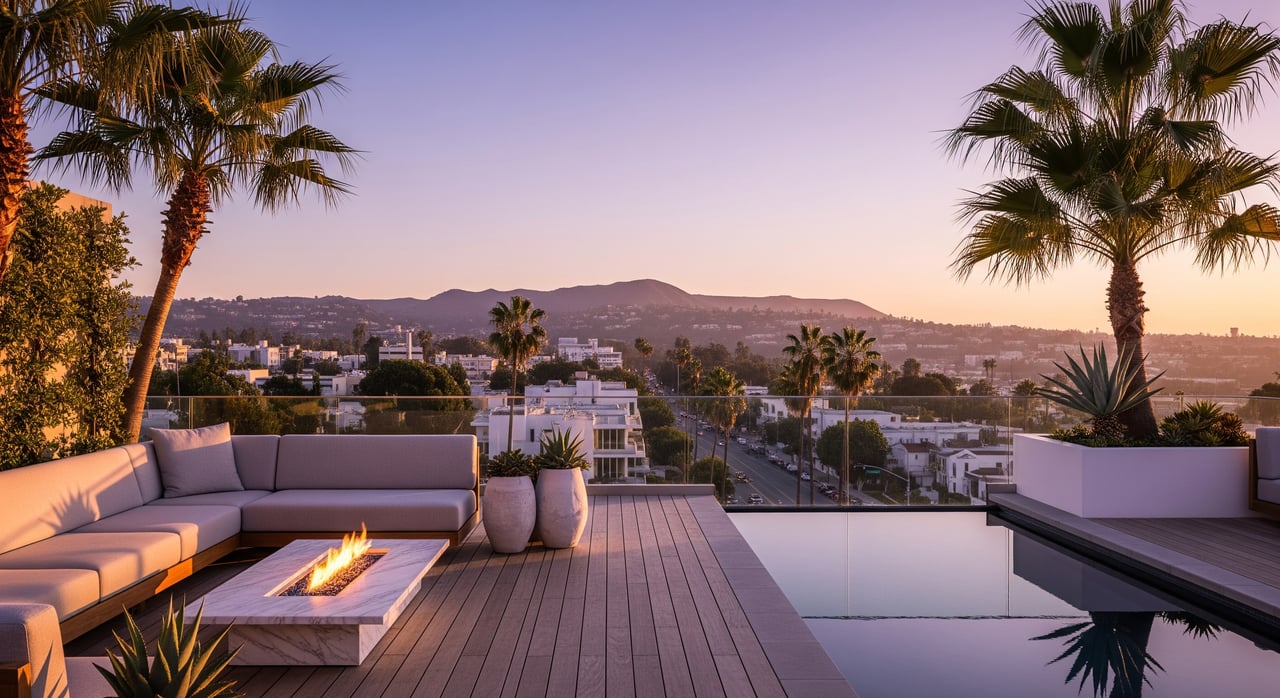
- Wellness amenities such as gym, spa, and rooftop terraces
Local era and where
- 1990s to present, with examples throughout Beverly Hills and in BHPO, where larger hillside lots encourage new construction.
Architects to know
- Numerous contemporary architects and high-end design firms operate in this space. Buyers often evaluate the firm’s portfolio and build quality.
Buyer value signals
- New construction can deliver up-to-date systems and code-compliant plans. Confirm that mechanical, energy, and safety systems are permitted and finaled.
- Quality of materials and craftsmanship strongly influences maintenance costs and resale appeal.
- Large rebuilds may be highly personal. Consider market tastes and neighborhood context before you commit.
Beyond style: what drives value
Style is the first impression, but the strongest value drivers are often universal. Lot size and usability, privacy, and view orientation typically weigh more than a specific aesthetic. In hillside areas, access, driveway design, and practical parking can shape daily use and resale.
Architectural pedigree can add a tangible premium when the original design intent remains intact. Documented architect attribution and preserved details matter for collectors and press interest. For a broader buyer pool, tasteful updates that improve flow and function can be just as compelling.
Your best approach is to match style to lifestyle, then weigh lot, context, and condition. That blend keeps your shortlist sharp and your long-term value goals in focus.
Showing and due diligence checklist
Use this quick checklist to stay focused during tours and negotiations.
Questions to ask
- What is the year built and full remodel history? Request permits and certificates of occupancy for major work.
- Who was the architect or builder, and are original plans available?
- Are there known structural, hillside, drainage, seismic, or termite issues? Have there been foundation or retaining wall repairs?
- Is there a historic designation or cultural-heritage review that affects exterior changes?
- What is the age and performance of major systems, including HVAC, roof, electrical panels, plumbing, and glazing?
Inspection focus by style
- Spanish Revival and Georgian
- Roof tiles or shingles, stucco condition, rot and termite risk, plumbing and electrical updates, and the condition of historic millwork.
- Mid-Century and Trousdale
- Glazing and thermal performance, post-and-beam structure, moisture at glass and roof junctions, original mechanicals, and any asbestos in older finishes.
- Contemporary
- Professional installation of smart systems and mechanicals, permit records, and warranty coverage.
Permitting and records
- Verify all significant alterations with the City of Beverly Hills Building and Safety, or Los Angeles County for BHPO. Confirm finals for additions, pools, grading, and landscape work.
- Unpermitted construction can delay closing or require remediation. Address early in the process.
Appraisal and resale
- Authenticity can command a premium for enthusiasts. Broad market appeal often favors high-quality updates that improve day-to-day use.
- Consider your resale horizon and target buyer profile, especially with highly stylized properties.
When you are ready to tour with a focused plan, connect with a senior-led team that blends market strategy with architectural literacy. For discreet advice and a curated path to the right home, reach out to Steve Frankel.
FAQs
What styles are most common in Beverly Hills?
- Prewar Spanish Revival and Georgian in the Flats, mid-century modern and Trousdale homes in specific enclaves, and contemporary rebuilds across the luxury market.
How much does an architect’s name matter in Beverly Hills?
- It can add value when well documented, but lot, views, layout, and condition often drive most buyers’ decisions.
Do historic designations restrict renovations in Beverly Hills?
- Yes, designated properties may require review or face limits. Check with the City of Beverly Hills Cultural Heritage Commission early.
What red flags should buyers watch in hillside or modern homes?
- Unpermitted additions, retaining wall or drainage issues, moisture at large glass systems, aging mechanicals, and potential asbestos in older finishes.