Thinking about selling your Pacific Palisades home and wondering if offering it furnished will help you net more? You are not alone. In a market where design, views, privacy, and effortless living matter, presentation can shape your outcome. This guide breaks down when selling furnished adds value, when staging is smarter, and how to handle pricing, contracts, insurance, and logistics with confidence. Let’s dive in.
What “sell furnished” really means
Selling furnished means you offer some or all of your freestanding furniture as part of the sale. Built-ins and fixtures typically transfer with the property, but sofas, rugs, dining sets, lamps, and art are personal property. If you include them, you will document those items, agree on values, and note any exclusions.
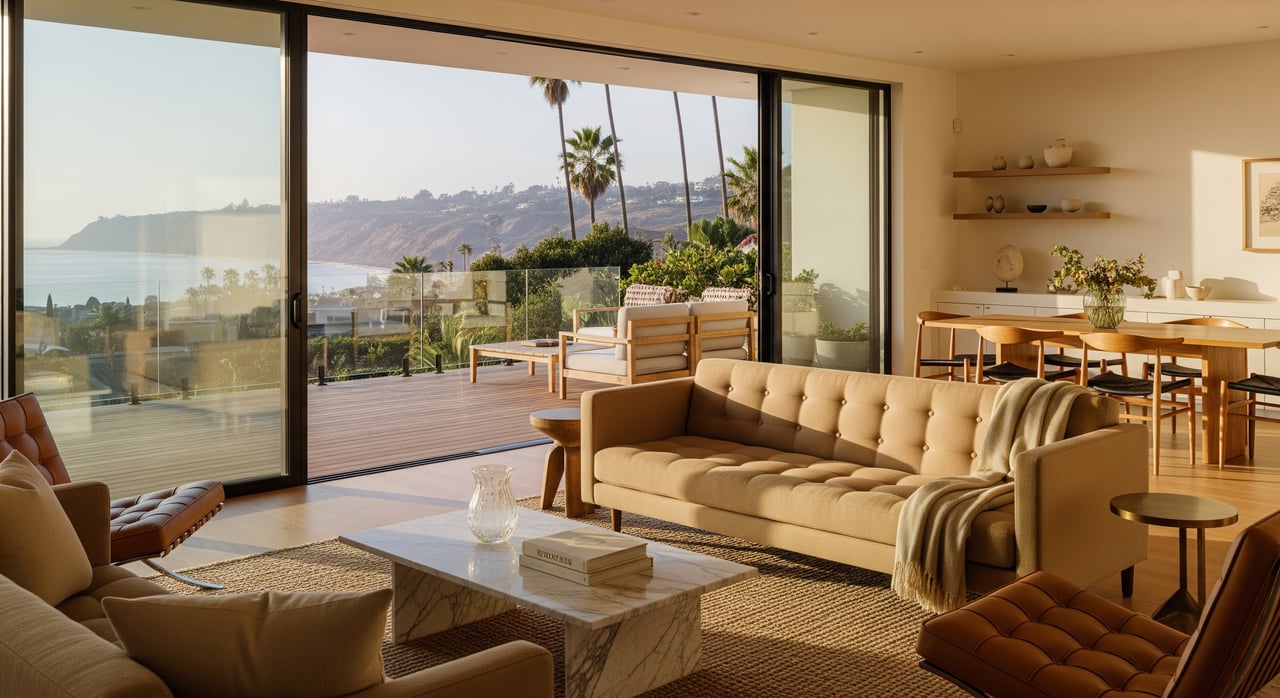
In Pacific Palisades, buyers expect homes that feel move-in ready. A curated, turnkey presentation can help buyers see the lifestyle your property delivers. The key is alignment between your home’s architecture and the quality of the furnishings you include.
Who buys in the Palisades
The local buyer pool often includes affluent families, downsizers, entertainment and tech executives, and a notable number of second-home buyers. Many prioritize design, indoor-outdoor flow, privacy, and easy living. For these buyers, turnkey can be a strong advantage when it is done with taste and quality.
At the same time, many high-end buyers bring their own collections. If your furniture feels highly personal or mismatched, professional staging usually outperforms a furnished offering.
When furnished adds value
New spec or model homes
Developers often furnish model homes to demonstrate scale and lifestyle. If your property is new construction, a complete, design-consistent setup can shorten days on market and support stronger pricing. Buyers respond to cohesive design when it matches the architecture.
Designer-built or architect-led homes
If your furniture is custom or integrated with the design intent, including it can preserve the narrative and perceived value. Think bespoke millwork, tailored pieces, and fabrics chosen specifically for the space. Buyers paying for an architecturally significant home may want the complete experience.
Turnkey second homes
Second-home buyers, particularly out-of-area purchasers, often want immediate ease. Offering furnishings can make the decision faster and even command a premium if the items are high quality and well curated.
Investor purchases with a furnished use case
Some investors value furnished properties, especially where furnished rentals are viable. Always confirm current City of Los Angeles rules and local norms before marketing any short-term rental potential.
When staging is the better move
Owner-occupied homes with personal style
If your décor feels very specific to you, it may limit buyer imagination. Neutral, professional staging generally widens appeal, highlights volume and flow, and reduces friction in negotiations.
Low-quality or mismatched furniture
Sub-par pieces can depress the perceived value of a luxury home. In these cases, remove and stage or consider a hybrid approach that pairs a few strong pieces with supplemental staging.
Buyers who prefer their own collections
Many Palisades buyers arrive with art and furniture already planned. For these clients, including furniture can complicate the deal without adding value. Keep the path clean by staging and focusing on the property itself.
Pricing and appraisal realities
Appraisals focus on the real property, not freestanding furniture. Personal property generally does not count toward appraised value. If you include furniture in the purchase price, you should itemize it in an addendum with agreed values. Lenders often underwrite the home separate from personal property, so financed buyers may need allocations that keep furniture outside the valuation for the mortgage.
For cash buyers, including furniture is simpler. Still, document values and transfer terms. If the property is an investment, the allocation between real property and personal property can affect tax treatment. Consult a CPA for guidance on depreciation and potential recapture.
Contract and inventory essentials
Use a furniture inventory addendum to avoid confusion and post-closing disputes. At minimum, include:
- A detailed list of included items with condition and agreed values.
- A list of excluded items. Be clear about artwork, collectibles, or heirlooms.
- Transfer timing, such as at closing or post-closing possession.
- Insurance responsibility before closing and during any interim occupancy.
- A clear distinction between fixtures that convey and personal property that does not.
For high-value art or collectibles, provide provenance or third-party appraisals. If art will be removed, specify professional packing and handling standards.
Insurance, liability, and taxes
Confirm your homeowner’s insurance covers showings and open houses for both liability and theft. For valuable furniture, rugs, or art, consider scheduled personal property coverage. If anyone occupies or uses the home pre-closing, address liability and property coverage in writing.
In California, the real estate itself is not subject to sales tax. Separate sales of tangible personal property could be, depending on how you allocate and bill. Work with a CPA to understand how to structure allocations and any reporting requirements. For investment properties, allocations can influence depreciation and tax outcomes.
Presentation strategies that work
Professional neutral staging
- Pros: Broad appeal, clean lines, and modern look. Aims buyer attention at the space and finishes. Set up and removal are handled for you.
- Cons: Ongoing rental cost and items do not transfer.
Fully furnished listing
- Pros: Strong appeal for second-home or out-of-area buyers. Can create emotional impact and a turnkey story.
- Cons: Narrows your buyer pool. Requires meticulous documentation and may add tax and insurance complexity.
Hybrid approach
- Pros: Keep a few high-impact, architecturally aligned pieces and layer in staging for balance. This often delivers the best of both worlds.
- Cons: Requires editorial judgment and coordination to feel cohesive.
Logistics checklist for furnished offerings
- Inventory every included item with date-stamped photos.
- Obtain written appraisals for high-value pieces.
- Add or confirm insurance coverage for showings and transit.
- Decide whether your list price includes furniture or if furniture is offered separately or as a credit.
- Prepare the inventory addendum and exclusion list in advance.
- Line up professional movers, art handlers, and storage if you plan to keep certain items.
- Capture high-quality photography that shows the furniture and lifestyle without clutter.
Cost-benefit lens for your decision
Review real costs against expected benefits so you can decide with clarity.
Costs to consider:
- Moving and storage if you remove items.
- Appraisal and insurance for valuable pieces.
- Staging rental fees if you opt to stage.
- Potential liability of showing personal property.
Potential benefits:
- Shorter time on market through stronger emotional pull.
- A price premium for a truly turnkey, design-consistent home.
- Less work for out-of-area buyers who want immediate usability.
Work with your agent to compare similar Palisades sales and developer outcomes for furnished presentations versus staging. Estimate a likely reduction in days on market and any pricing lift, then weigh that against your carrying costs and complexity tolerance.
Who to involve and when
- Listing agent with Pacific Palisades luxury experience to shape strategy and comps.
- Real estate attorney to fine-tune contract language and personal property allocations.
- CPA or tax advisor to guide allocations, depreciation, and sales tax questions.
- Professional stager or designer to assess staging versus hybrid options.
- Appraiser for high-value furnishings and negotiation support.
- Insurance broker to confirm coverage during showings and transit.
- Specialty mover and art handler to protect value and avoid damage.
A simple decision framework
Ask yourself these questions:
- Does my furniture elevate the architecture and lifestyle story, or would neutral staging show better?
- Is my likely buyer a second-home or out-of-area buyer who values turnkey?
- Will including furniture complicate financing or negotiations for most of my buyer pool?
- Do the likely benefits outweigh the costs, logistics, and any tax considerations?
- Can I document and insure everything cleanly from listing to closing?
If you answer yes to the first two and feel confident about documentation, insurance, and tax planning, a furnished or hybrid strategy can be compelling. If not, staging is often the cleaner, more marketable path.
Final thoughts
In Pacific Palisades, furnished listings work best when the furniture is design-forward, consistent with the architecture, and aligned with a turnkey buyer. If the pieces are highly personal or do not match the home’s character, neutral staging usually delivers broader appeal and fewer complications. The right call starts with your property’s strengths, your buyer profile, and a precise plan for pricing, inventory, insurance, and transfer.
If you would like senior-level guidance on which path gives you the strongest outcome, connect with Steve Frankel for a confidential strategy session.
FAQs
Should I sell my Pacific Palisades home furnished?
- It depends on your buyer profile and furniture quality; turnkey can add value for second-home or design-driven buyers, while neutral staging often wins for broader appeal.
How does furniture impact appraisal and financing in Los Angeles?
- Appraisals focus on real property and usually exclude personal property; lenders often underwrite the home value separate from furniture, so itemize furnishings in an addendum.
What is the difference between fixtures and personal property in a sale?
- Fixtures and built-ins typically convey with the home; freestanding items like sofas, rugs, and art are personal property and should be listed separately if included.
How do I price furniture included with a Pacific Palisades home?
- Use an inventory addendum with agreed values, supported by appraisals for high-value items; decide whether furniture is included in the list price or offered as a separate credit.
What should I know about insurance and liability when showing furnished?
- Confirm coverage for showings and open houses, schedule high-value items, and specify who is responsible for insurance before closing and during any interim occupancy.
Are there local rules that affect furnished rentals in the Palisades?
- Yes, the City of Los Angeles has short-term rental rules and enforcement; confirm current regulations before marketing furnished rental potential to investors.