Torn between the energy of the Beverly Hills Flats and the seclusion of hillside estates? You are not alone. Both settings offer world-class living, but the day-to-day experience feels very different. In this guide, you will learn how the Flats compare to the Hills on lifestyle, access, architecture, risk, and resale so you can decide with confidence. Let’s dive in.
What the Flats and Hills Mean
Where the Flats are
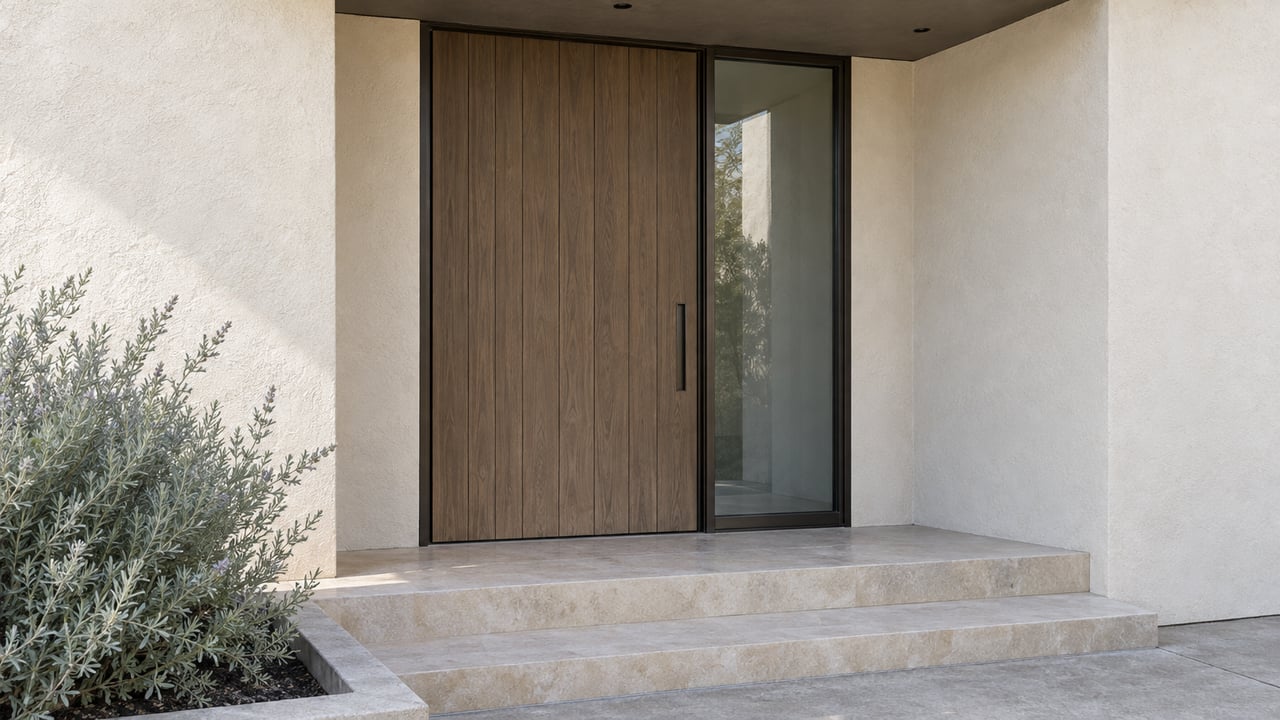
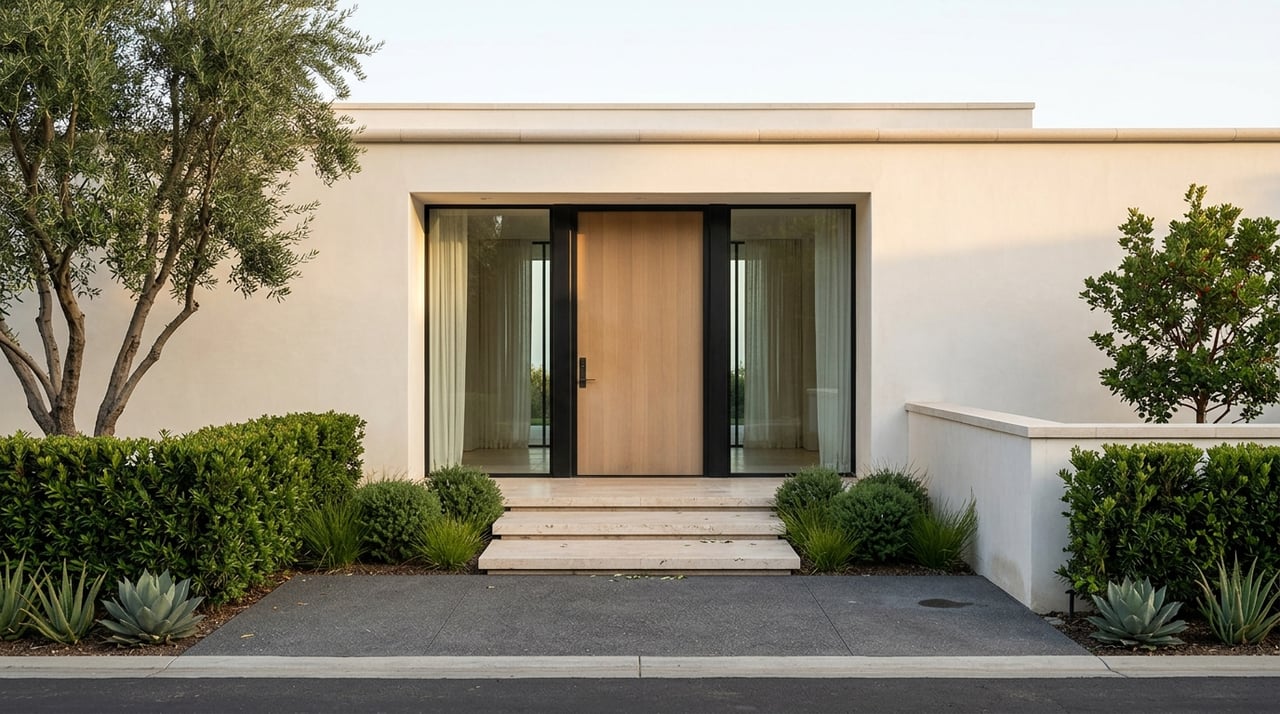
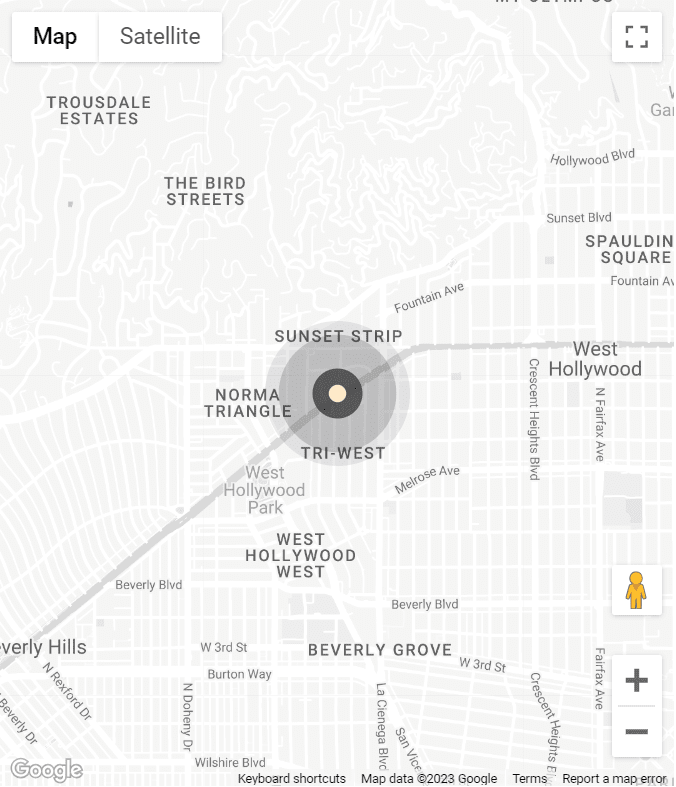
The Flats are the relatively level, central neighborhoods of Beverly Hills. They include the commercial and residential core around the Golden Triangle and Rodeo Drive, plus the neighborhoods south of Santa Monica Boulevard and generally between Wilshire Boulevard and Sunset Boulevard. You will find walkable retail corridors, traditional single-family homes on moderate lots, and many historic properties.
Where the hillside estates are
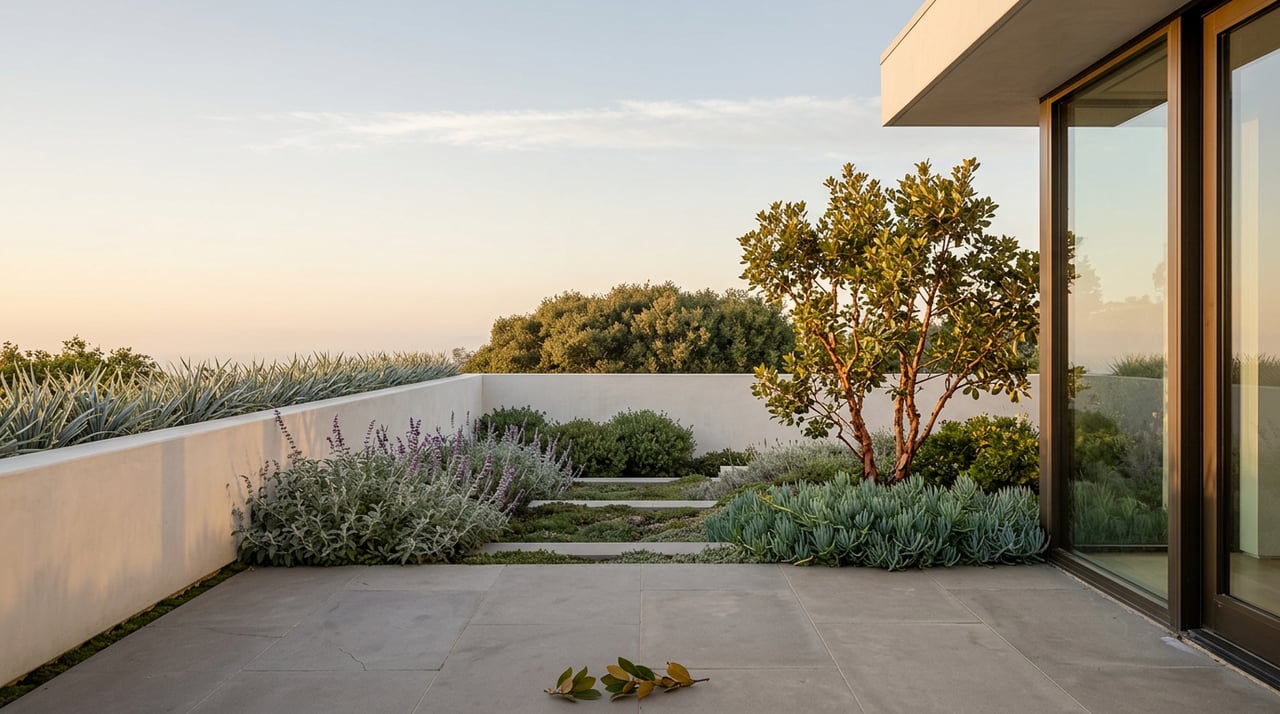
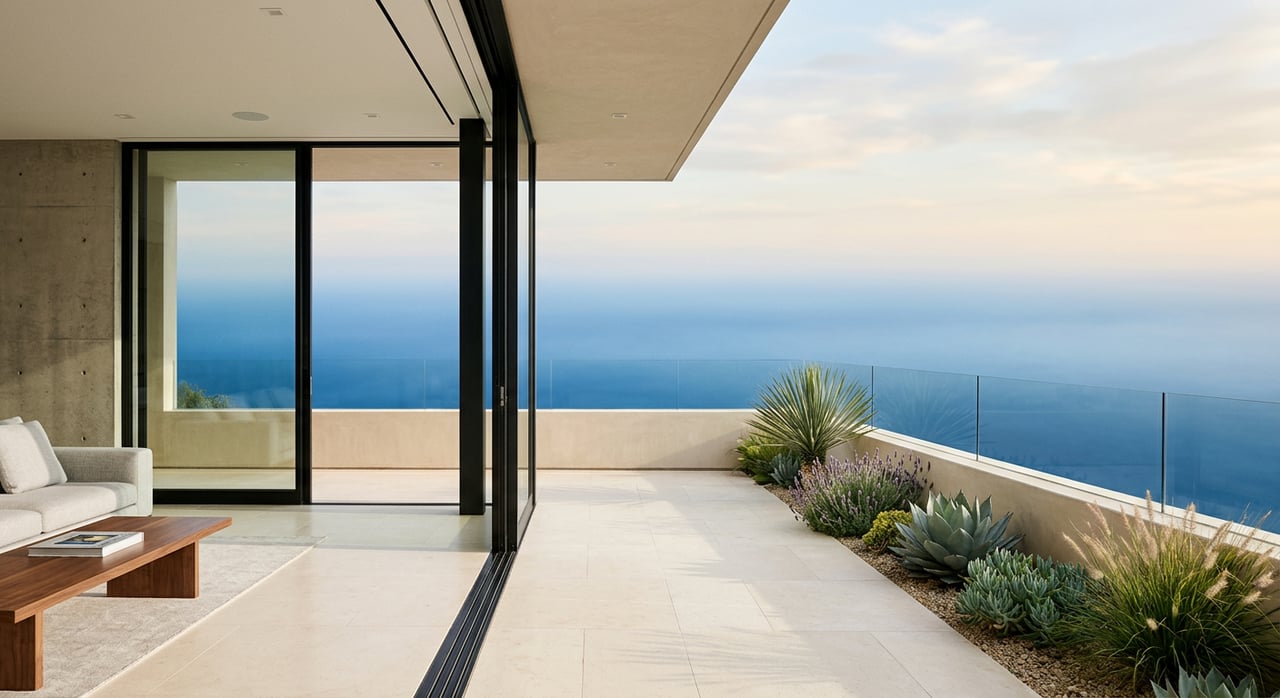
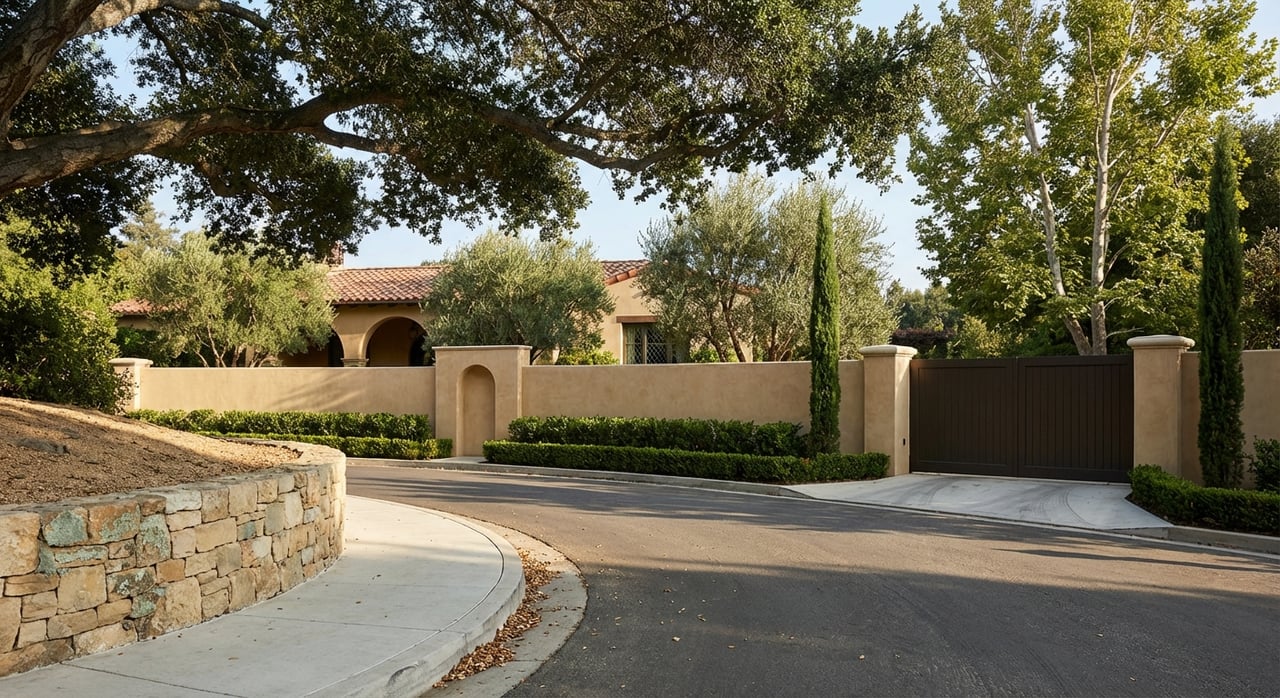
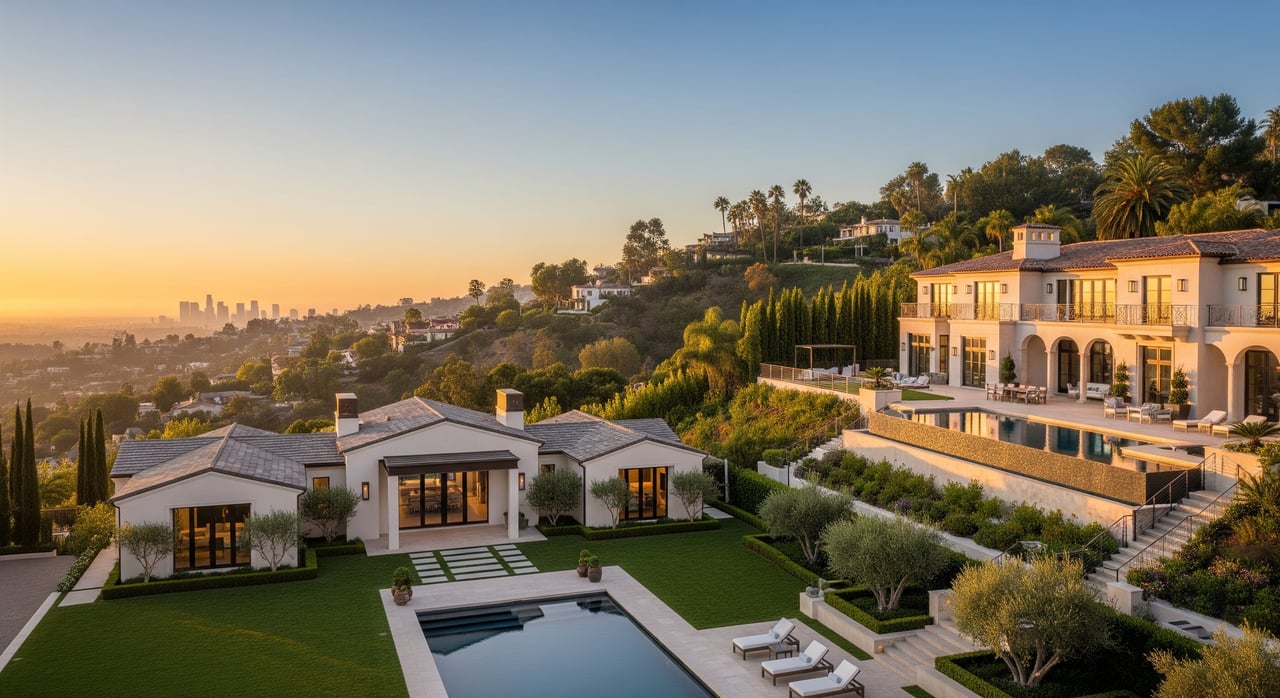
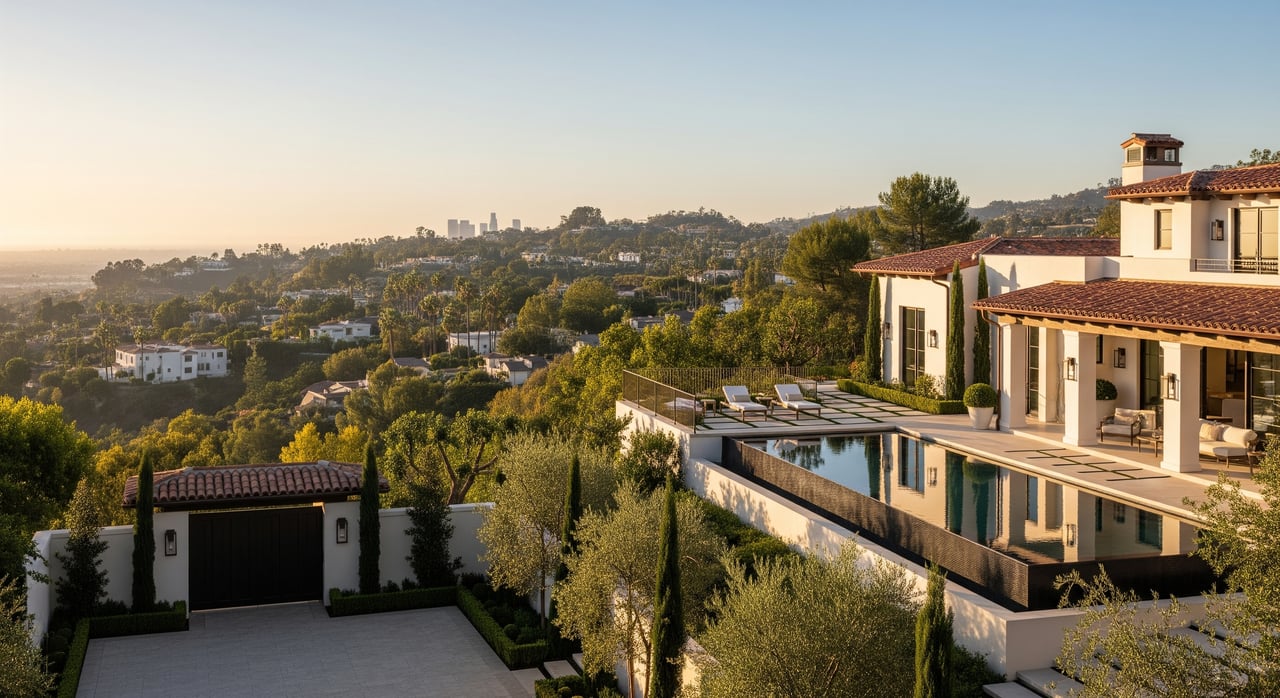
Hillside estates sit on the elevated slopes above the flat core. Key areas include Trousdale Estates within the City of Beverly Hills and properties across the northern slopes and adjacent canyon ridges. Many ultra-luxury properties in the 90210 zip code also sit in hillside pockets that fall under the City of Los Angeles, often referred to as Beverly Hills Post Office. These homes favor larger lots, long gated driveways, sweeping city or canyon views, and estate-scale amenities.
Why boundaries matter
“Hills” and “Flats” are informal terms without strict borders. Jurisdiction matters because it can affect policing, permitting, available services, and school district assignment. Some hillside addresses are inside the City of Beverly Hills while others in 90210 are in the City of Los Angeles. Verify the specific municipality and school district for any property you are considering by checking the City of Beverly Hills, Los Angeles City Planning, and relevant school district resources.
Lifestyle and daily convenience
Walkability and access
If you value easy access to restaurants, boutiques, salons, and fitness studios, the Flats deliver high walkability and short drives to Westside hubs like Century City and Westwood. In the Hills, the appeal shifts to scenic drives and unwinding at home. Commuting and errands typically involve driving down winding streets before you hit major corridors.
Privacy and entertaining
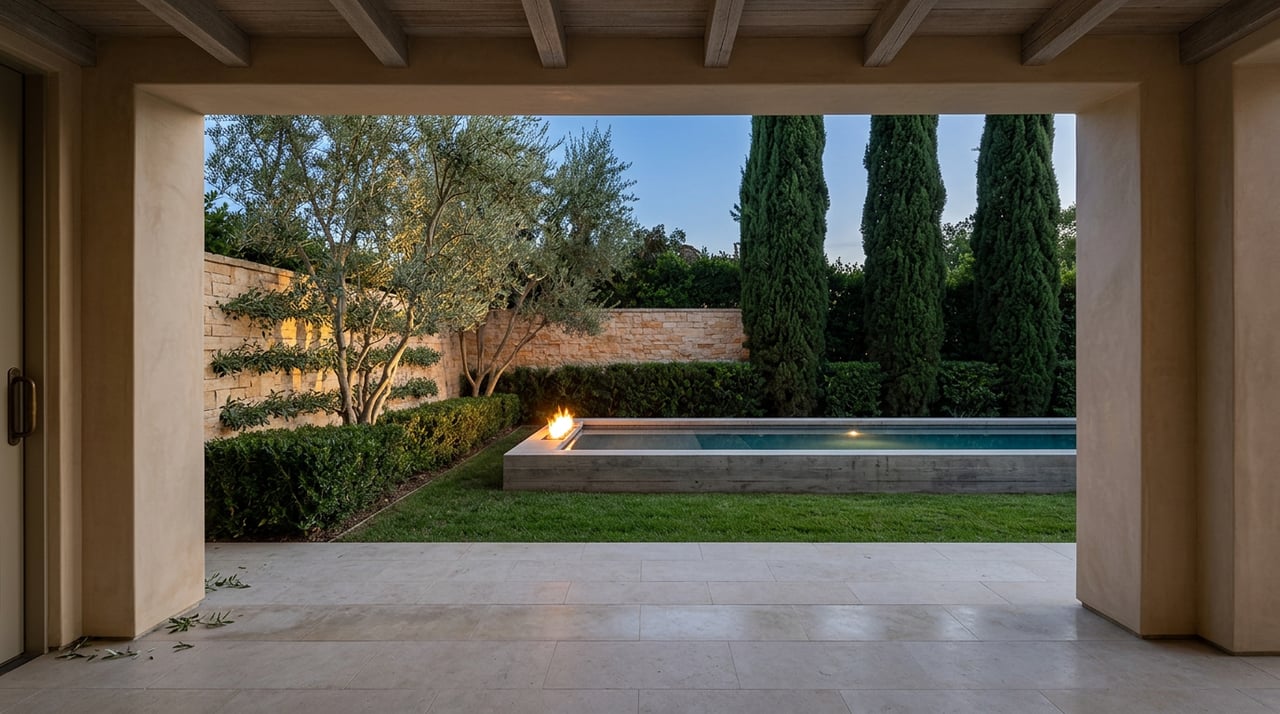
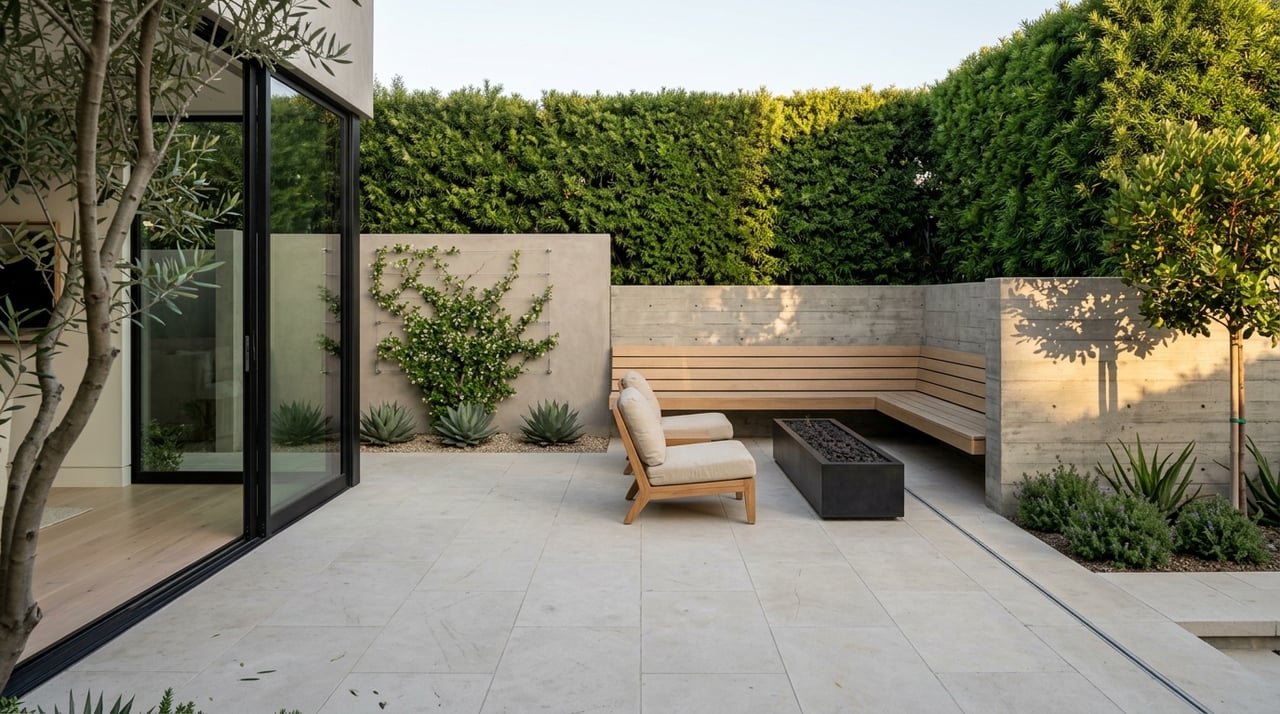
The Flats feel lively and connected, with more visible neighborhood activity and frequent local events. Hillside living prioritizes privacy. Many properties are designed for at-home entertaining with pools, guest suites, and expansive outdoor spaces. At the very top end, you will see valet-style service and staff-managed access for guests.
Parking and guest access
Street parking in the Flats can be restricted and lot sizes are often smaller, so off-street guest parking may be limited. In the Hills, long driveways and multi-car garages are common, but narrow roads can constrain guest parking. Steep approaches may affect convenience for deliveries and service providers.
Maintenance and staffing
Flats properties tend to have smaller yards and simpler grounds, which can translate into lower day-to-day upkeep. In the Hills, expect higher ongoing maintenance due to pools, extensive landscaping, irrigation, slope and drainage systems, gates, and lighting. Many hillside owners engage part-time or full-time staff for smooth operations.
Homes, lots, and design
Architectural character
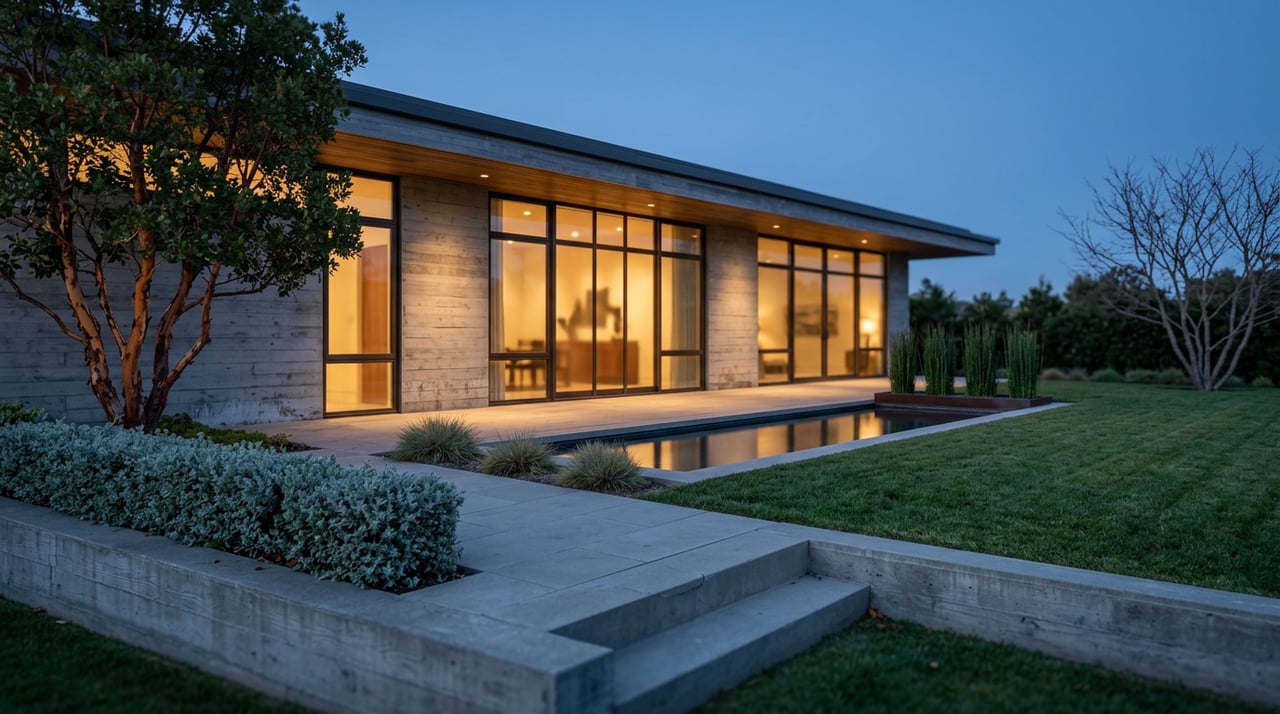
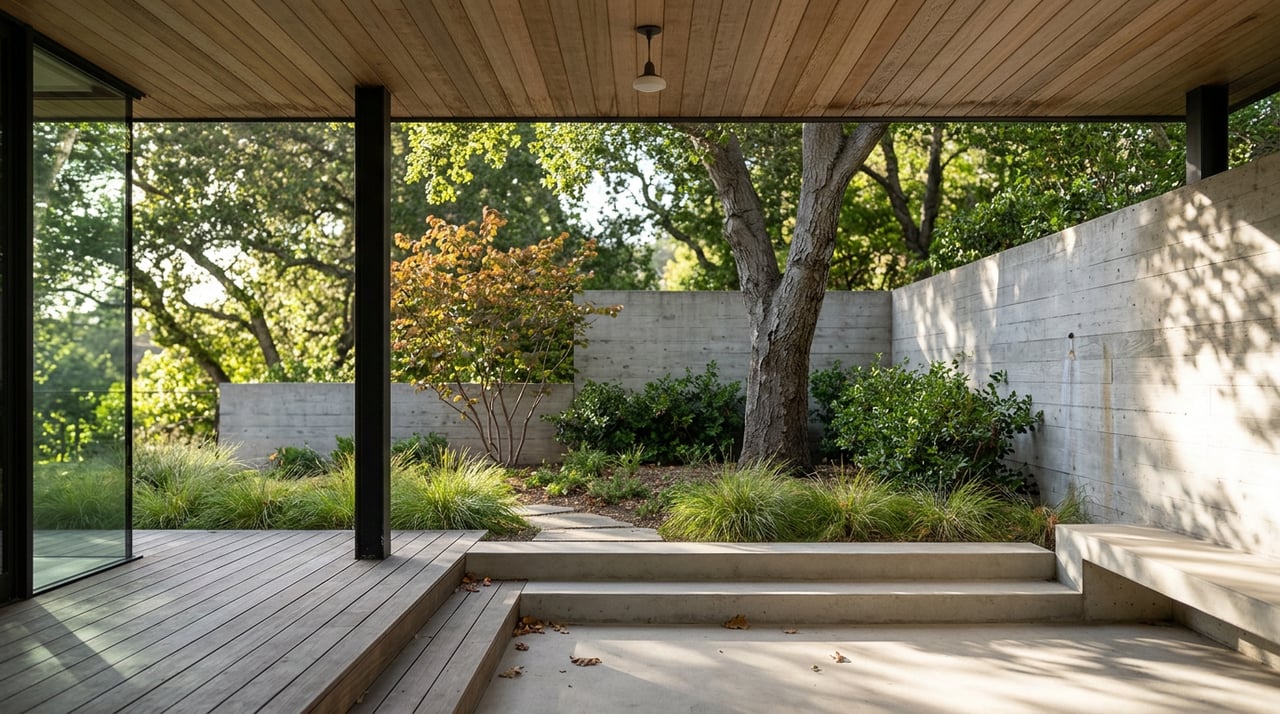
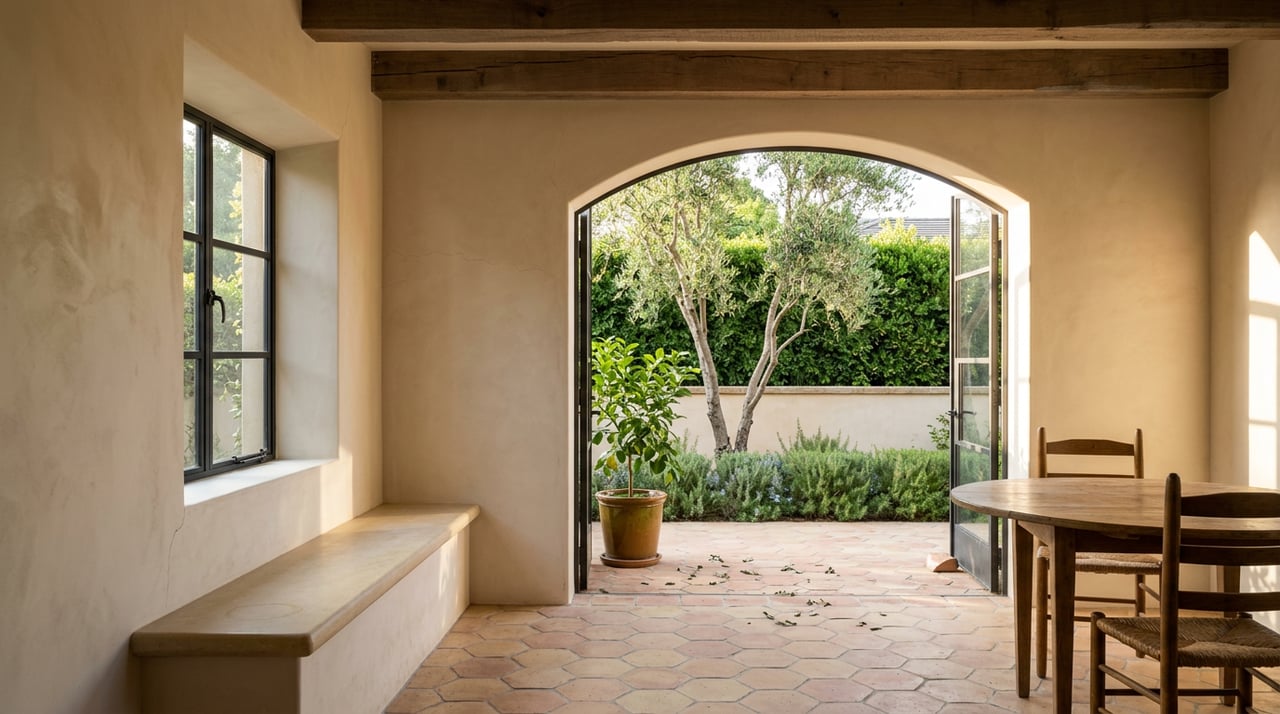
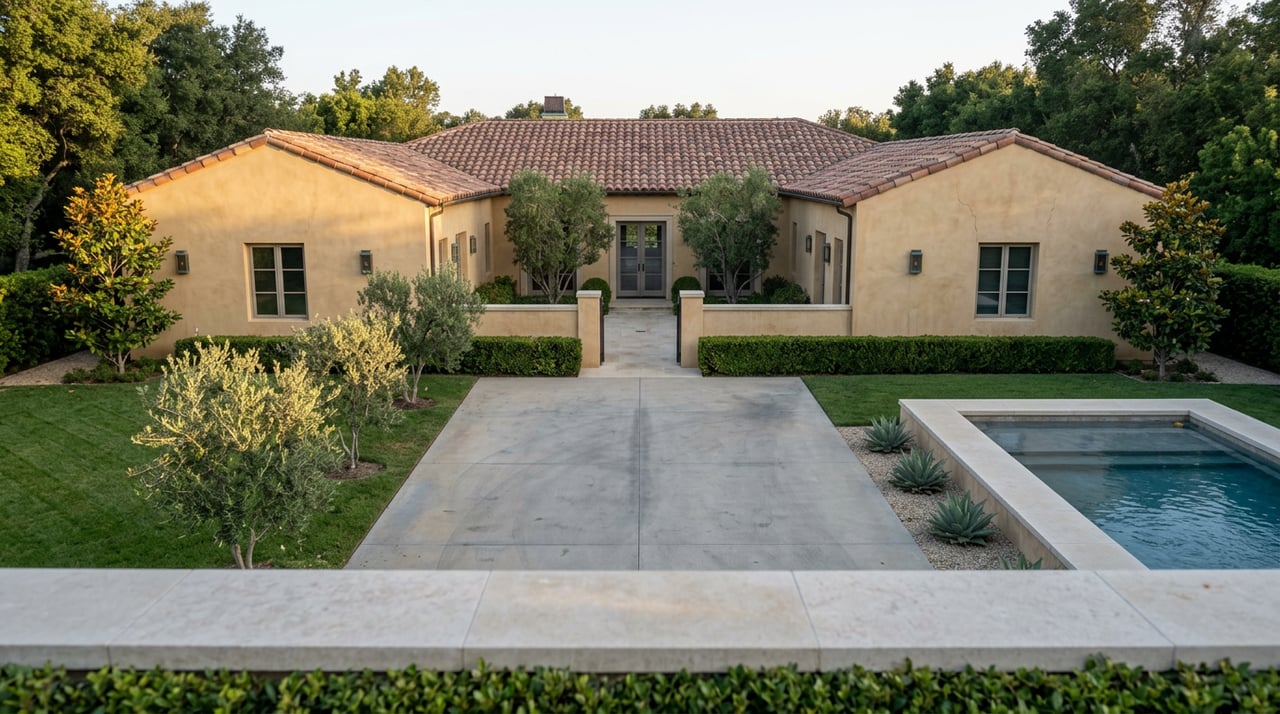
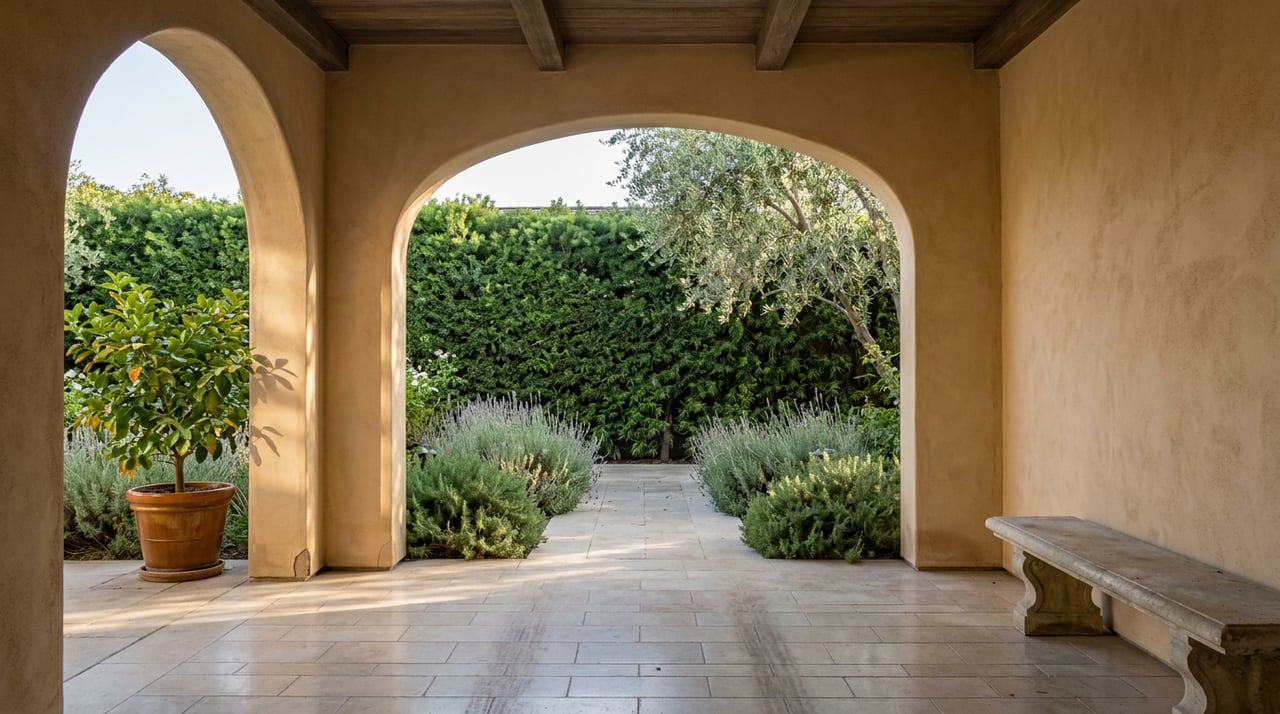
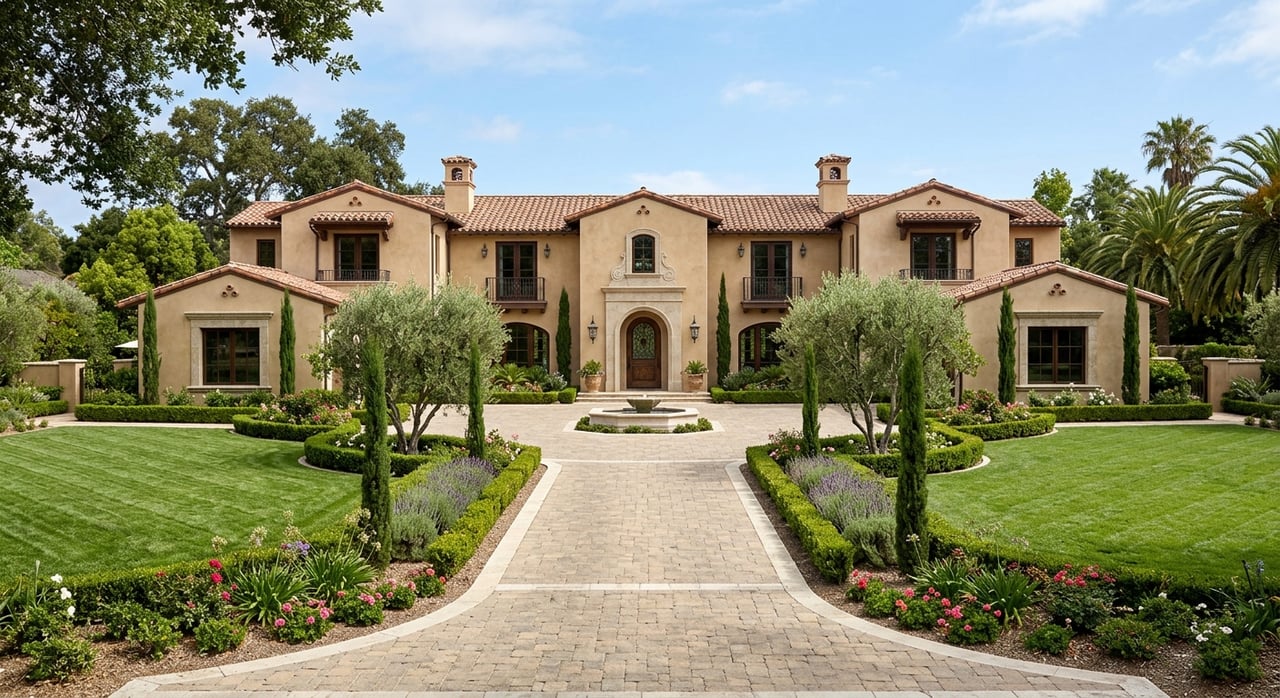
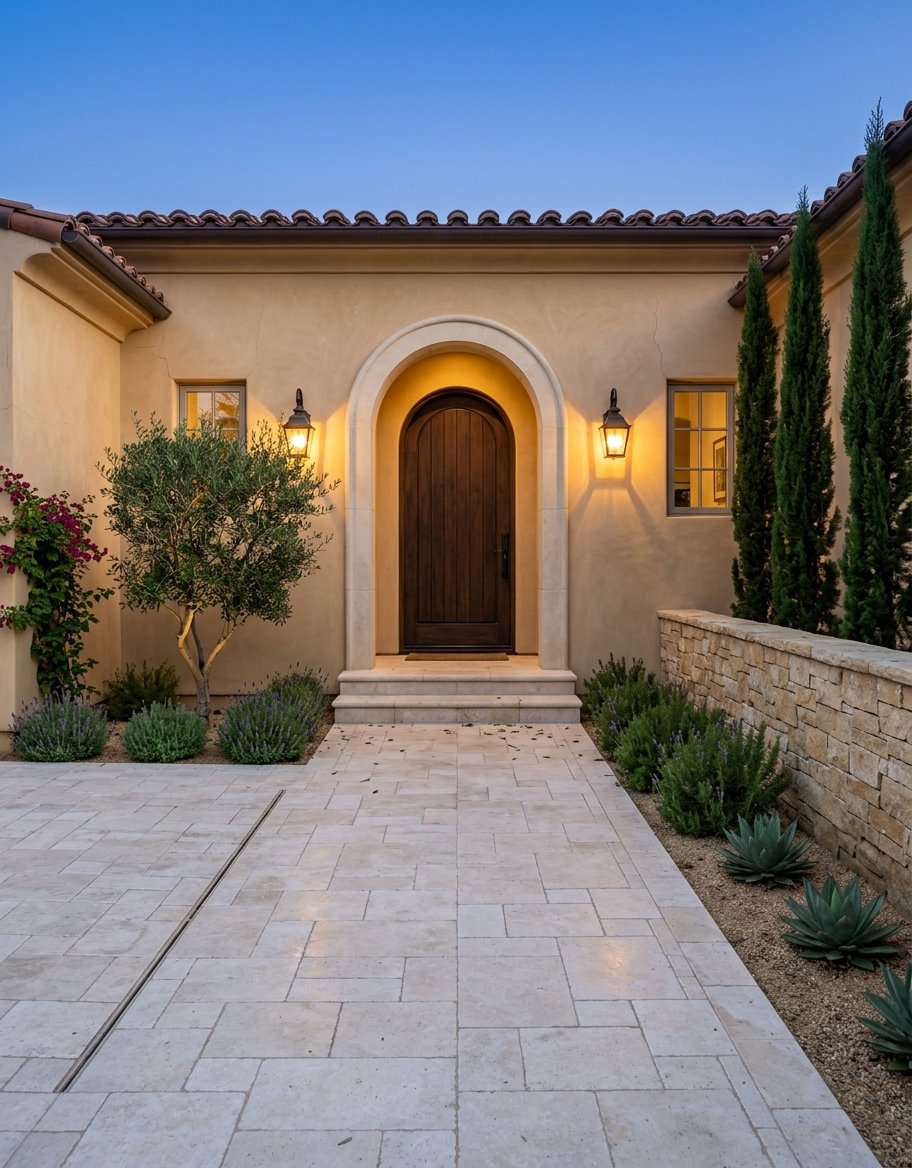
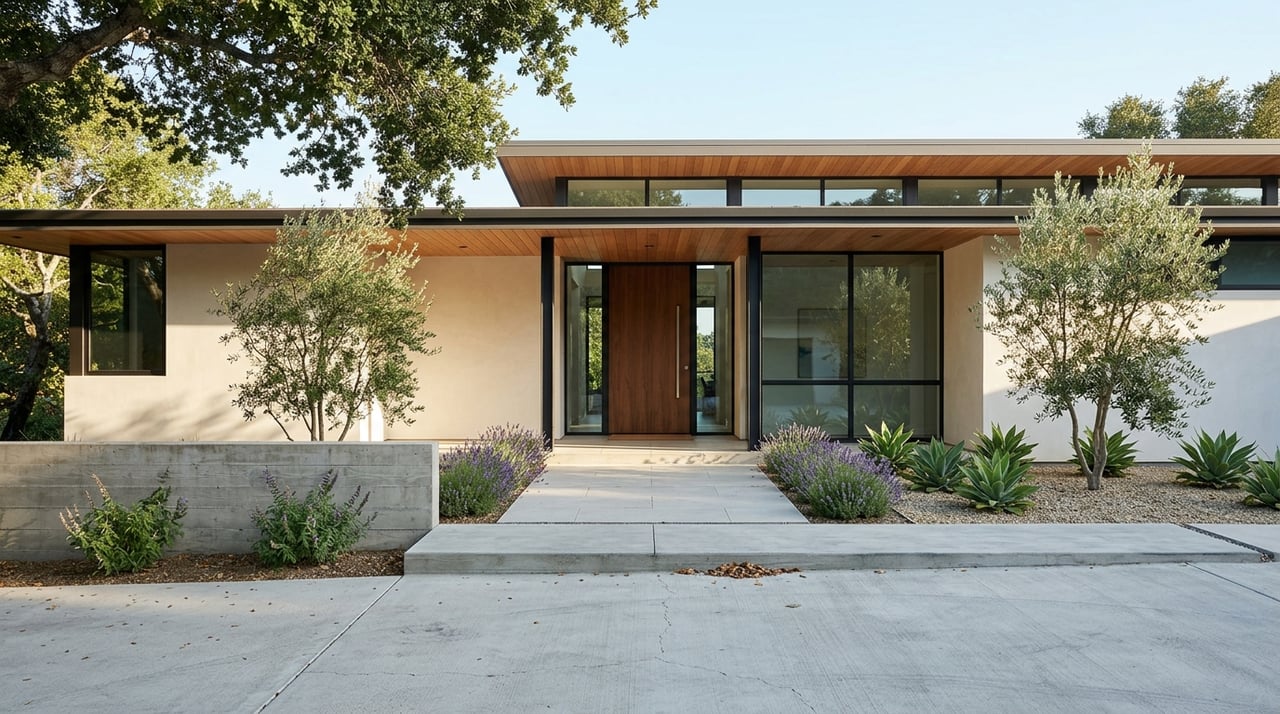
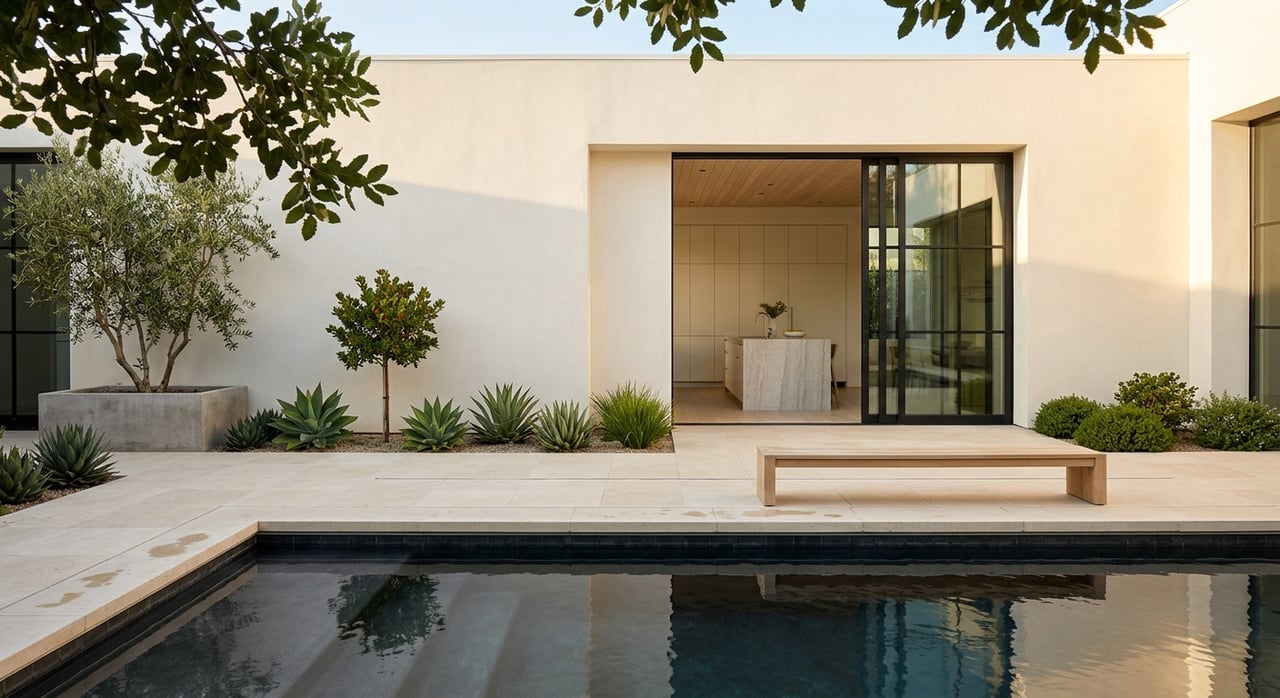
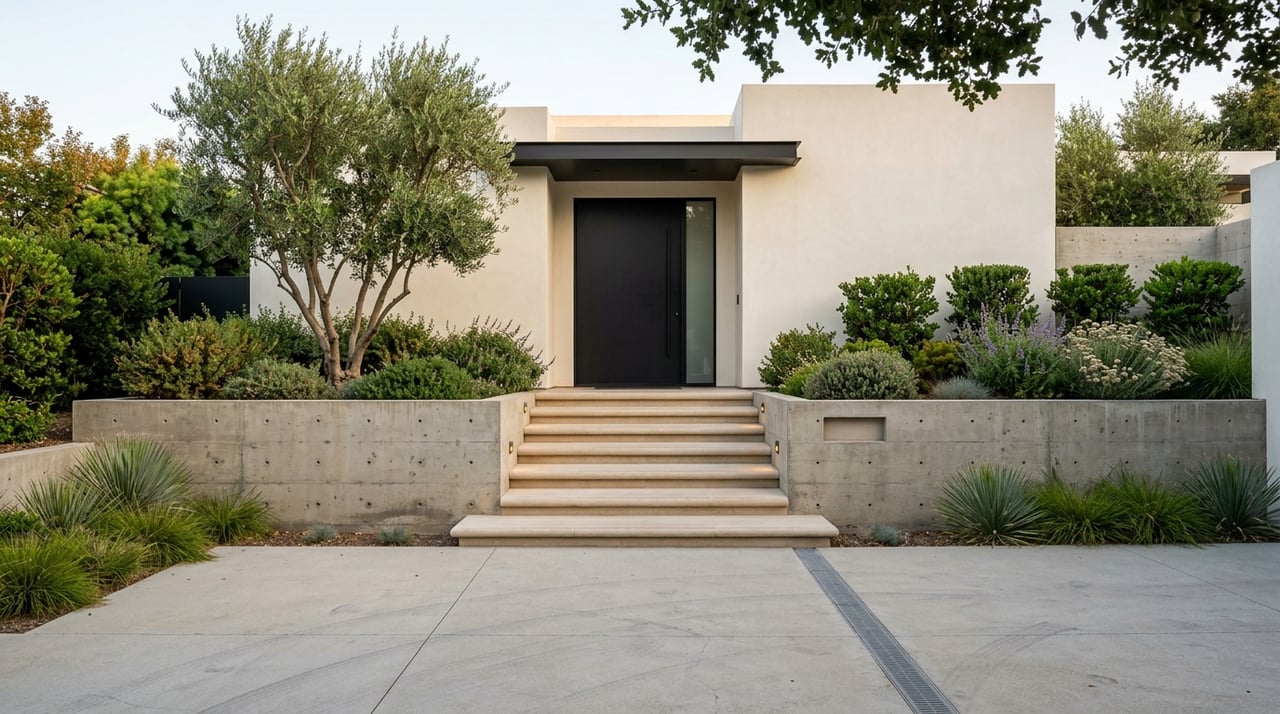
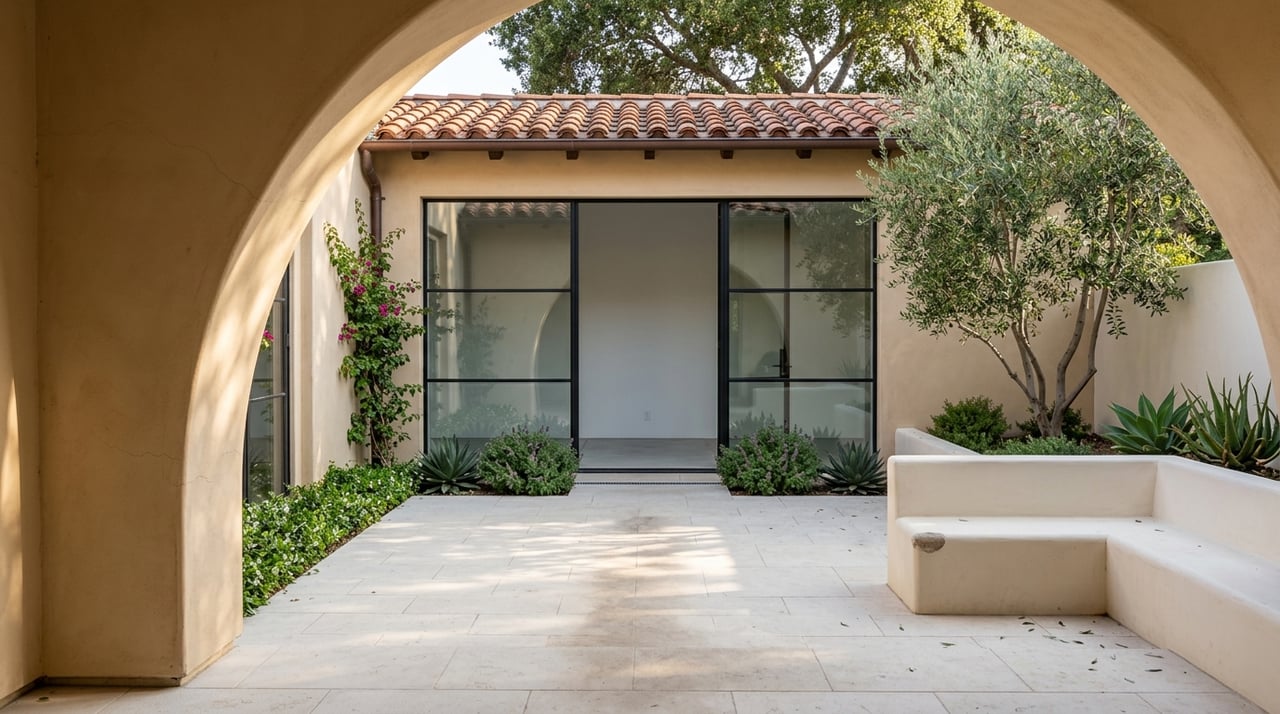
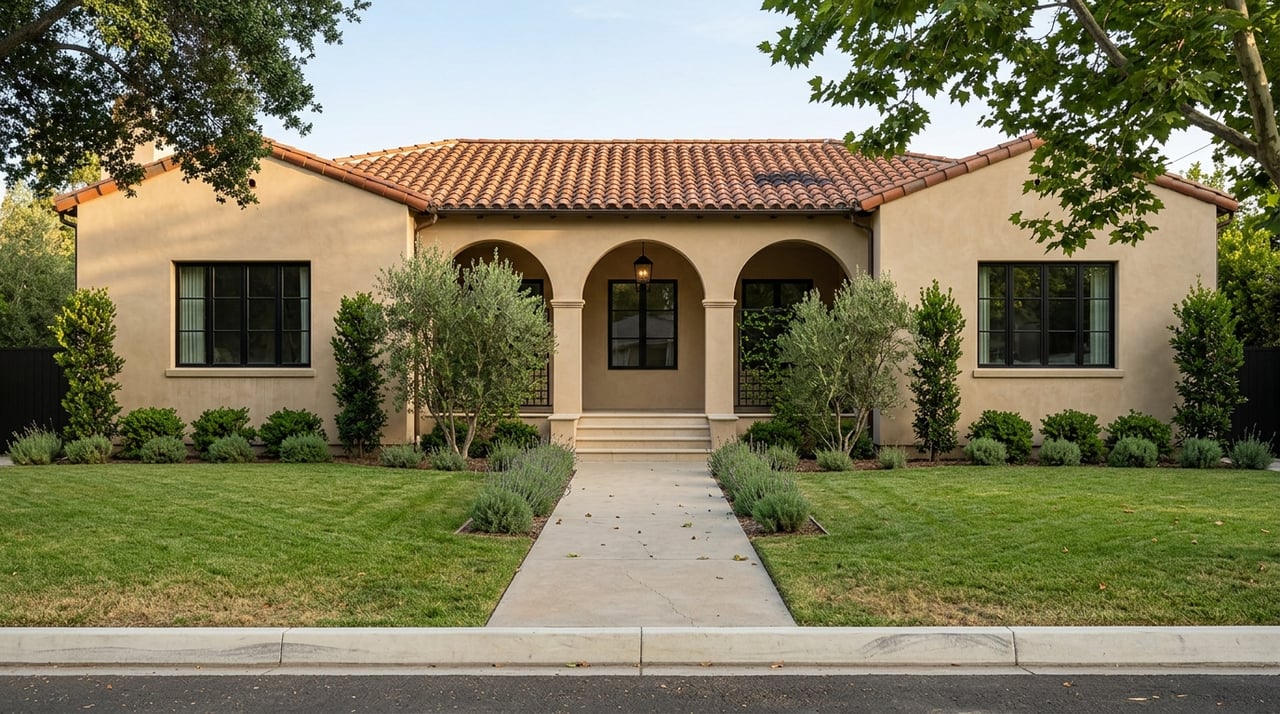
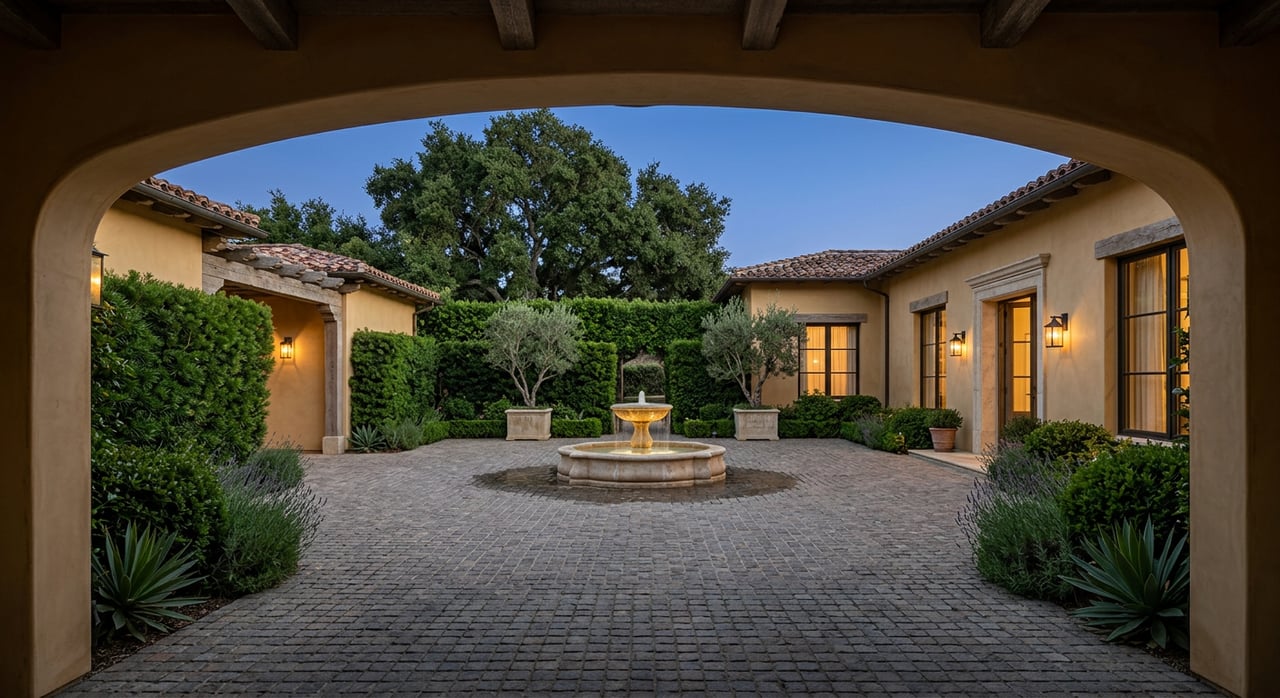
The Flats feature historic single-family homes and traditional styles such as Mediterranean, Spanish Colonial, Tudor, and Georgian, as well as mid-century residences and boutique luxury infill. Hillside neighborhoods include architect-designed mid-century and contemporary homes, trophy properties with glass walls and dramatic profiles, and multi-level layouts that maximize views.
Topography and construction
Steep hillside grades introduce engineering considerations. Substantial remodels or new builds often require geotechnical studies, engineered foundations, and retaining walls. In the Flats, site work is usually more straightforward, although historic character and neighborhood design review can shape renovation plans.
Permitting and timelines
Hillside projects typically face more regulatory review, including grading and slope stability, stormwater control, and in some cases discretionary hearings. This can extend timelines and increase soft costs. In the Flats, standard residential permits are more common. Before any project, consult local professionals and confirm requirements with the City of Beverly Hills Planning and Building or, for Los Angeles jurisdiction properties, LADBS and Los Angeles City Planning.
Market and investment lens
Who buys where
Both the Flats and the Hills attract luxury buyers. The Flats often draw a broader pool that includes affluent professionals, downsizers who prize walkability, and international buyers seeking prestige addresses. Hillside estates tend to attract privacy-focused, ultra-high-net-worth buyers who value unobstructed views and estate amenities.
Liquidity and resale
Flats listings can be somewhat more liquid because they appeal to more buyer profiles and include a wider mix of product types, from single-family homes to condos and townhomes. Hillside trophy properties can command standout prices, but resale may take longer if the home’s style or site conditions limit the buyer pool.
What drives value
In the Flats, value centers on walkability, proximity to retail and services, school district, historic charm, and usable lots. Renovations that modernize systems while protecting curb appeal often perform well. In the Hills, value is tied to privacy, view corridors, lot size, architectural pedigree, and the ability to create a true estate with guest houses, large pools, and sport courts.
Managing risk
Hillside ownership can involve higher replacement and maintenance costs. Market corrections sometimes affect the very top of the market more sharply because the buyer pool is narrower. Flats demand stays steadier overall, although properties near high-traffic corridors may have noise or access considerations.
For current pricing, absorption, and days on market, ask for a professional market analysis or pull current data from the local MLS and official records. County records are available through the Los Angeles County Assessor.
Services, schools, and safety
City services and jurisdiction
Confirm which municipality a property falls under, since that can affect policing, fire, and permitting. Some hillside addresses are within the City of Beverly Hills. Others in 90210 are within the City of Los Angeles. To verify, consult the City of Beverly Hills and Los Angeles City Planning.
Schools and boundaries
The Beverly Hills Unified School District is a major draw for many buyers looking inside City of Beverly Hills limits. Some hillside properties within 90210 are assigned to the Los Angeles Unified School District. Always verify by address using BHUSD and LAUSD resources.
Insurance, hazards, and taxes
Natural hazards vary by site. Hillsides and canyons carry greater exposure to wildfire. Review guidance from CAL FIRE and follow defensible-space requirements. Steep sites may also face landslide or debris flow risk, so a geotechnical evaluation is wise during due diligence. For flood concerns, check the FEMA Flood Map Service Center.
Across all of Los Angeles, earthquake risk is a reality and older homes may benefit from seismic upgrades. Earthquake insurance is a separate policy from standard homeowners insurance. Property taxes in California are set by Proposition 13 at roughly 1 percent of assessed value, plus local assessments. Purchases usually trigger reassessment to market value, which you can confirm with the Los Angeles County Assessor.
A quick decision checklist
Use this snapshot to focus your search:
- Daily routine: How important are walkability, short drives, and guest access compared to privacy and on-site amenities?
- Location fit: Which addresses place you in the municipality and services you prefer, and within your target school district?
- Views and lot use: Do you need panoramic views, or do you prefer a flatter, more usable yard?
- Risk tolerance: Are you comfortable with hillside hazards and mitigation plans, including defensible space and slope stability?
- Upkeep budget: What annual maintenance level and staffing are you willing to support?
- Project appetite: Would you be ready for hillside permitting and engineering, or do you prefer a simpler renovation path?
- Architectural preferences: Do you value historic character or a specific modern architectural pedigree?
- Exit strategy: How important is broader market appeal and resale velocity for your timeline?
Buying with confidence
Choosing between the Flats and hillside estates comes down to lifestyle, tolerance for site complexity, and your long-term plan. If you want walkable access and steady market appeal, the Flats make a compelling case. If you value privacy, views, and a true estate setting, the Hills deliver an extraordinary canvas.
When you are ready to compare select properties side by side, arrange private showings, or review current market data with context, connect with Steve Frankel for discreet, senior-level guidance.
FAQs
What defines the Beverly Hills Flats versus the hillside estates?
- The Flats are the level, central neighborhoods near Rodeo Drive and main corridors, while hillside estates sit on the elevated slopes and ridges with larger lots and view-focused properties.
Are hillside homes harder to maintain than homes in the Flats?
- Generally yes, because hillside estates often include pools, expansive landscaping, slope and drainage systems, long driveways, and complex lighting and access infrastructure.
How do schools differ between the Flats and the Hills?
- City of Beverly Hills addresses typically feed into BHUSD, while some hillside addresses in 90210 fall under LAUSD; always confirm by address using district resources.
Which area tends to have faster resale in Beverly Hills?
- The Flats often appeal to a broader buyer pool, which can support steadier resale, while hillside trophy properties may take longer and depend on niche demand.
What permits are needed to renovate a hillside home?
- Hillside projects often require geotechnical studies, grading and slope stability permits, and stormwater controls; confirm requirements with the City of Beverly Hills or LADBS and Los Angeles City Planning for LA-jurisdiction addresses.