If you want a Los Angeles neighborhood that feels tucked into nature without giving up access to the city, Laurel Hills deserves a closer look. This hillside enclave carries the creative energy of Laurel Canyon, adds a leafy and private setting, and offers a housing mix that appeals to buyers who value architecture, views, and a sense of retreat. Whether you are exploring homes for your next move or narrowing down Westside-adjacent hillside options, this guide will help you understand what makes Laurel Hills distinct. Let’s take a closer look.
Where Laurel Hills Fits
Laurel Hills is often discussed as part of the broader Laurel Canyon area, though the City of Los Angeles places it within the Bel Air-Beverly Crest Community Plan area. In practical terms, that means you will hear both names used in conversation, especially when people talk about canyon living in this part of Los Angeles.
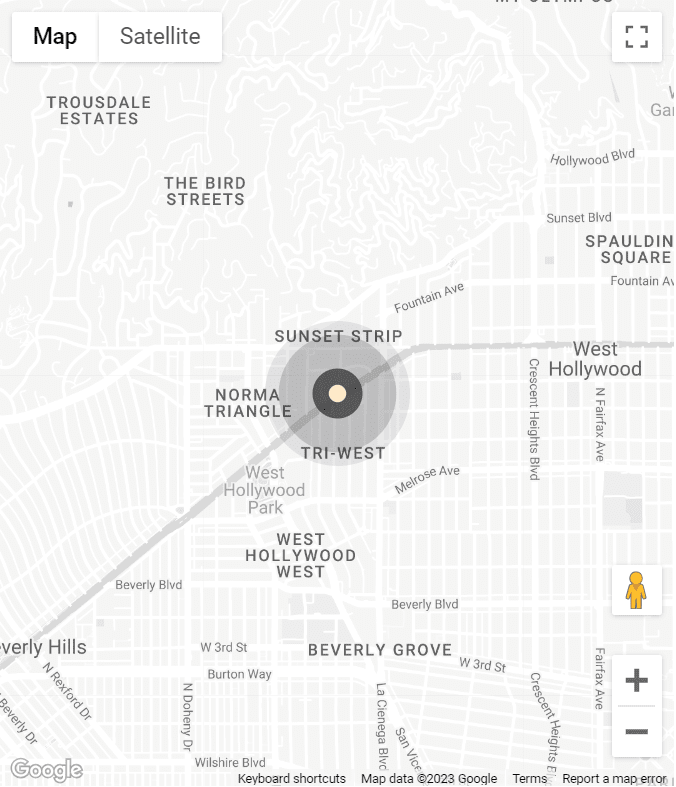
The area sits on the southern slopes of the Santa Monica Mountains, inside a larger hillside corridor framed generally by Mulholland Drive, the I-405, Sunset Boulevard and Beverly Hills, and Laurel Canyon Boulevard and Wonderland Drive. That setting gives Laurel Hills a rare balance. You feel removed from the city’s pace, yet you are still connected to major routes and nearby job and lifestyle hubs.
The Setting Defines the Lifestyle
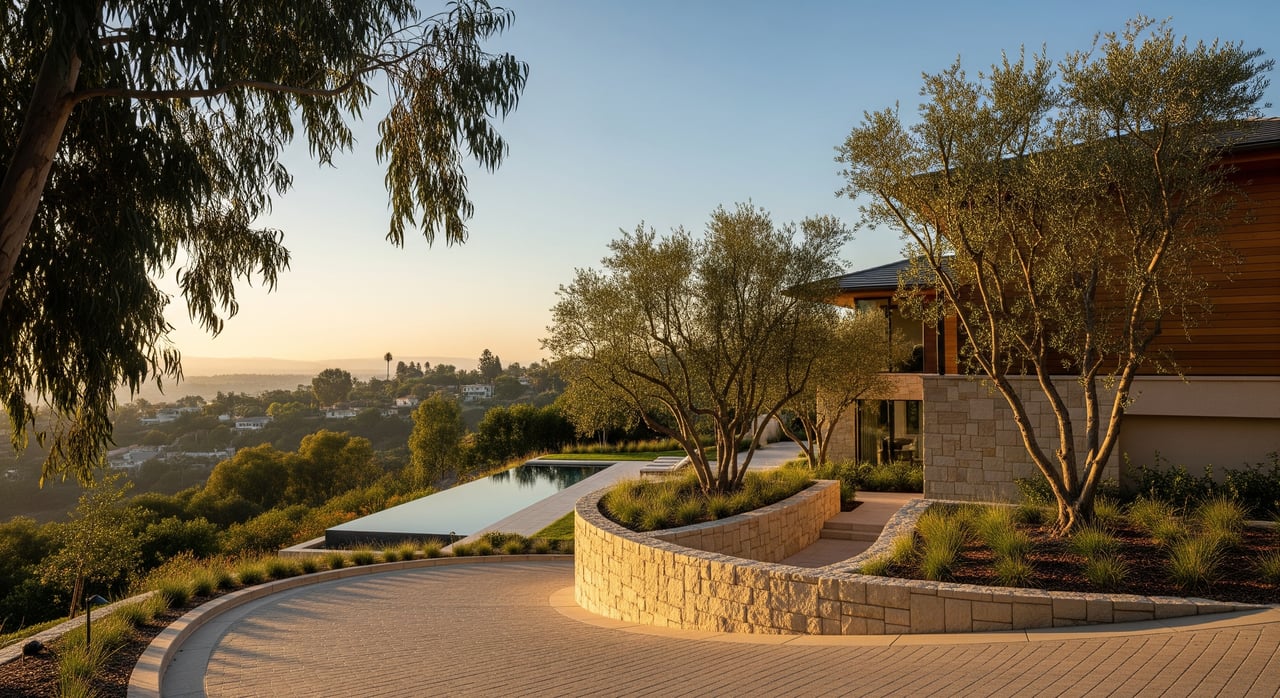
One of Laurel Hills’ strongest draws is its physical landscape. According to SurveyLA’s Bel Air-Beverly Crest report, the area follows a non-gridded street pattern shaped by steep canyon terrain, with significant undeveloped land left in place because of slope.
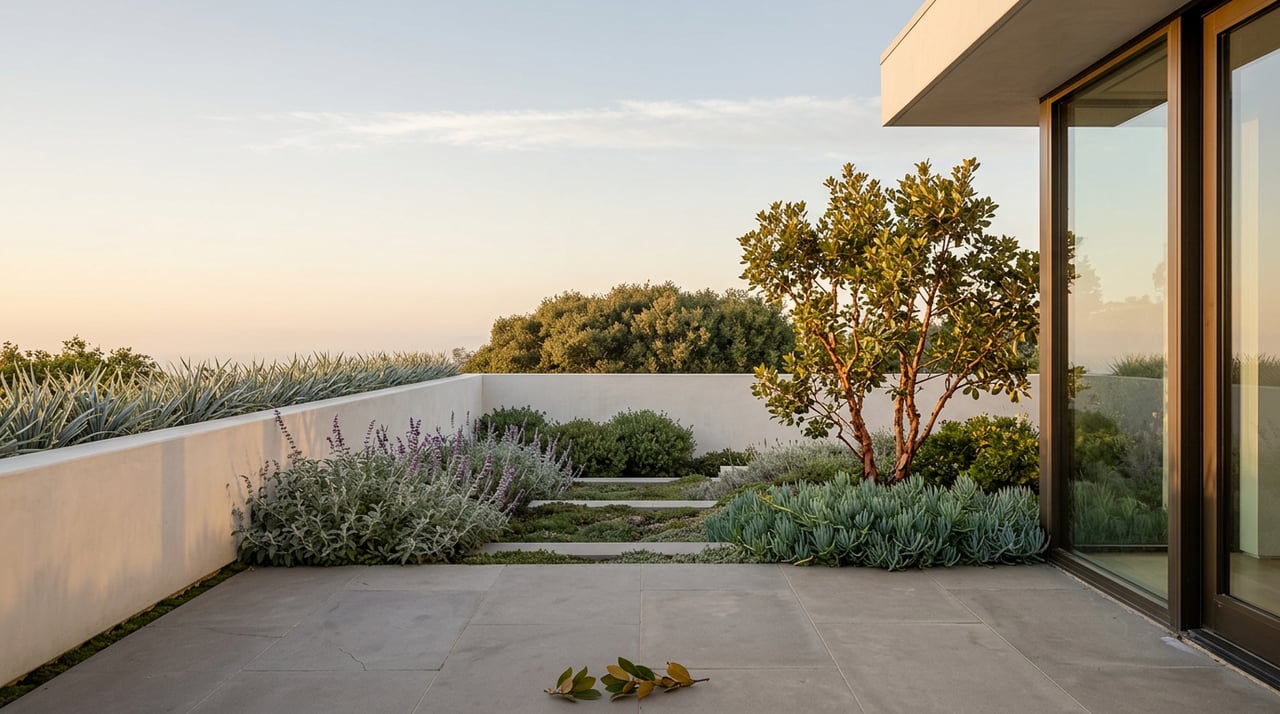
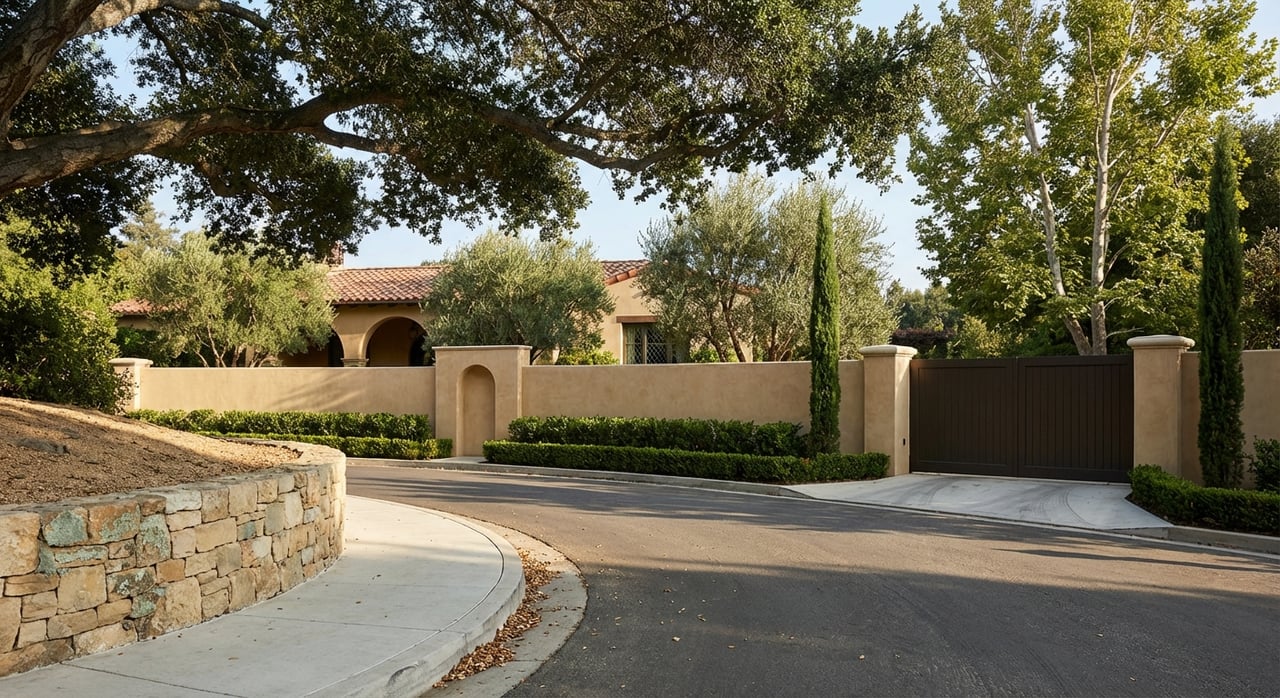
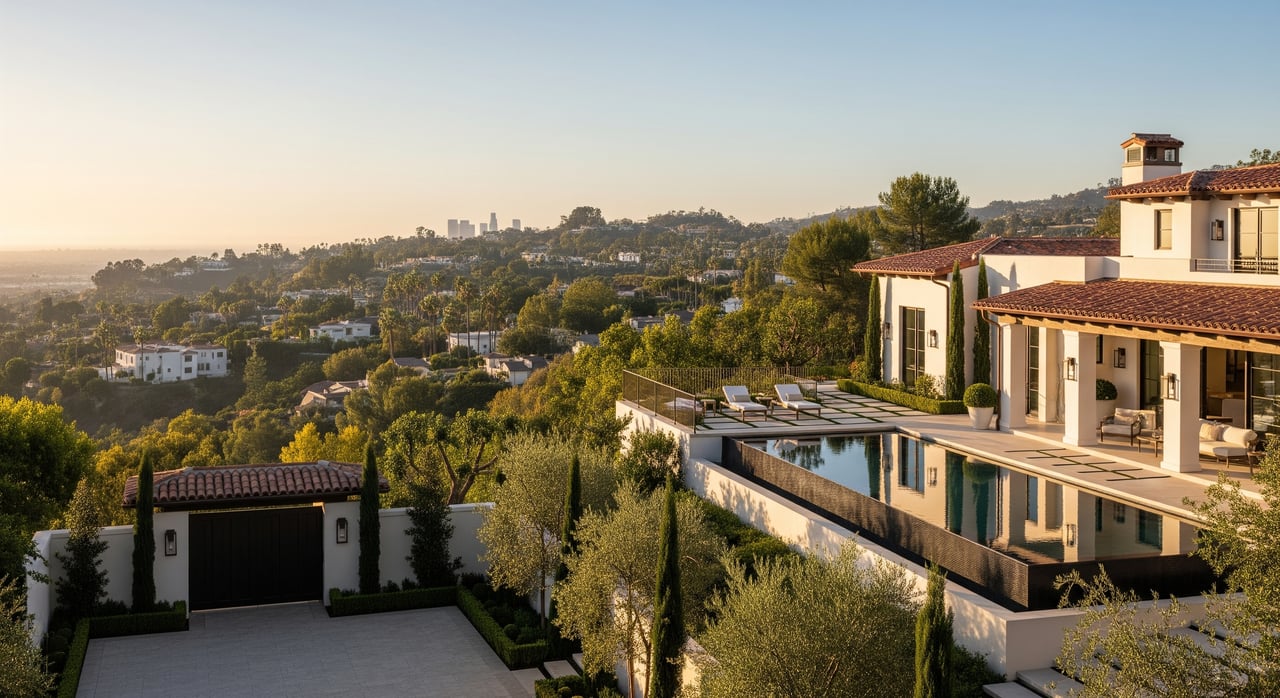
That topography creates the atmosphere many buyers are looking for in hillside Los Angeles. Streets curve with the land, homes often sit above or below the road, and the neighborhood feels quieter, more secluded, and more view-oriented than flatter sections of the city.
The area’s scenic character is also reinforced by planning guidelines tied to the Mulholland Scenic Parkway. Those guidelines emphasize preservation of natural hillside features, scenic views, and native landscape, which helps explain why Laurel Hills continues to feel visually distinct from more densely built urban neighborhoods.
A Neighborhood With Creative History
Laurel Hills benefits from the cultural identity long associated with Laurel Canyon. The canyon’s reputation as a center of music and artistic life in the 1960s and 1970s still shapes how people think about the area today. The GRAMMY Museum’s overview of Laurel Canyon describes it as a music epicenter, and the Los Angeles Times has chronicled the musicians and songwriters who helped define the well-known Laurel Canyon sound.
That creative legacy gives the area more than name recognition. It adds a layer of identity that appeals to buyers who want a neighborhood with a story, not just a hillside address.
The broader canyon area also has longstanding ties to the entertainment industry. SurveyLA notes that entertainers have made homes in this community plan area since the 1920s, while local preservation efforts have helped protect parts of the landscape for the long term. That combination of culture and conservation still shapes the feel of Laurel Hills today.
What Homes in Laurel Hills Look Like
If you are searching for homes in Laurel Hills, you will mostly find single-family residences. SurveyLA identifies the broader area as predominantly single-family, with only a small number of multifamily enclaves and a residential history that extends from the 1920s forward.
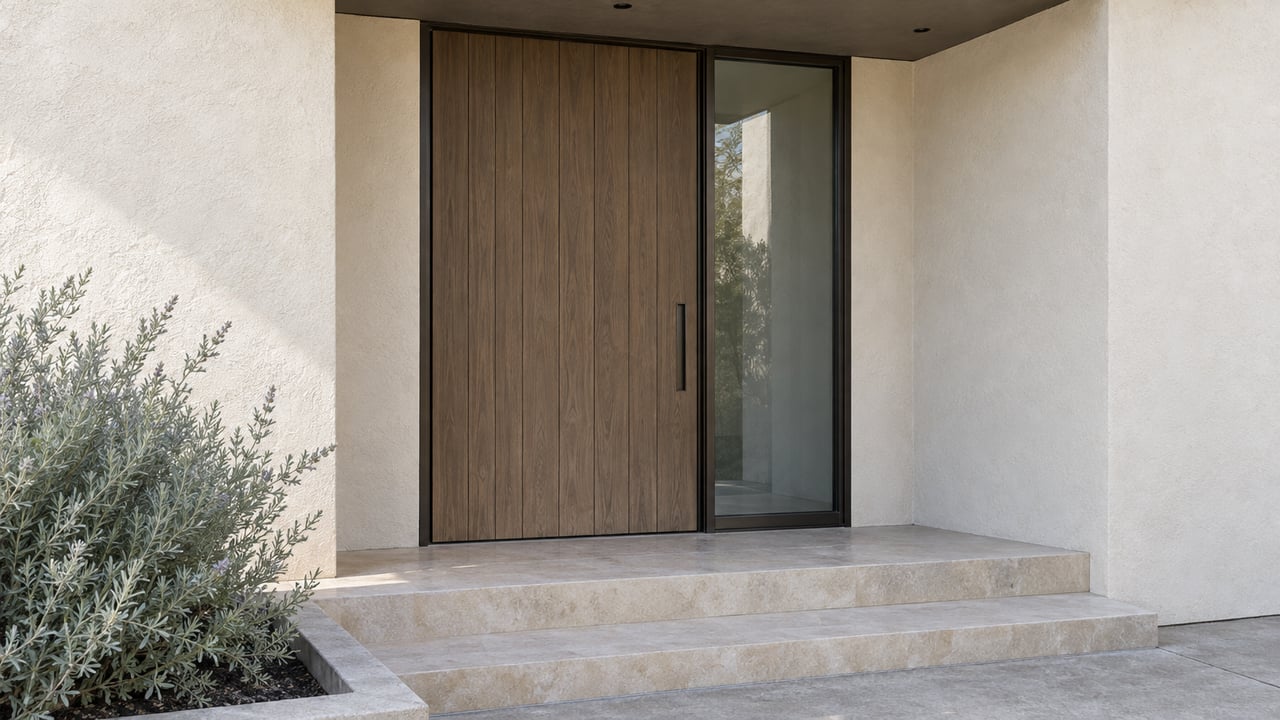
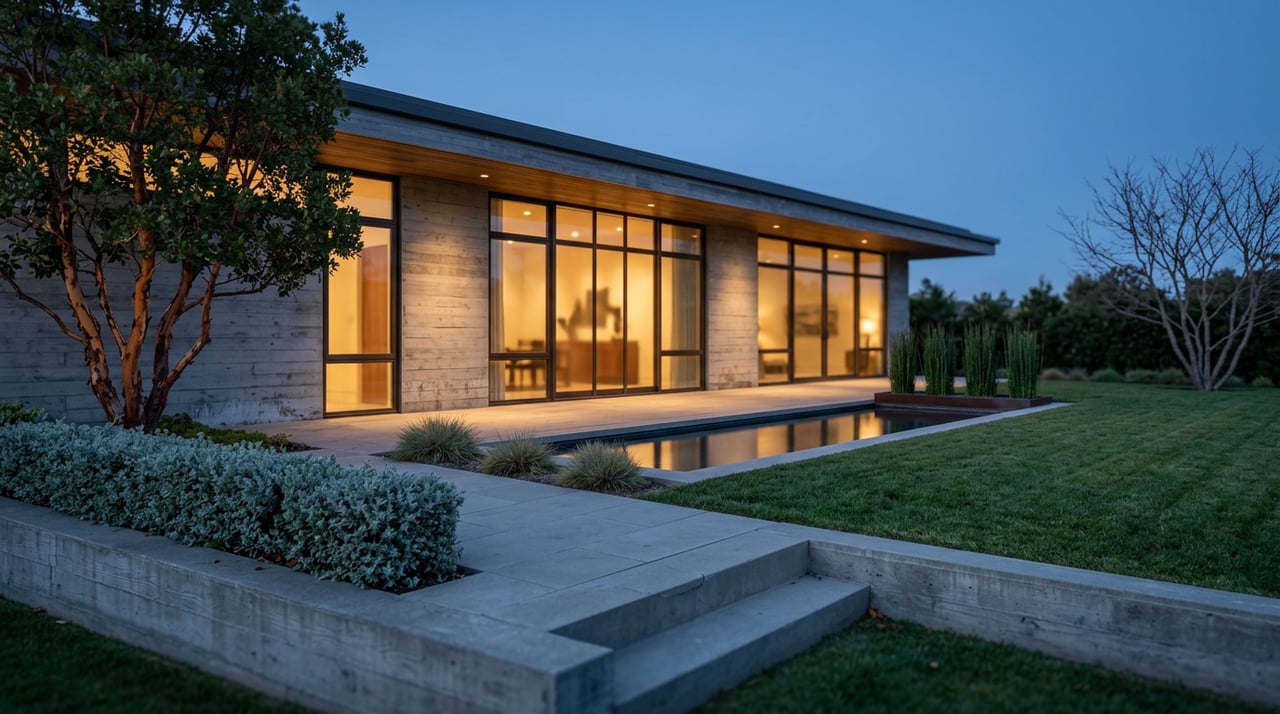
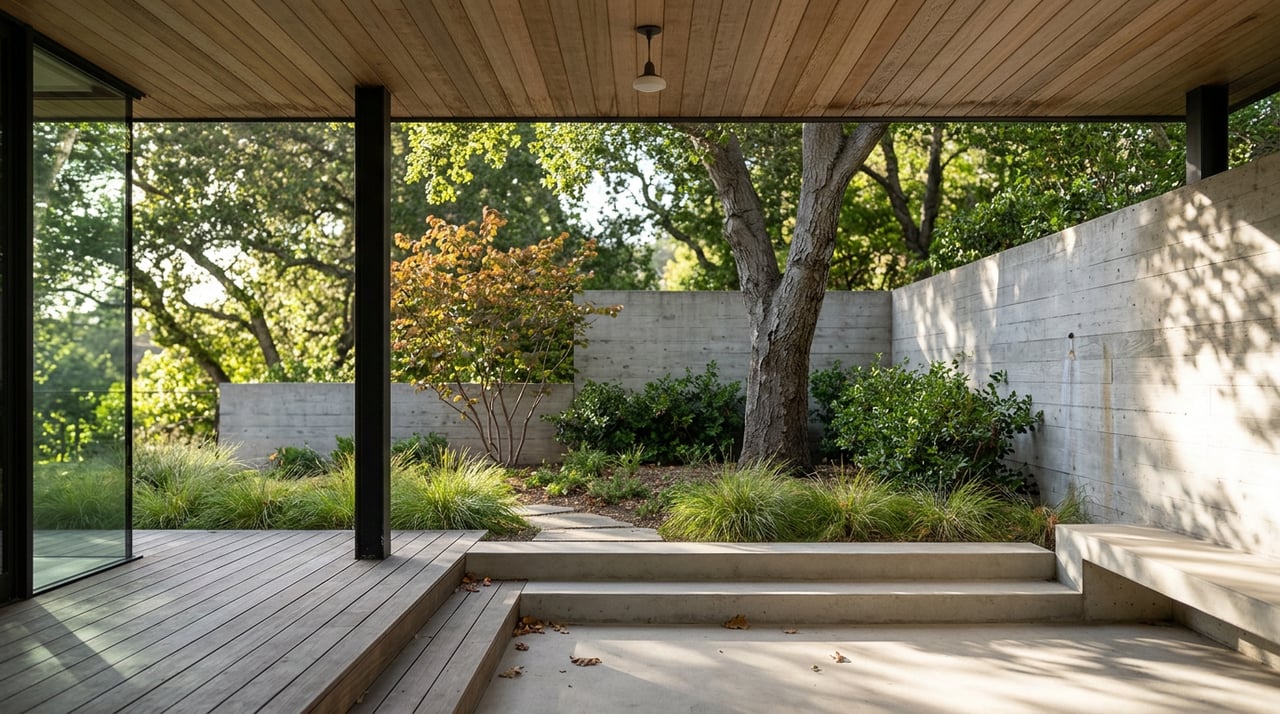
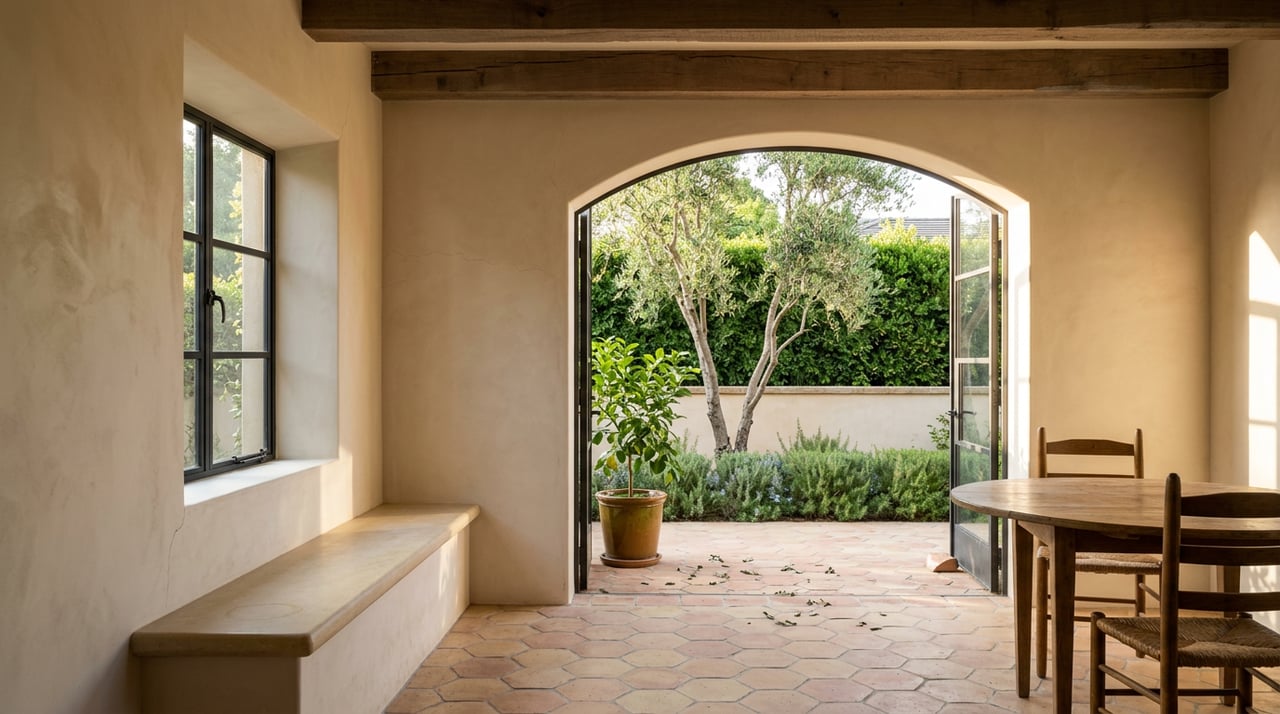
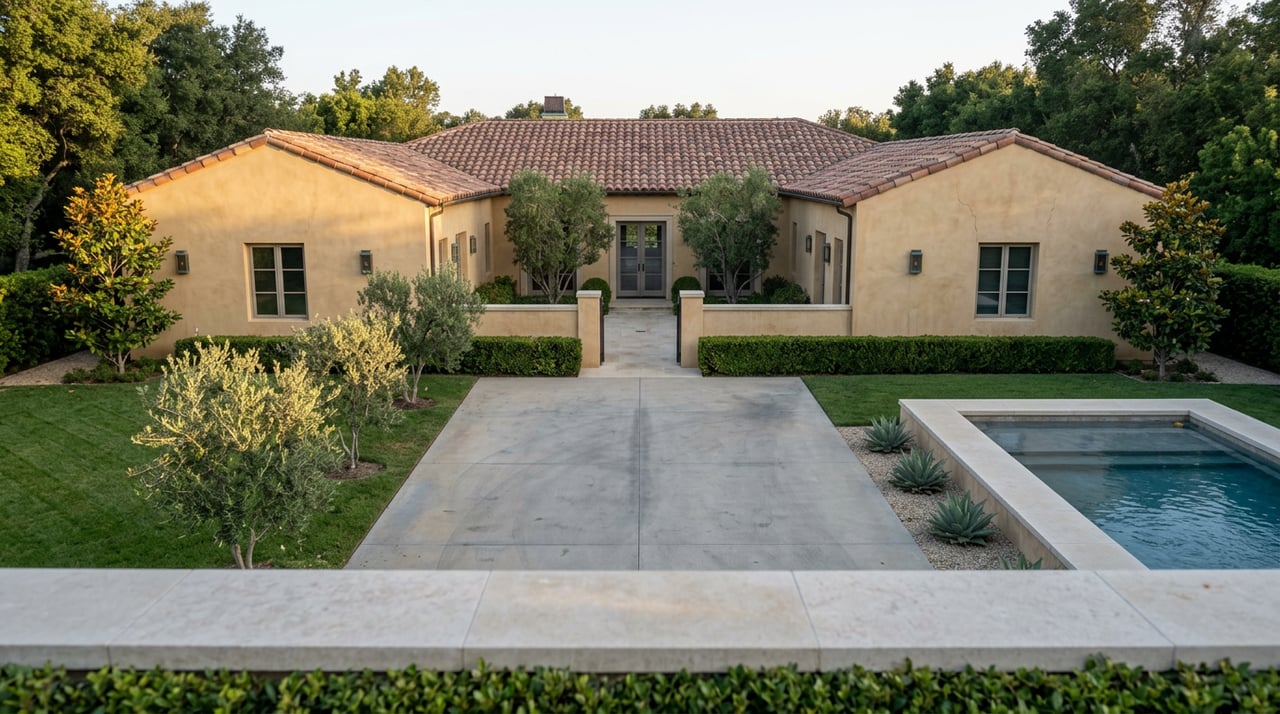
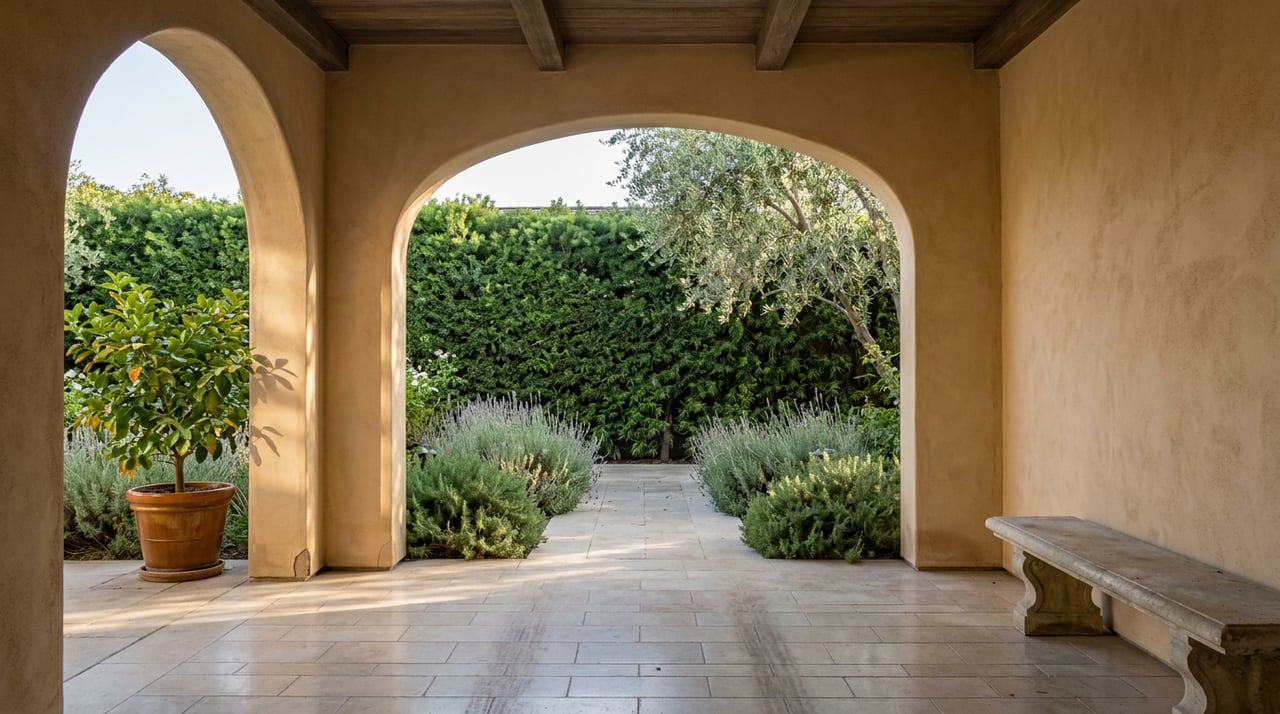
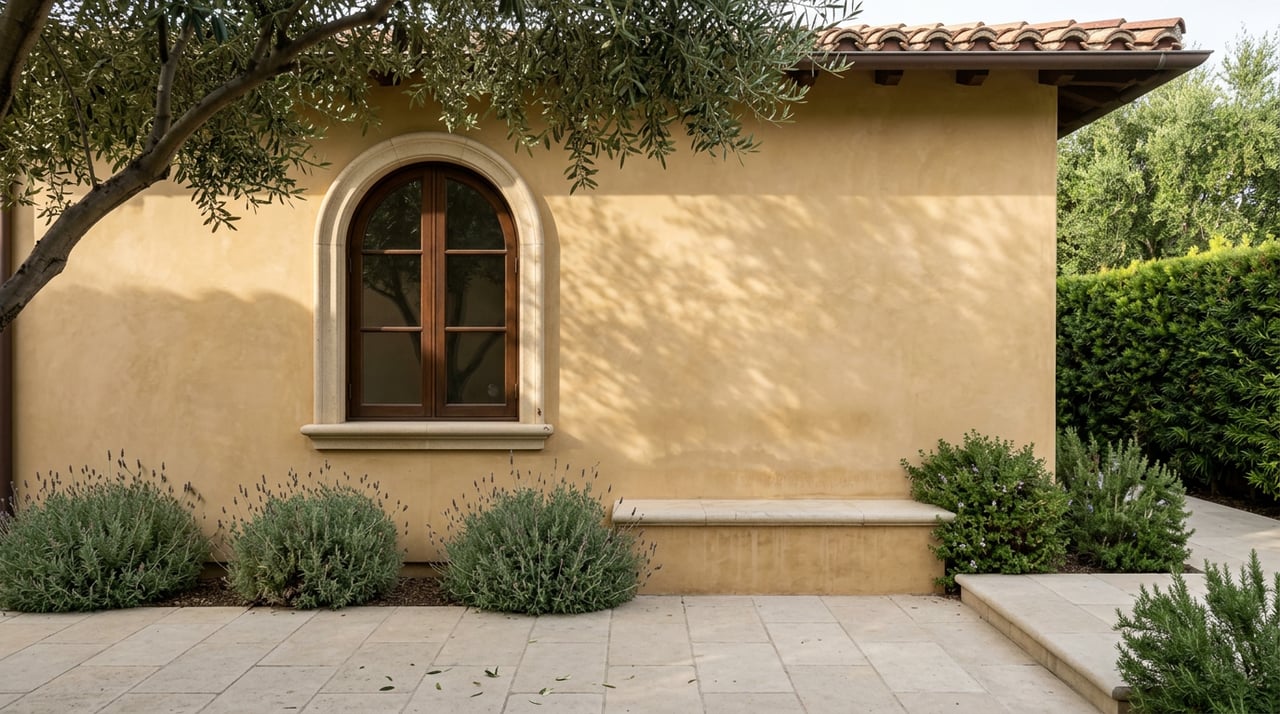
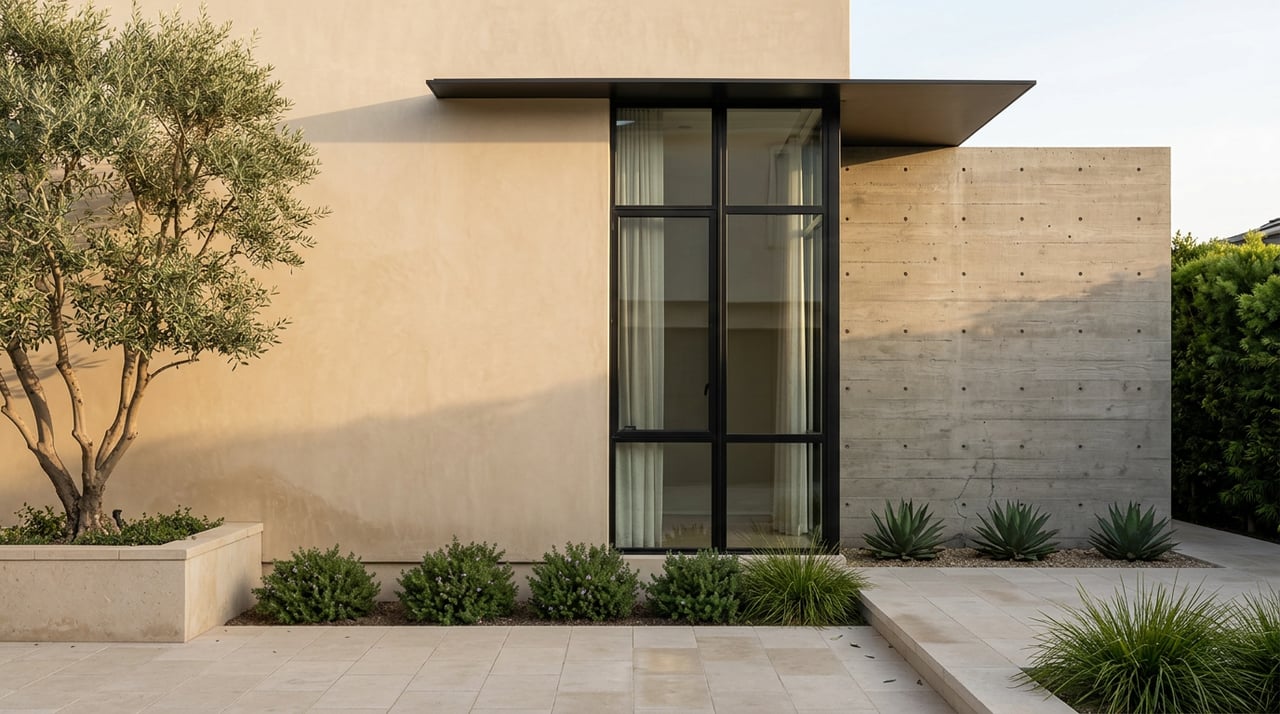
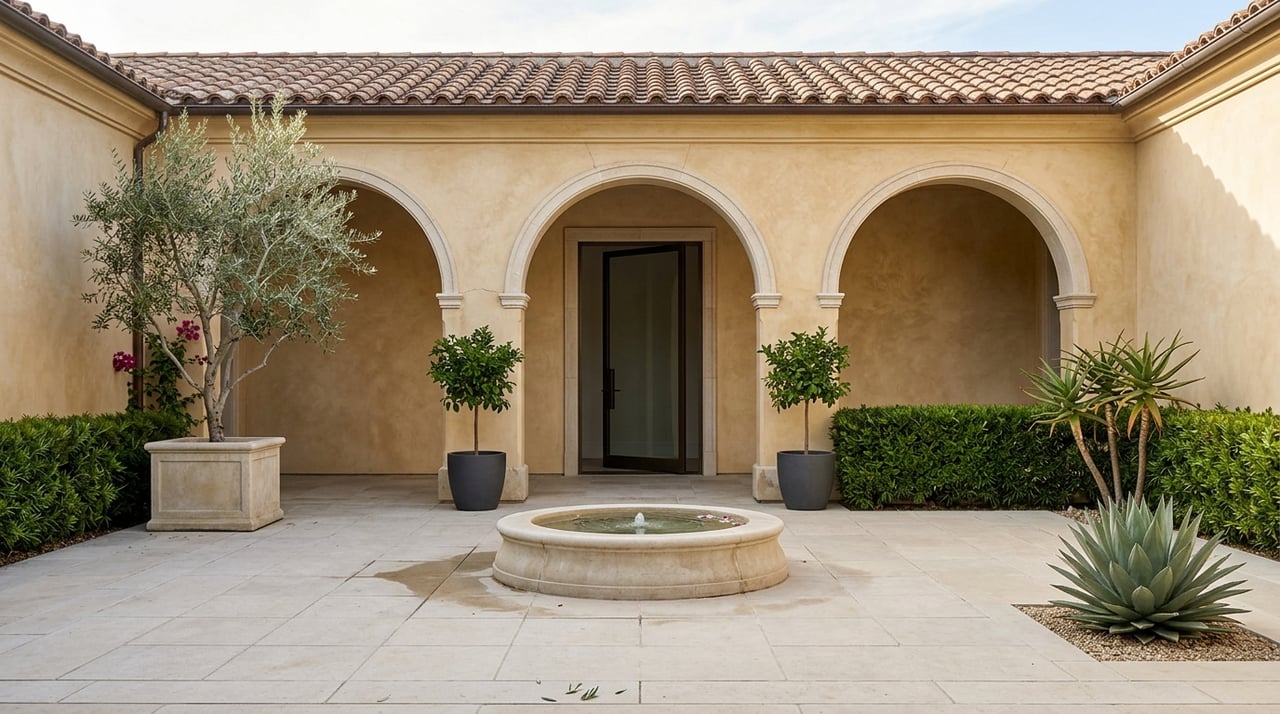
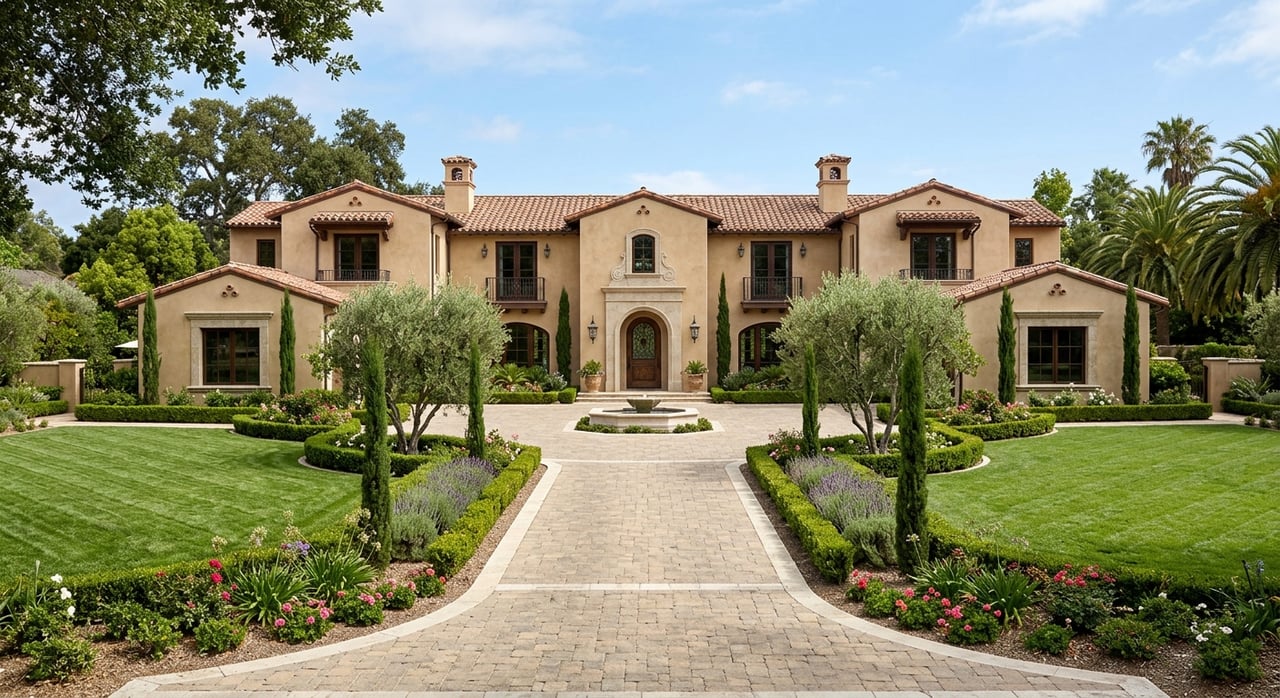
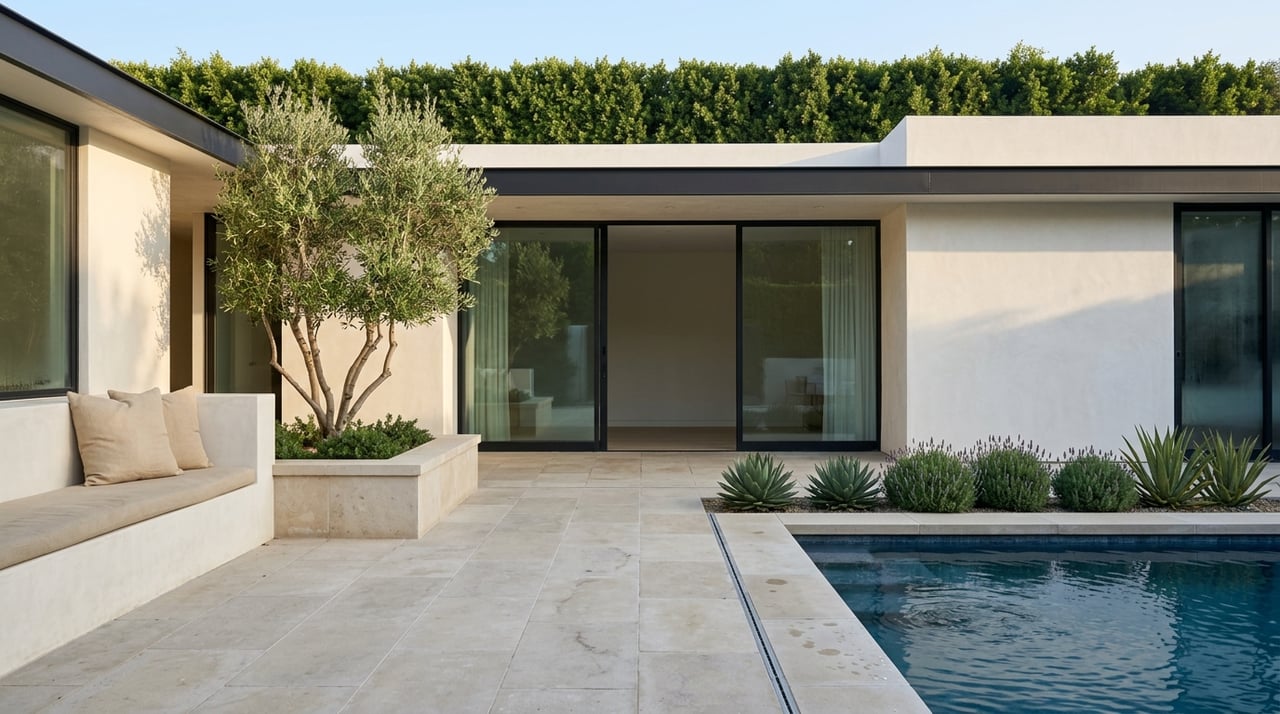
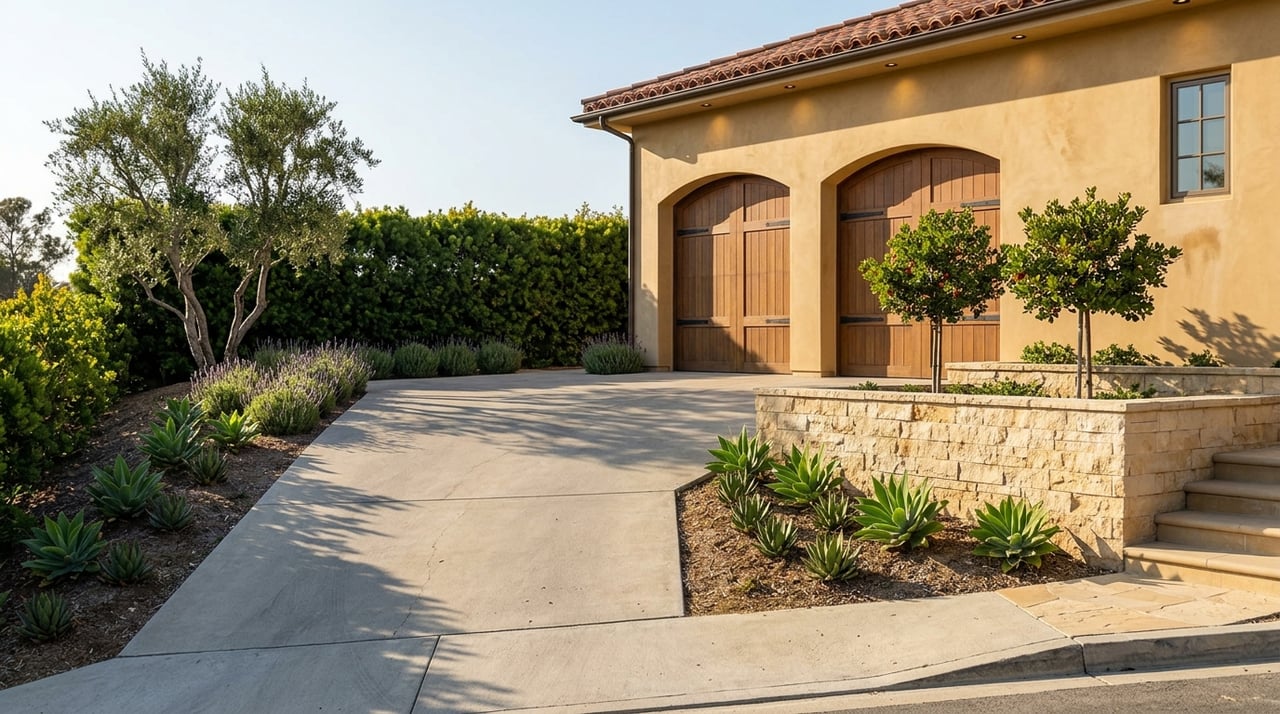
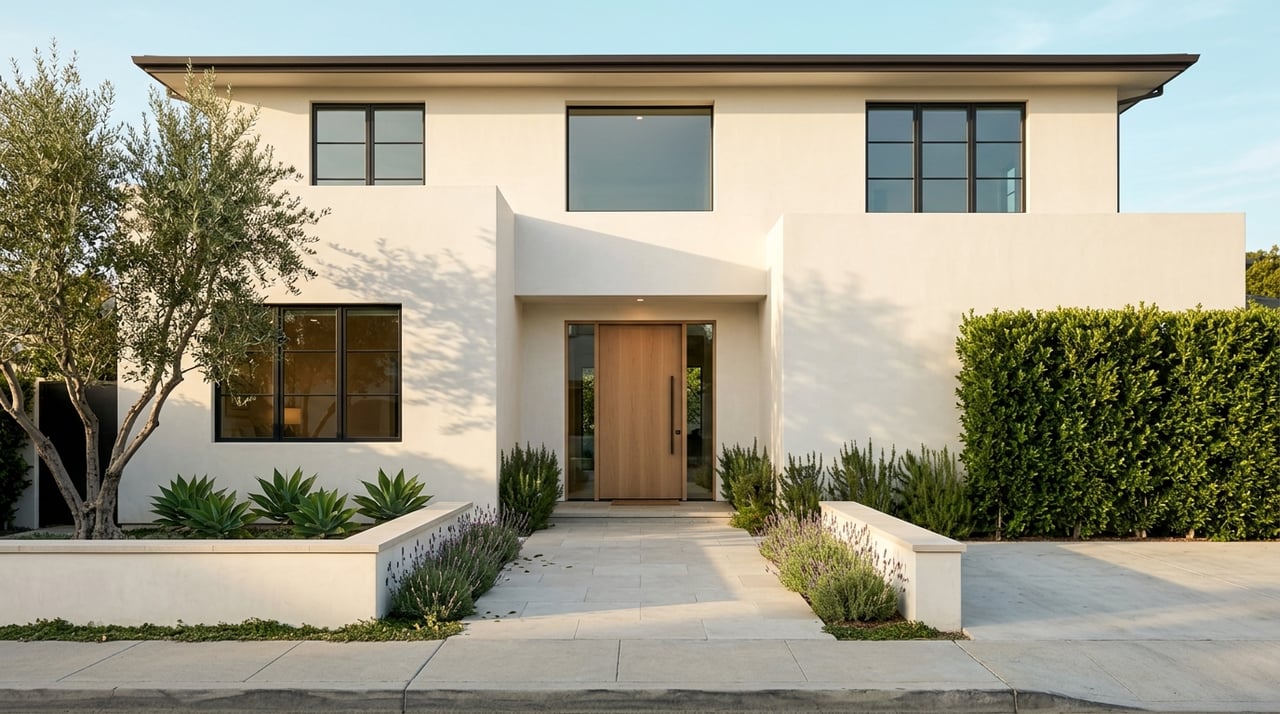
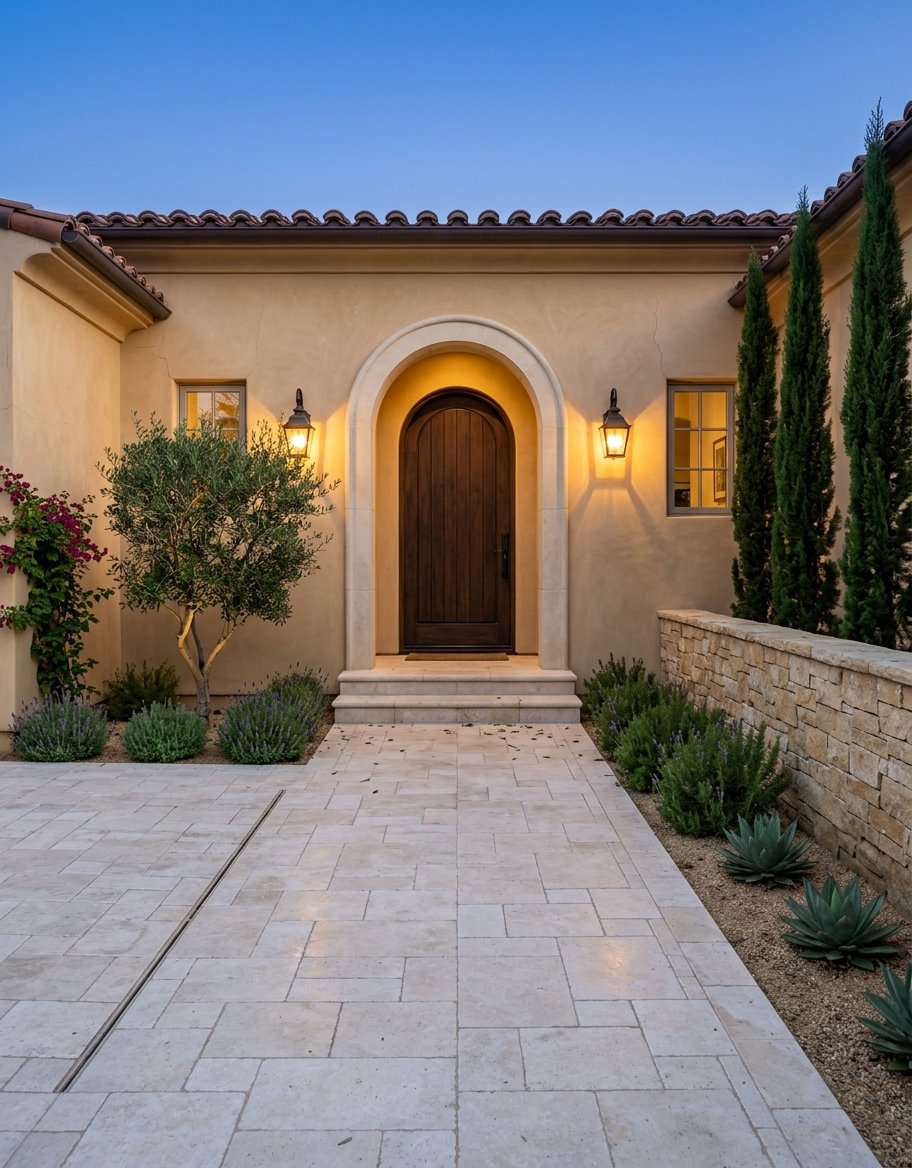
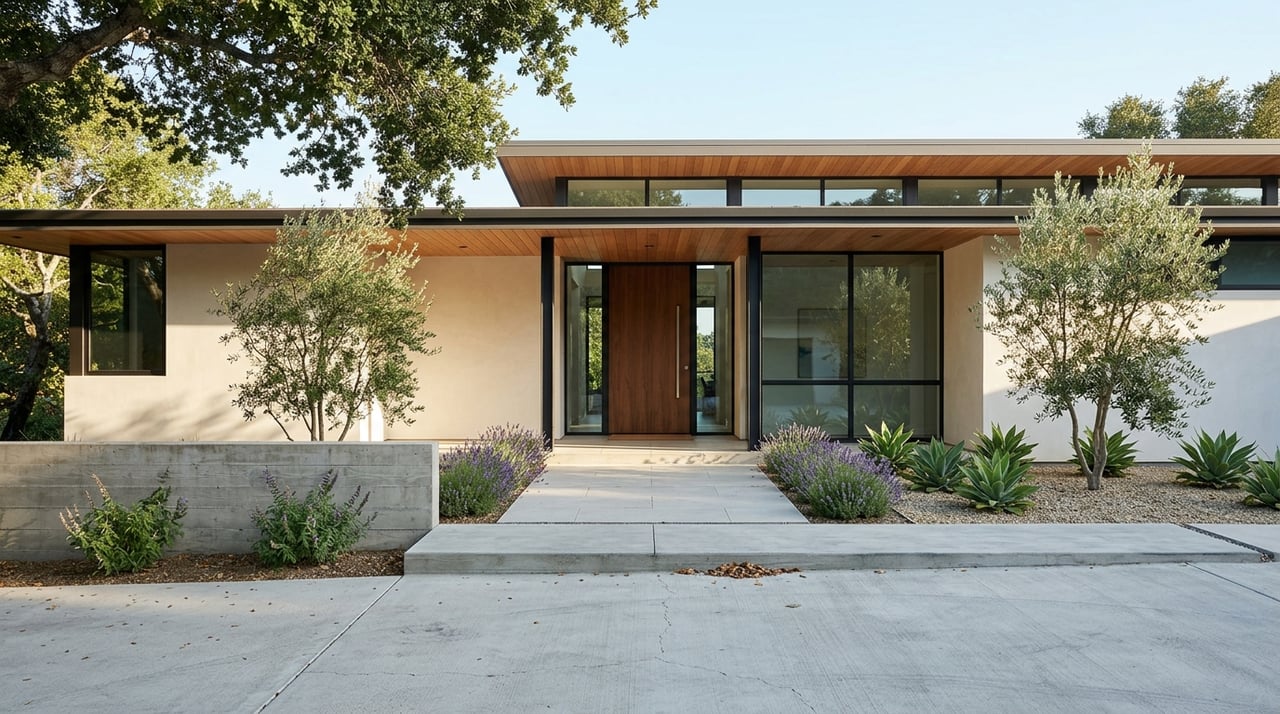
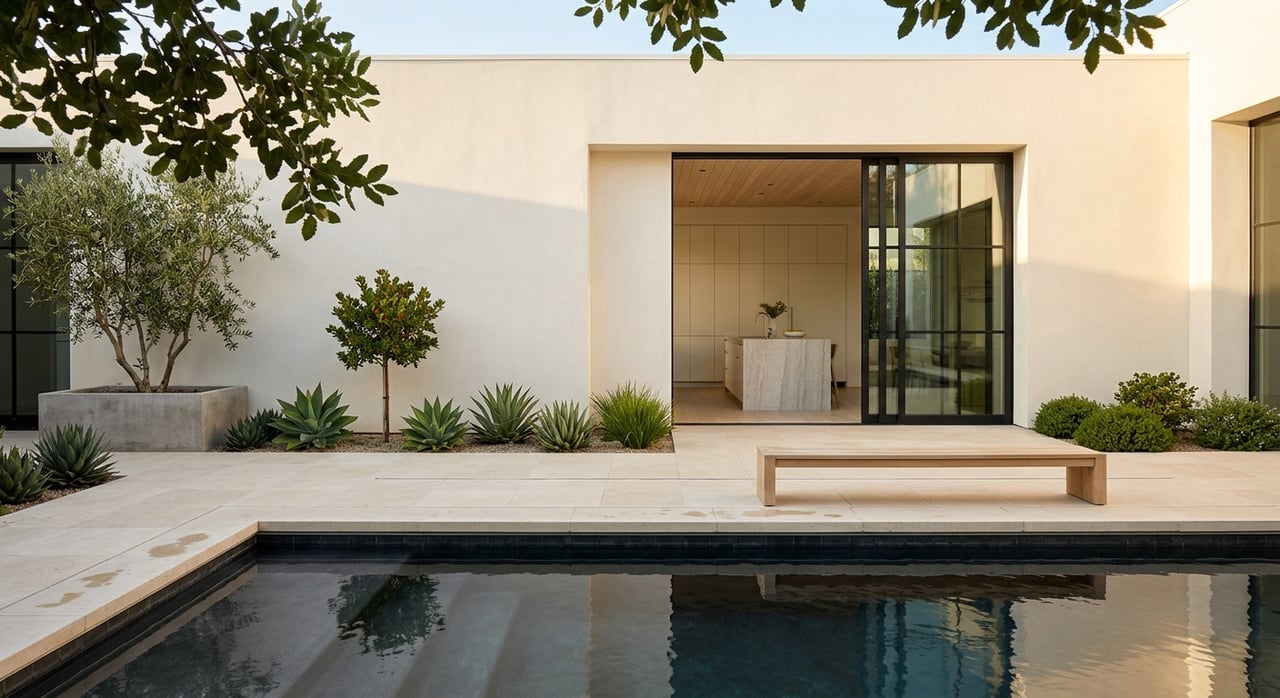
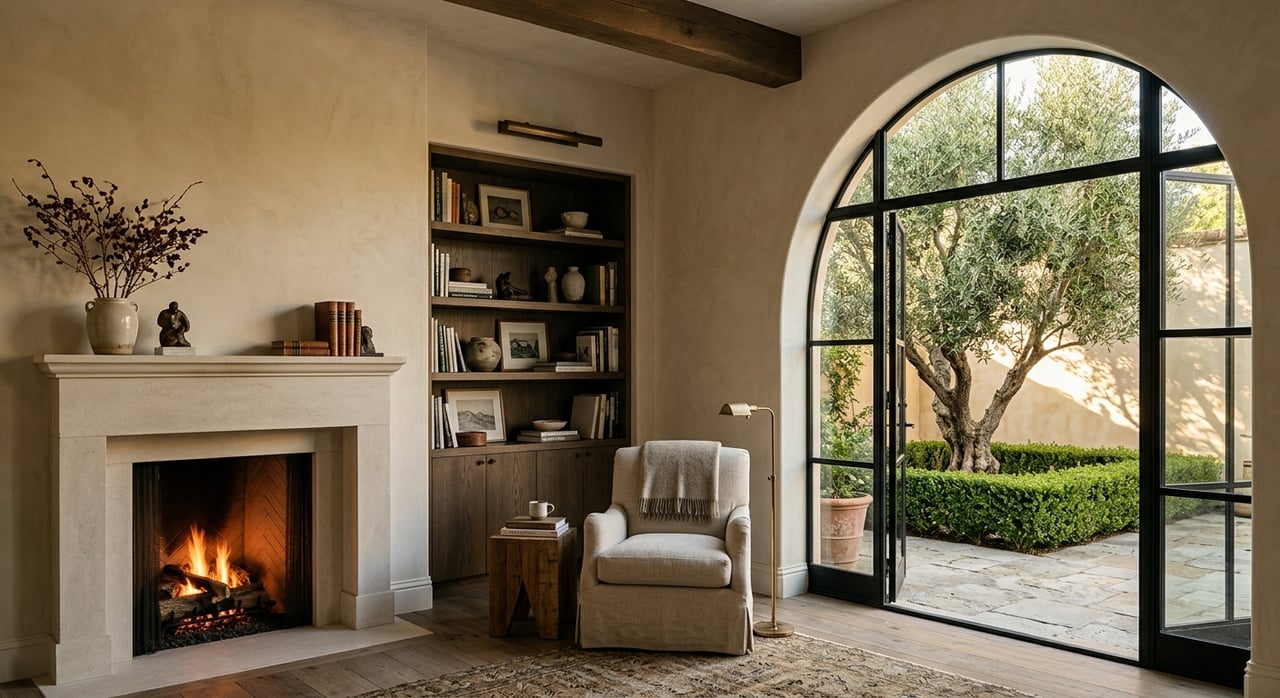
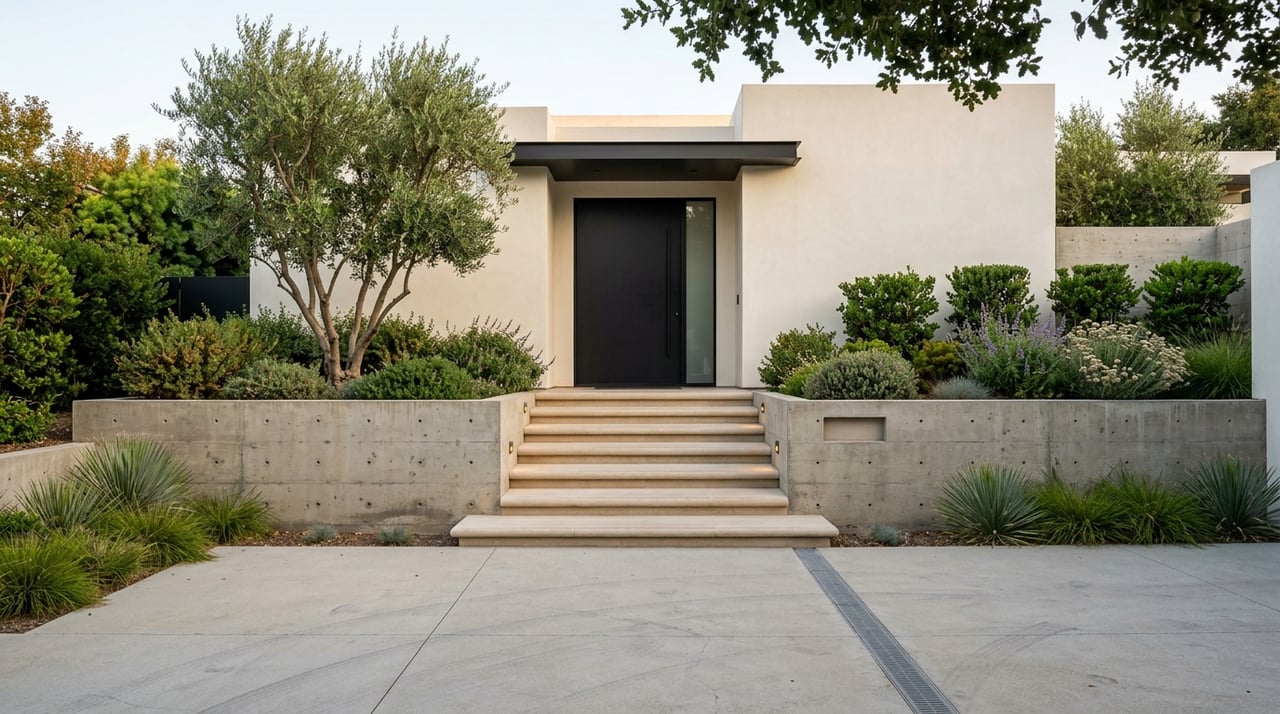
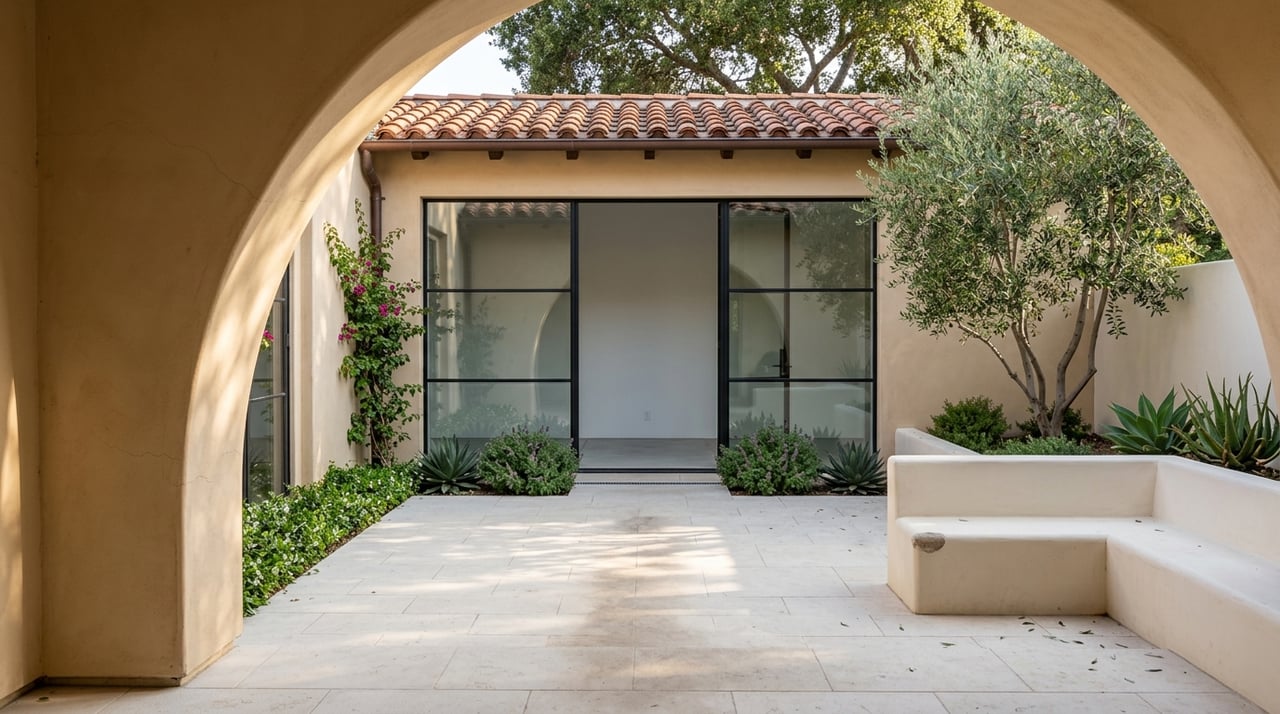
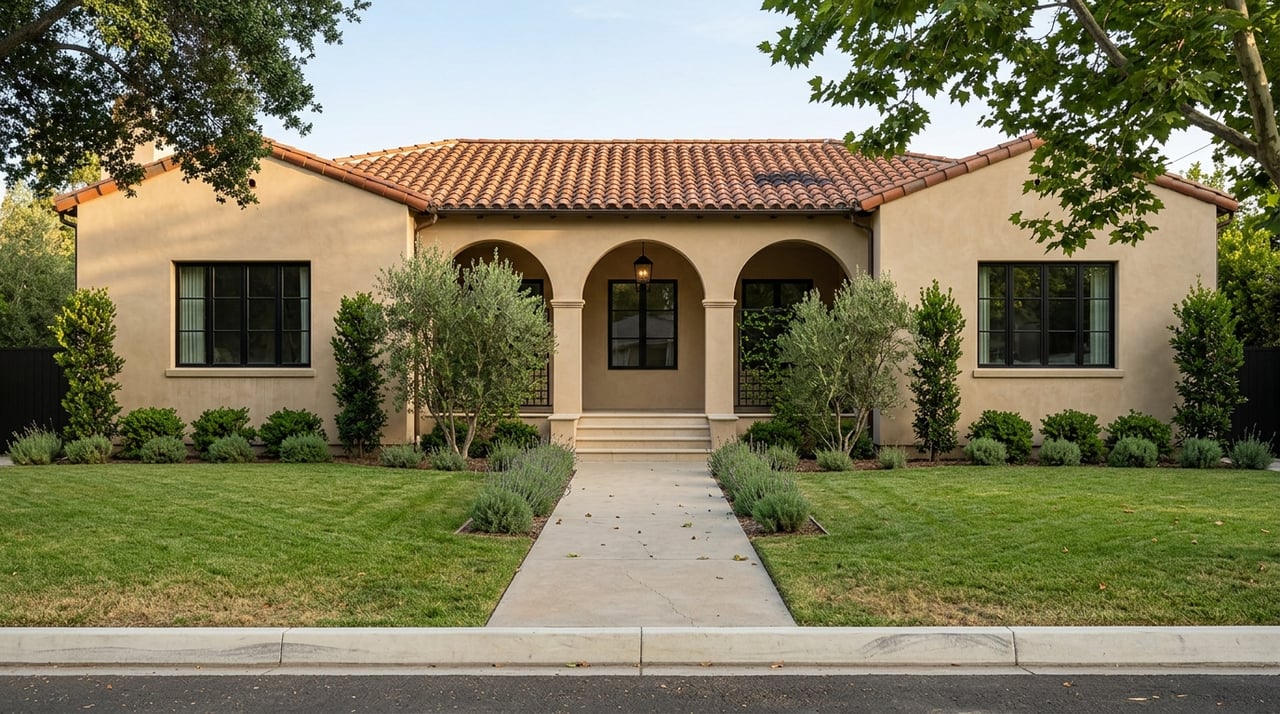
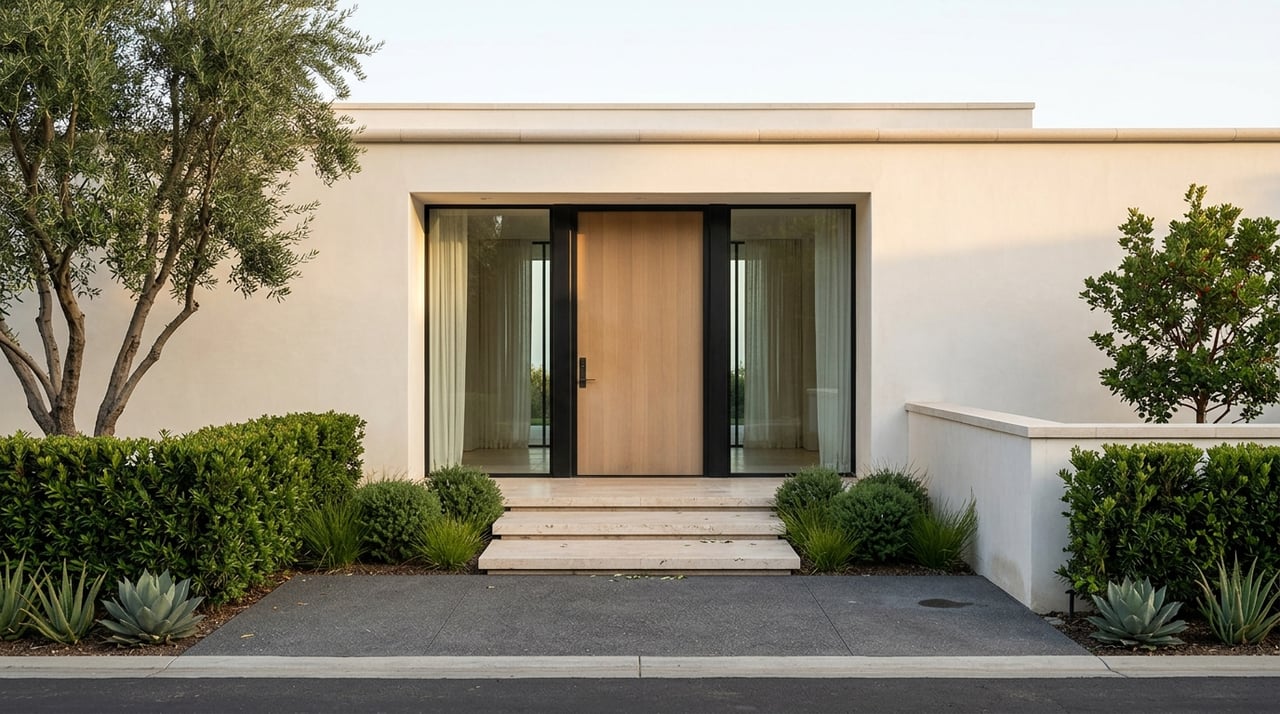
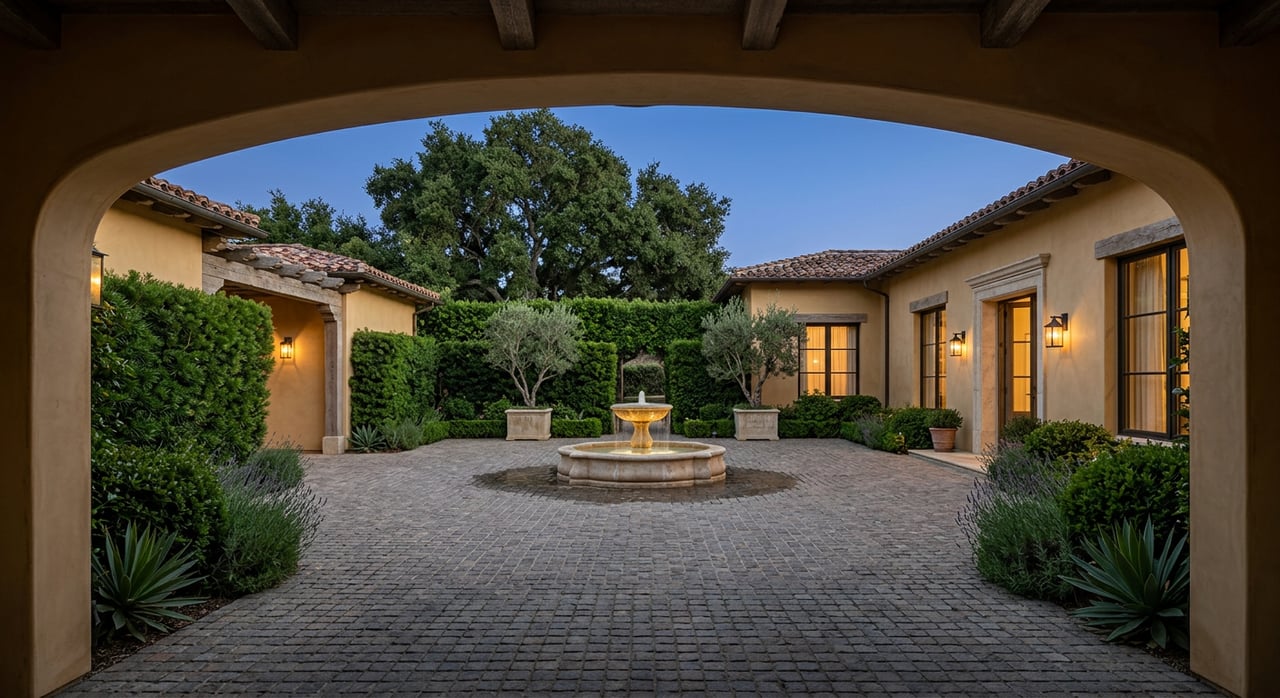
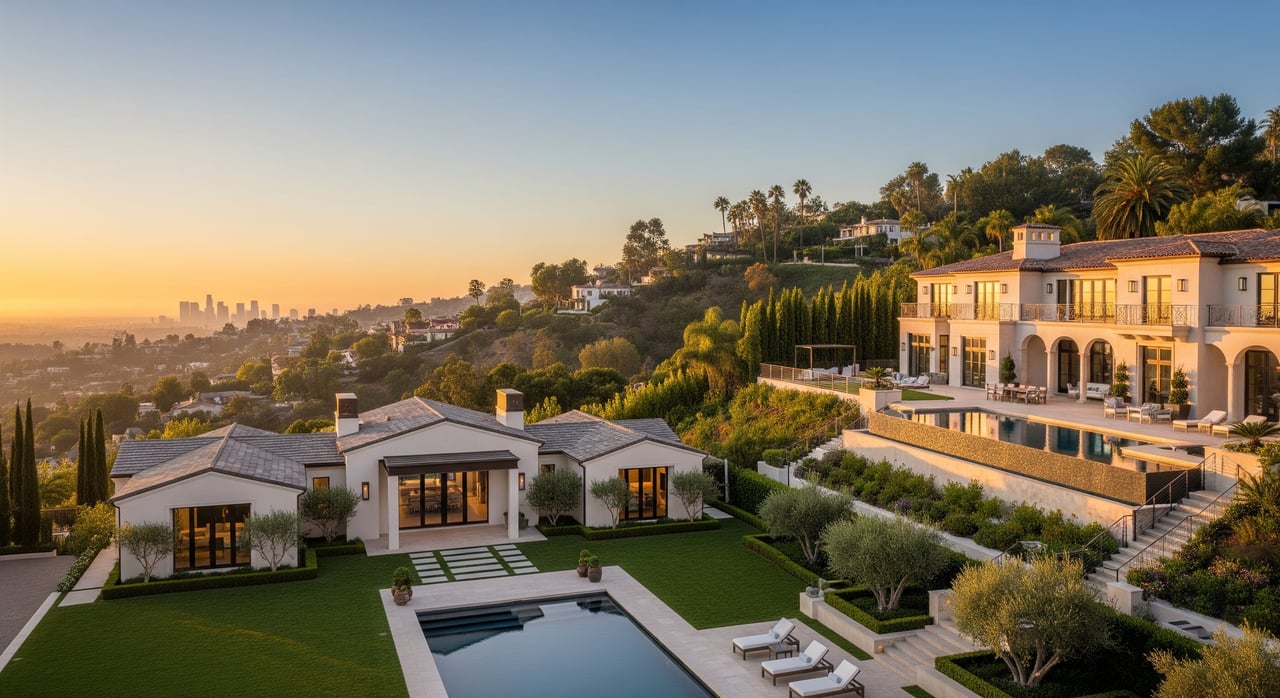
Architecturally, the housing stock is varied in a way that suits the canyon setting. Styles documented in the area include American Colonial Revival, Spanish Colonial Revival, Tudor Revival, French Revival, Mediterranean Revival, Mid-Century Modern, and Ranch. For buyers, that means you may find anything from a classic hillside traditional to a design-forward modern home depending on the street, lot, and orientation.
Why Site and Design Matter Here
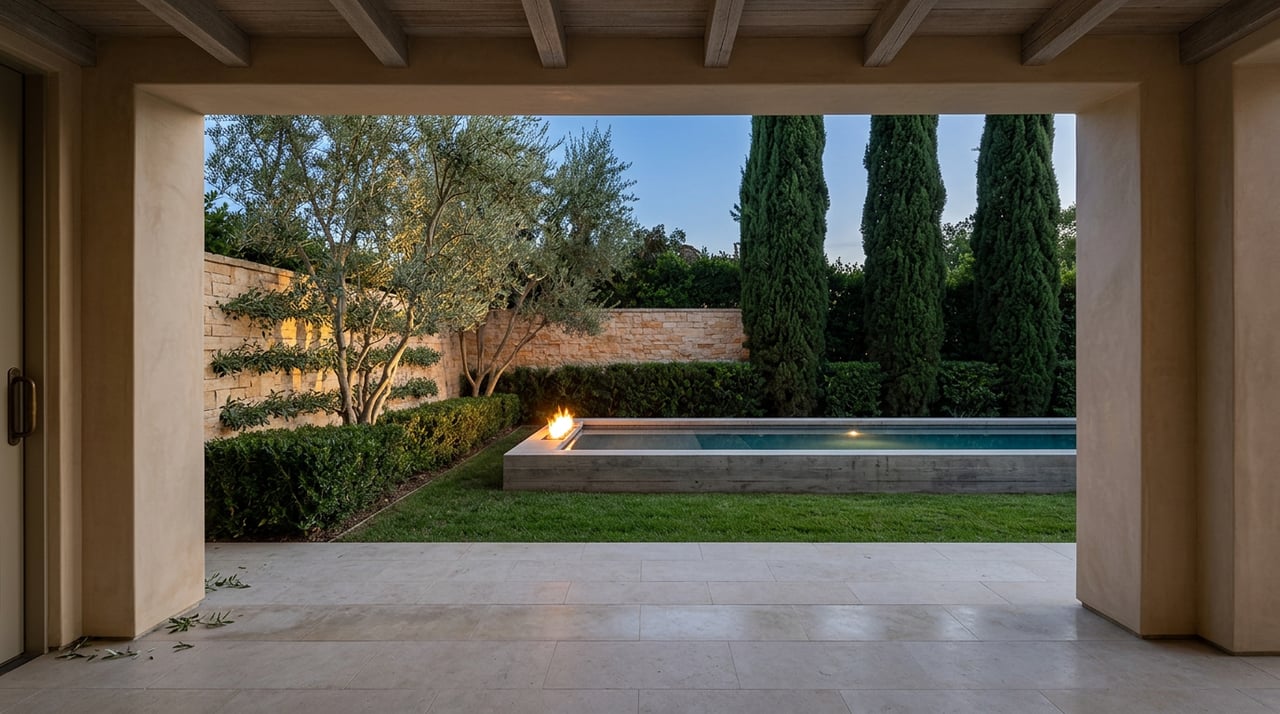
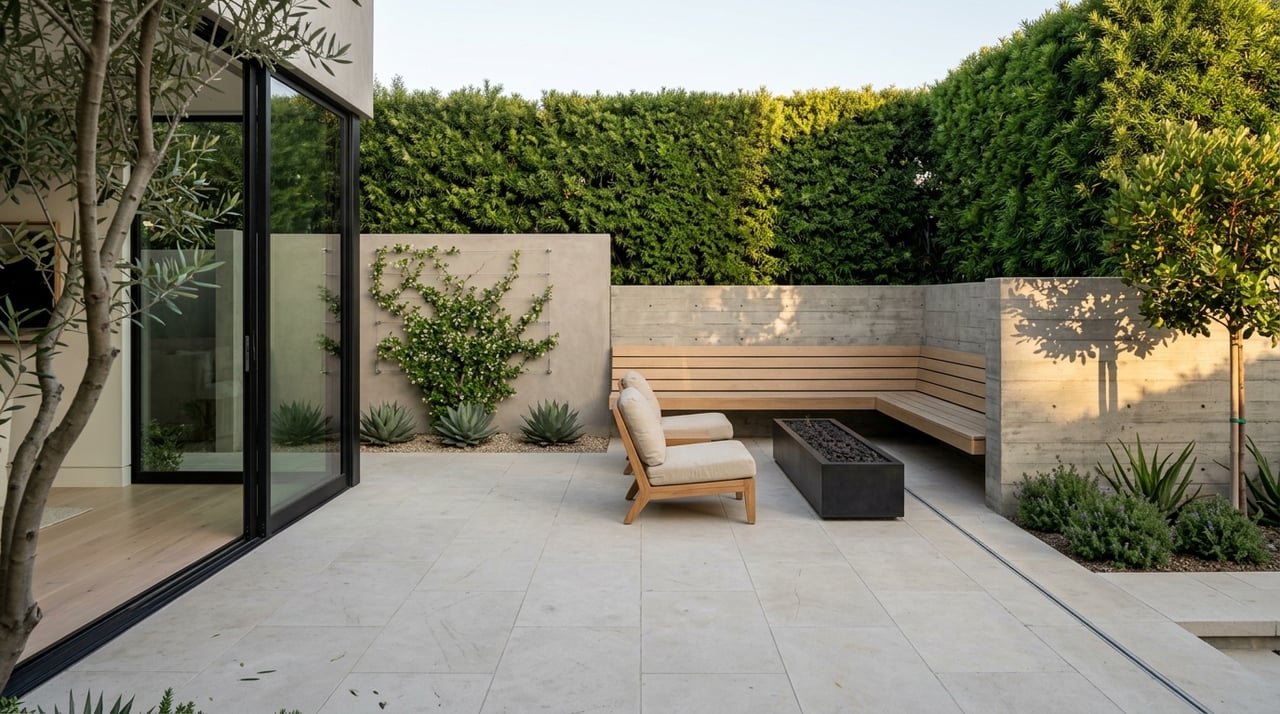
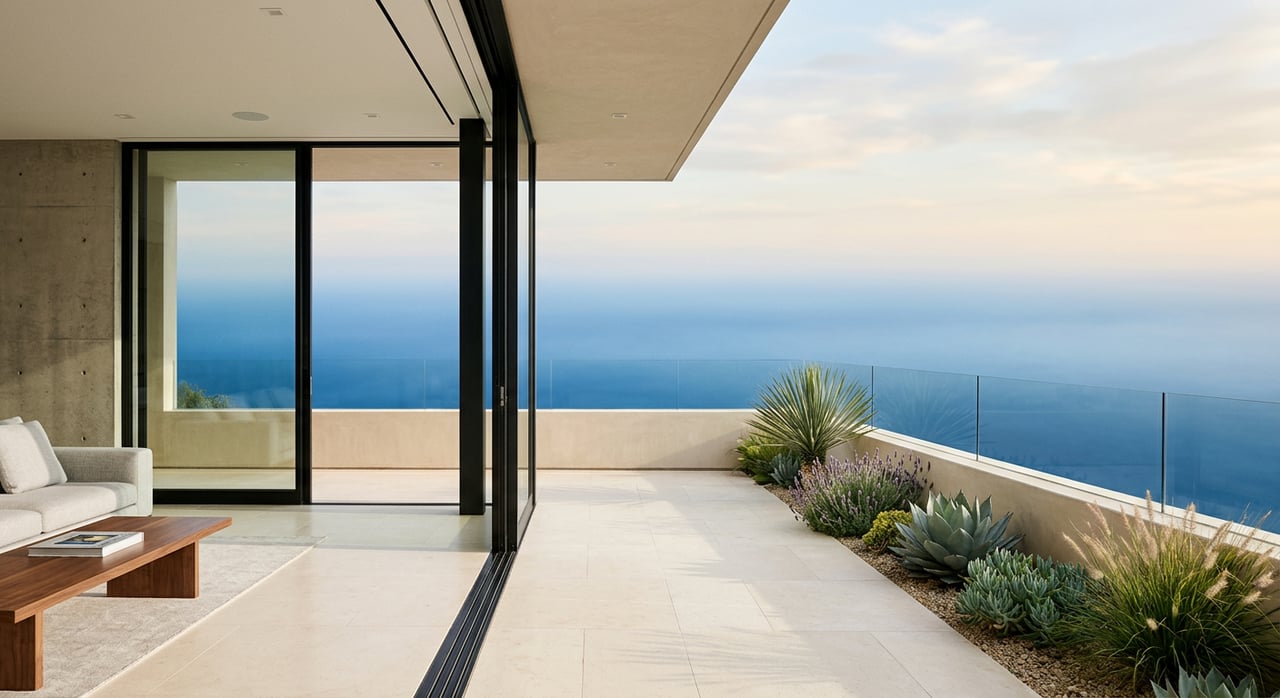
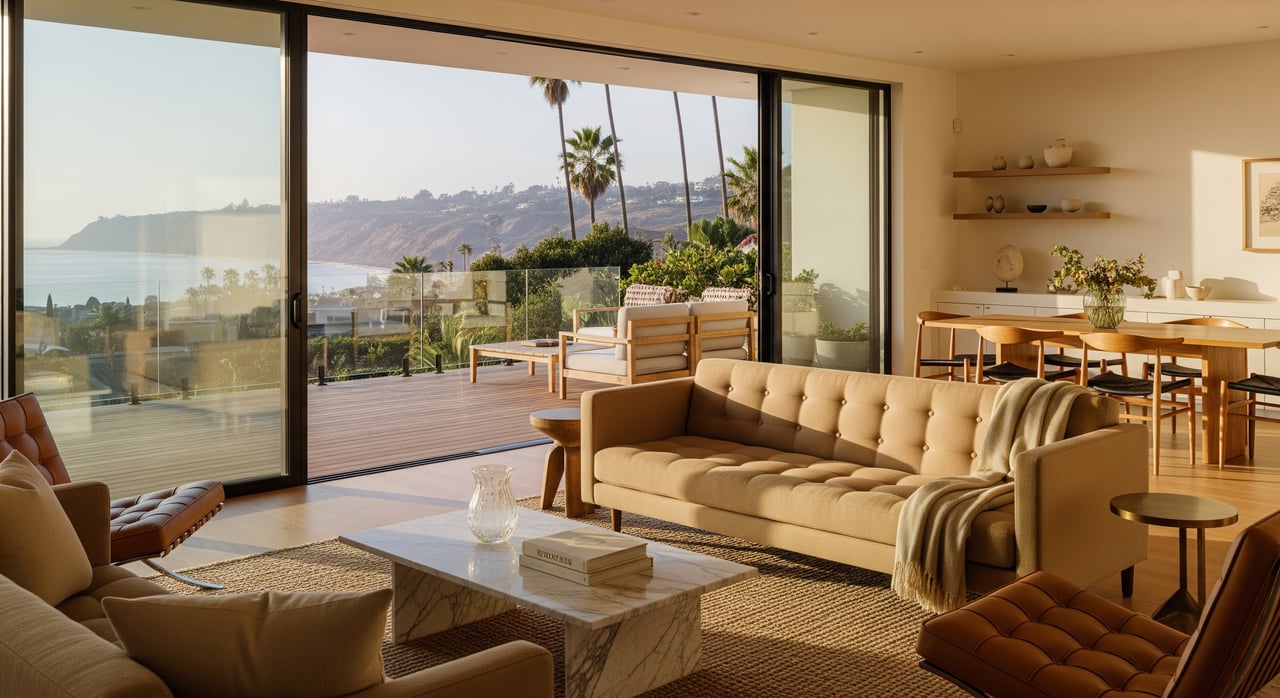
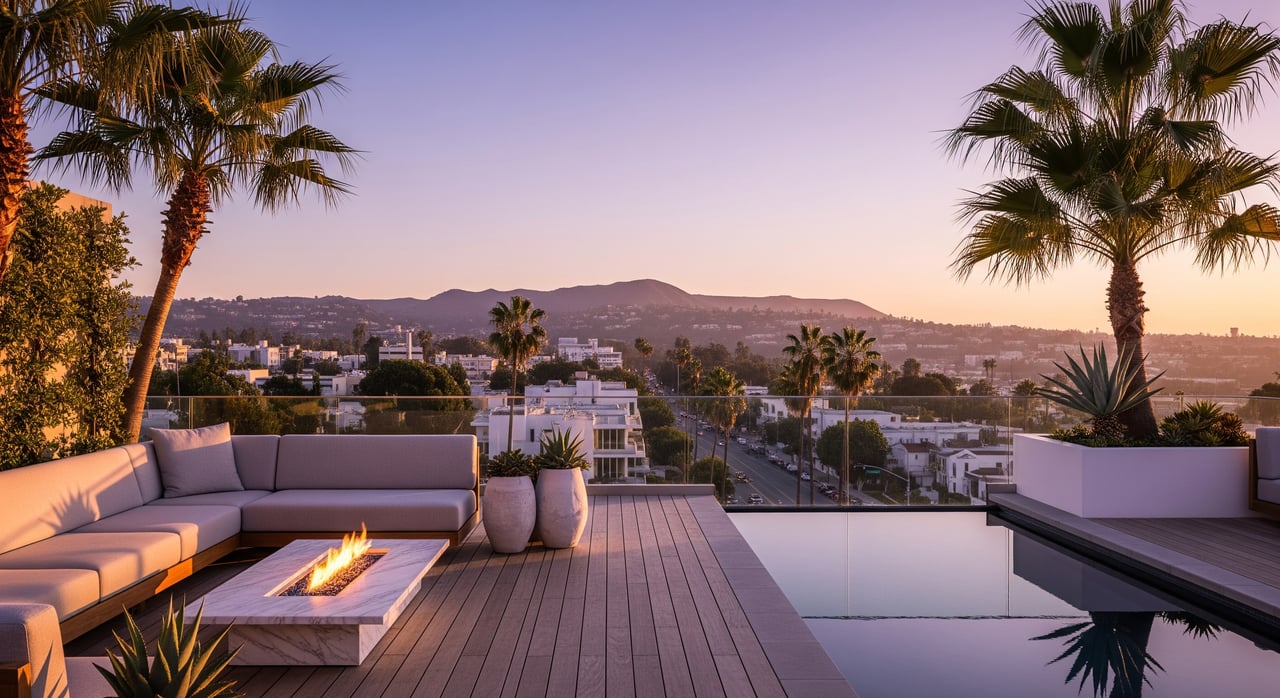
In Laurel Hills, the lot can matter just as much as the home itself. Because streets and parcels follow the hillside, many properties are designed around rear-facing views, outdoor living areas, and privacy rather than a formal front-facing street presence.
This is one reason architecture plays such a central role in the neighborhood. A well-positioned home can take full advantage of canyon vistas, mature landscaping, and natural light in ways that are harder to replicate in more conventional subdivisions.
SurveyLA also notes that some larger properties in the broader area function more like estates, with features such as guest houses, pool houses, garages, and landscaped grounds. If you are evaluating homes here, it helps to look beyond square footage and pay close attention to siting, access, and how the structure relates to the land.
Privacy and Access Can Coexist
A common question about Laurel Hills is whether the secluded feel comes at the cost of convenience. In many cases, that balance is part of the appeal.
SurveyLA notes the importance of Mulholland Drive as an east-west route across the canyon area, with connections to major canyon roads including Laurel Canyon. The city’s planning framework also places the neighborhood within a larger hillside corridor linked to Sunset Boulevard, the I-405, and routes leading toward Studio City and Hollywood.
For you as a buyer, this means Laurel Hills can offer a retreat-like setting while still providing practical access to the Westside and entertainment centers. That location profile helps explain why the area attracts a mix of buyers looking for privacy without complete isolation.
Outdoor Access Adds to Daily Life
Life in Laurel Hills is closely tied to the outdoors. The nearby Santa Monica Mountains National Recreation Area preserves a major urban mountain landscape with steep canyons and Mediterranean habitat, reinforcing the sense that you are living beside open space rather than simply in a residential district.
Nearby park access also supports an active lifestyle. MRCA’s Wilacre Park and Fryman Canyon Park offer access to the Betty B. Dearing Trail and connections toward Coldwater Canyon and Franklin Canyon. For many buyers, that kind of proximity to trails and natural scenery is a meaningful part of the neighborhood’s value.
Schools Near Laurel Hills
If schools are part of your home search, it is important to keep expectations precise. LAUSD specifically advises families to verify assignment and application eligibility by exact address using the official LAUSD School Finder, which is especially relevant in canyon areas where attendance patterns can vary by street and grade level.
Nearby public school options that may be relevant include Wonderland Ave Elementary and Gifted Magnet, Carpenter Community Charter, Laurel Cinematic Arts & Creative Technologies Magnet, Emerson Community Charter, and John Marshall High School. The best way to approach schools in Laurel Hills is to use these as examples of nearby options, then confirm what applies to a specific property.
Who Laurel Hills Appeals To
Laurel Hills tends to resonate with buyers who want more than a standard neighborhood experience. Some are drawn to the area’s music and entertainment history. Others respond to architecturally interesting homes, private hillside settings, and the possibility of outdoor space with canyon views.
The neighborhood can also appeal to buyers who want a quieter residential setting with access to public school options and nearby trails. At the same time, professionals and executives often appreciate the combination of privacy, scenery, and connectivity to larger employment and lifestyle centers across Los Angeles.
Why Buyers Explore Laurel Hills Homes
When you compare Laurel Hills to other Los Angeles neighborhoods, its appeal usually comes down to a few core strengths:
- Leafy hillside setting inside the city
- Creative identity shaped by Laurel Canyon’s cultural history
- Predominantly single-family homes with architectural variety
- View-oriented lots and strong privacy potential
- Access to trails and open space nearby
- Connectivity to the Westside, Studio City, and entertainment hubs
For buyers who value setting, design, and neighborhood character, Laurel Hills offers a combination that is increasingly hard to find.
Final Thoughts on Laurel Hills
Laurel Hills is not simply another hillside pocket in Los Angeles. It is a neighborhood shaped by canyon topography, scenic preservation, architectural variety, and a creative legacy that still influences how the area feels today. If you are looking for a home that offers privacy, natural beauty, and a deeper sense of place, Laurel Hills is well worth considering.
If you would like thoughtful guidance on Laurel Hills and other premier Westside and hillside neighborhoods, connect with Steve Frankel for discreet, expert insight tailored to your goals.
FAQs
Is Laurel Hills the same as Laurel Canyon?
- Laurel Hills is a distinct neighborhood name, but it is commonly discussed as part of the broader Laurel Canyon hillside, while the City of Los Angeles places it within the Bel Air-Beverly Crest Community Plan area.
What types of homes are common in Laurel Hills Los Angeles?
- Most homes in Laurel Hills are single-family residences, with styles in the broader area including Spanish Colonial Revival, Mediterranean Revival, Mid-Century Modern, Ranch, Tudor Revival, and other traditional revival styles.
Are Laurel Hills homes known for views and privacy?
- Yes, many homes are shaped by hillside lots, which often favor rear-facing views, private outdoor space, and a more secluded feel.
How do you verify school options for a Laurel Hills address?
- Use the official LAUSD School Finder to check the exact property address, since school assignment and eligibility can vary depending on the street and grade level.
What outdoor amenities are near Laurel Hills?
- Nearby access points include Wilacre Park, Fryman Canyon Park, and trail connections within the broader Santa Monica Mountains landscape.
Why do buyers consider Laurel Hills in Los Angeles?
- Buyers are often drawn to the neighborhood’s natural setting, architectural variety, creative history, privacy, and convenient access to both the Westside and major Los Angeles destinations.