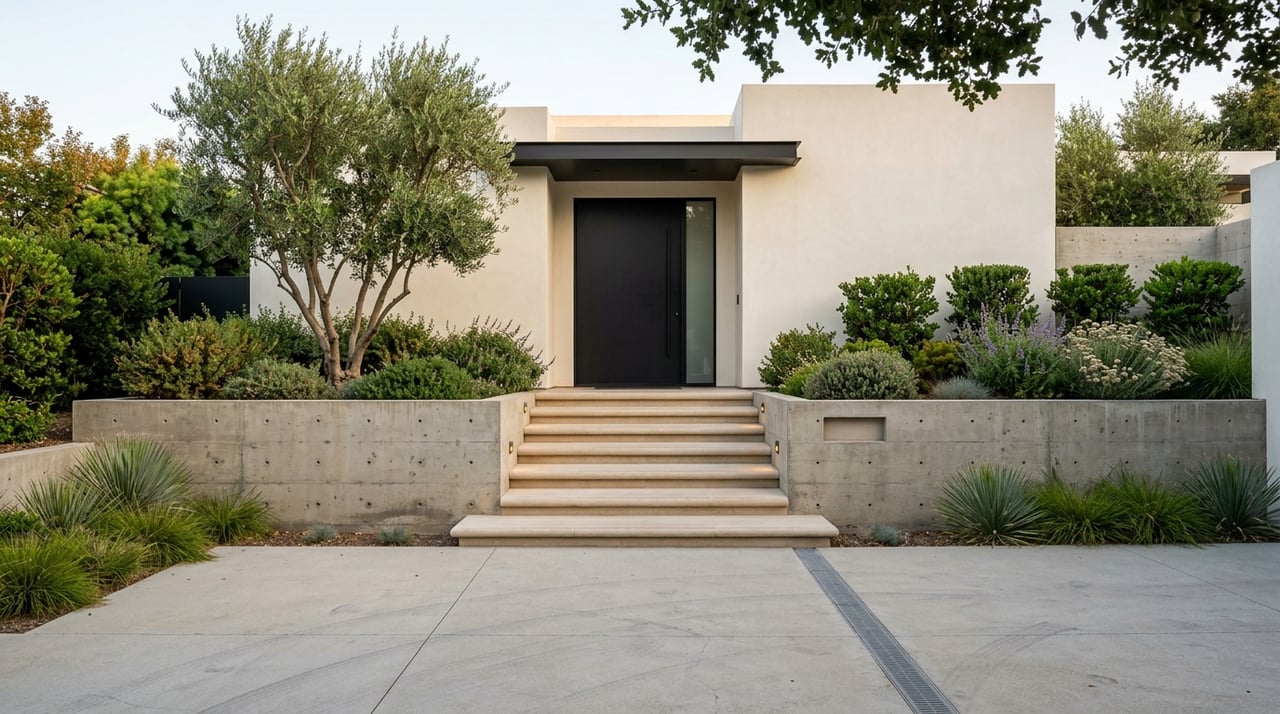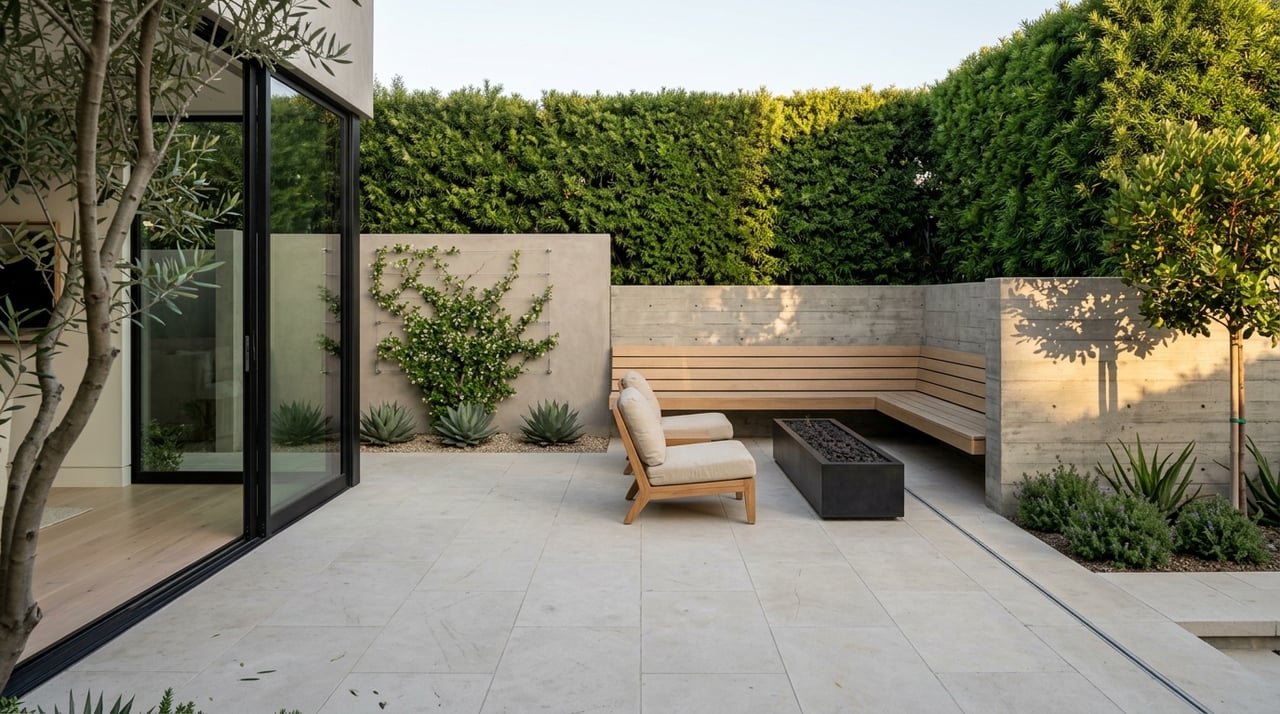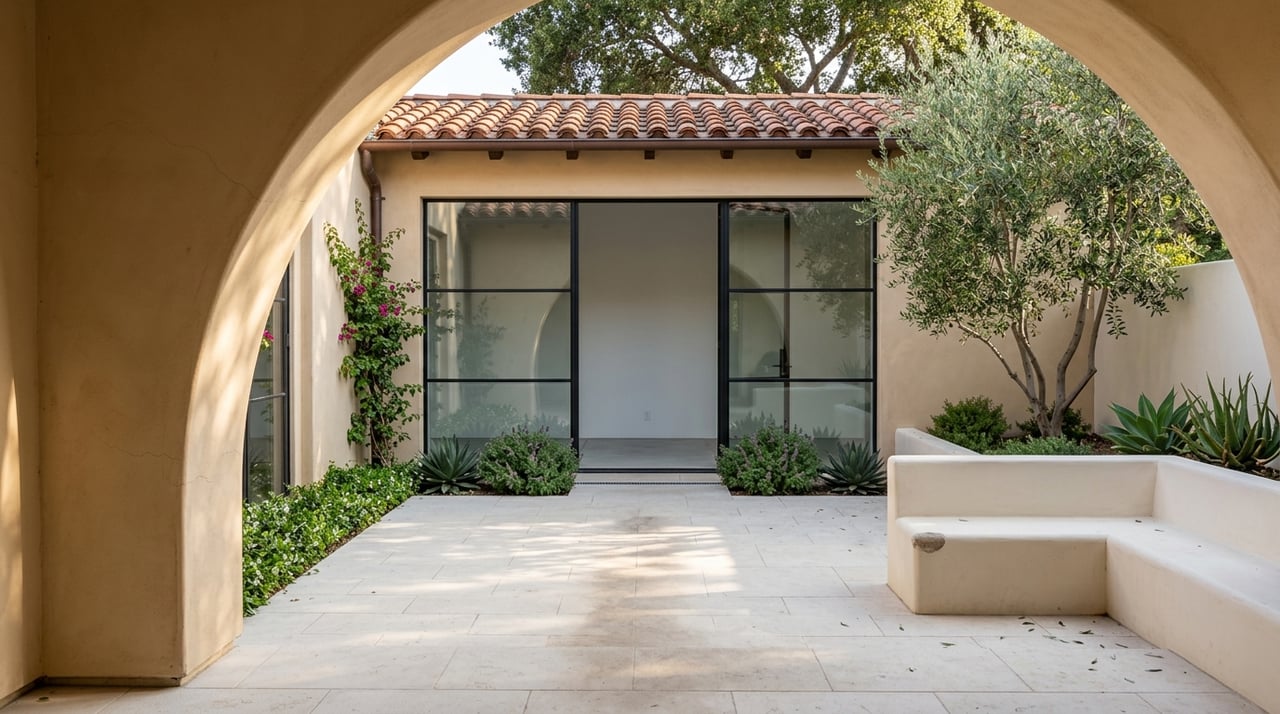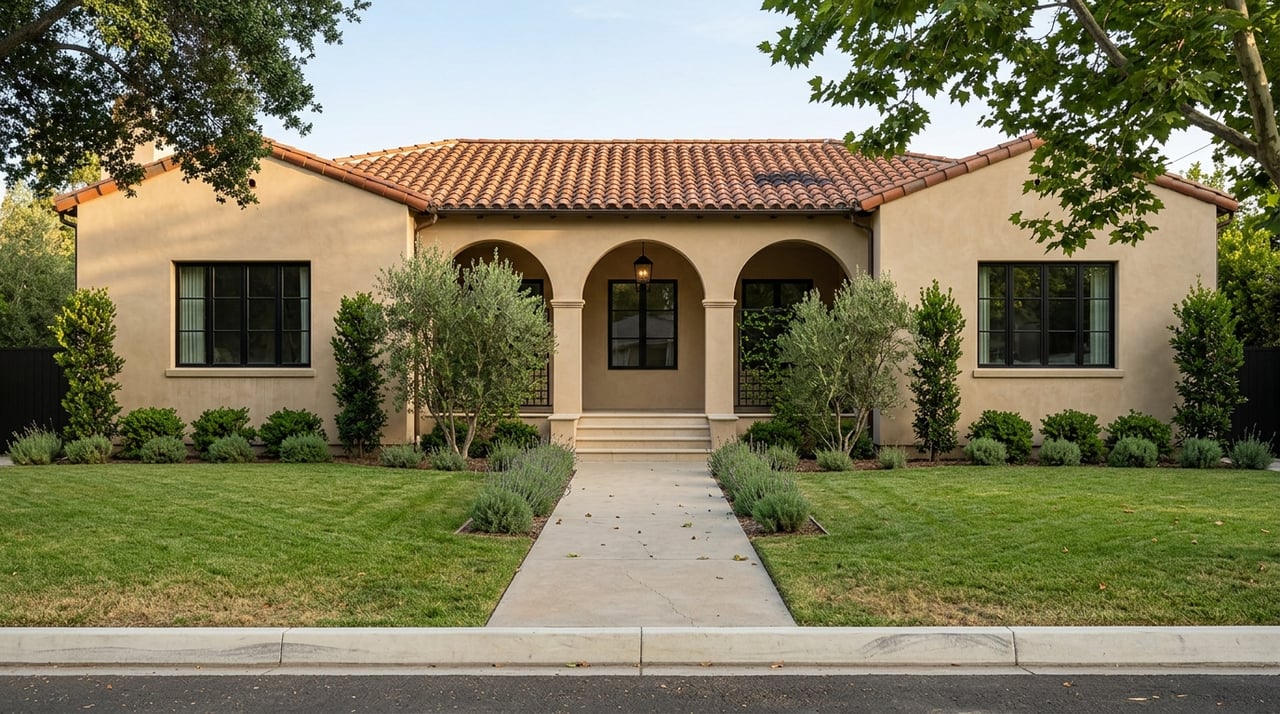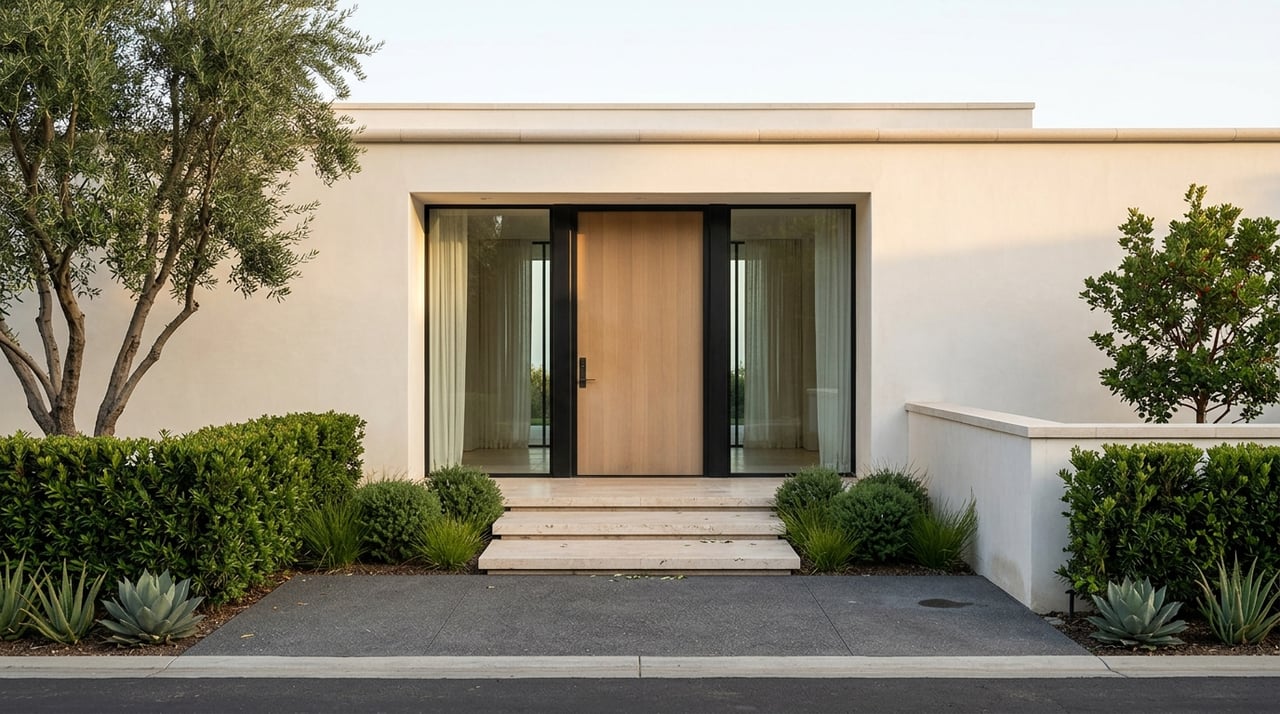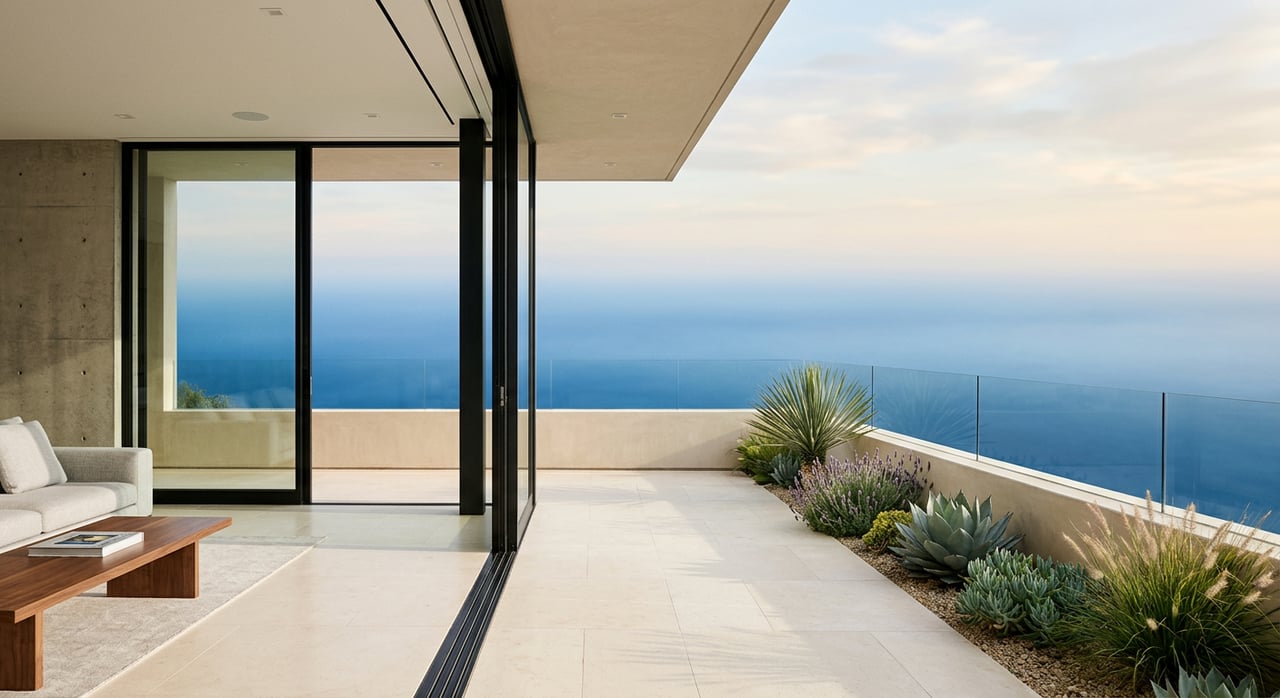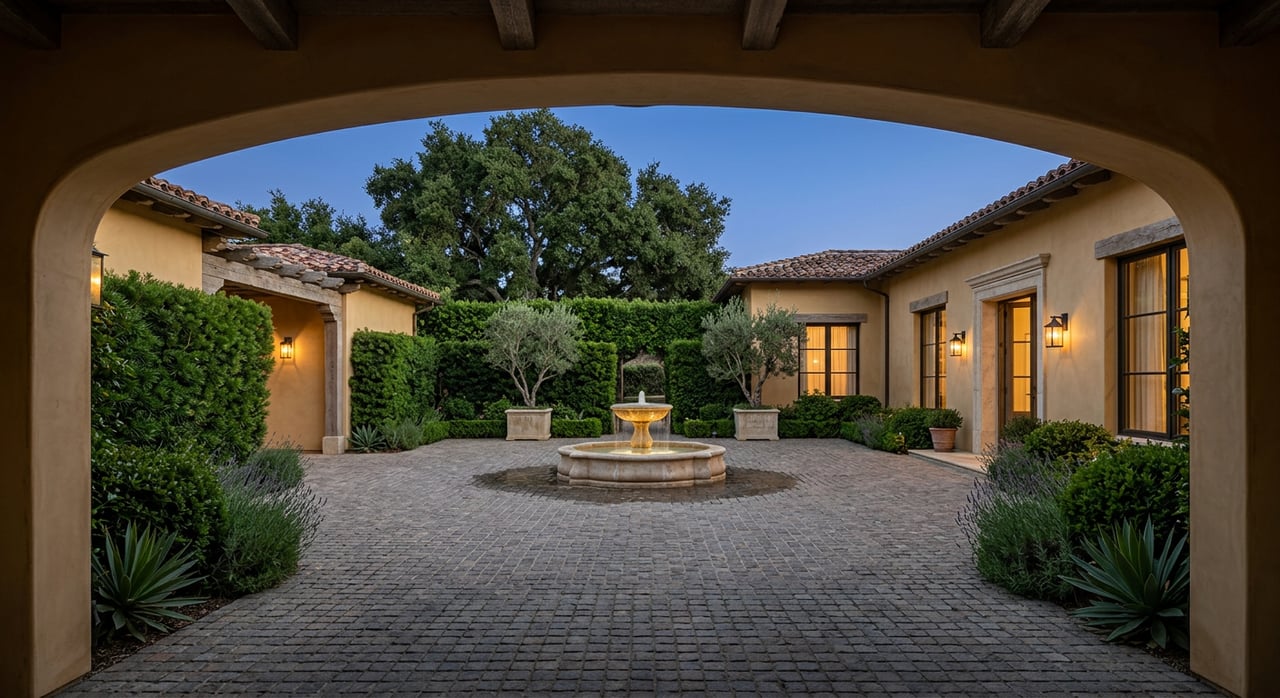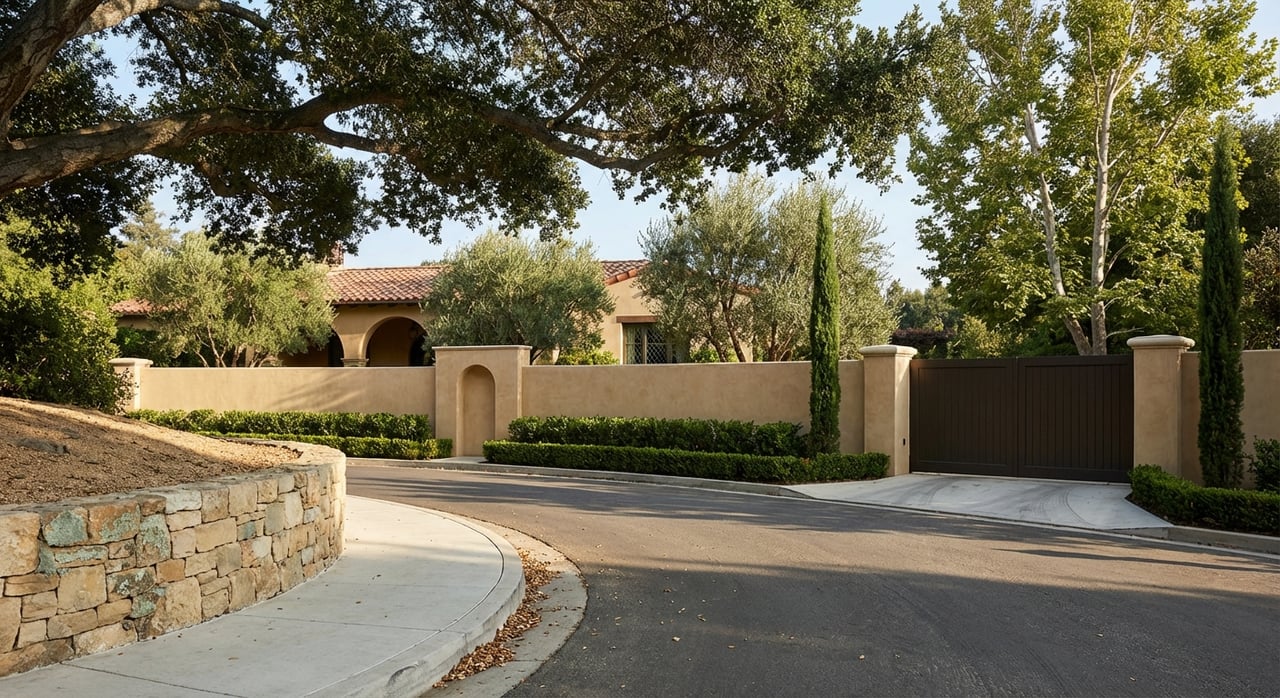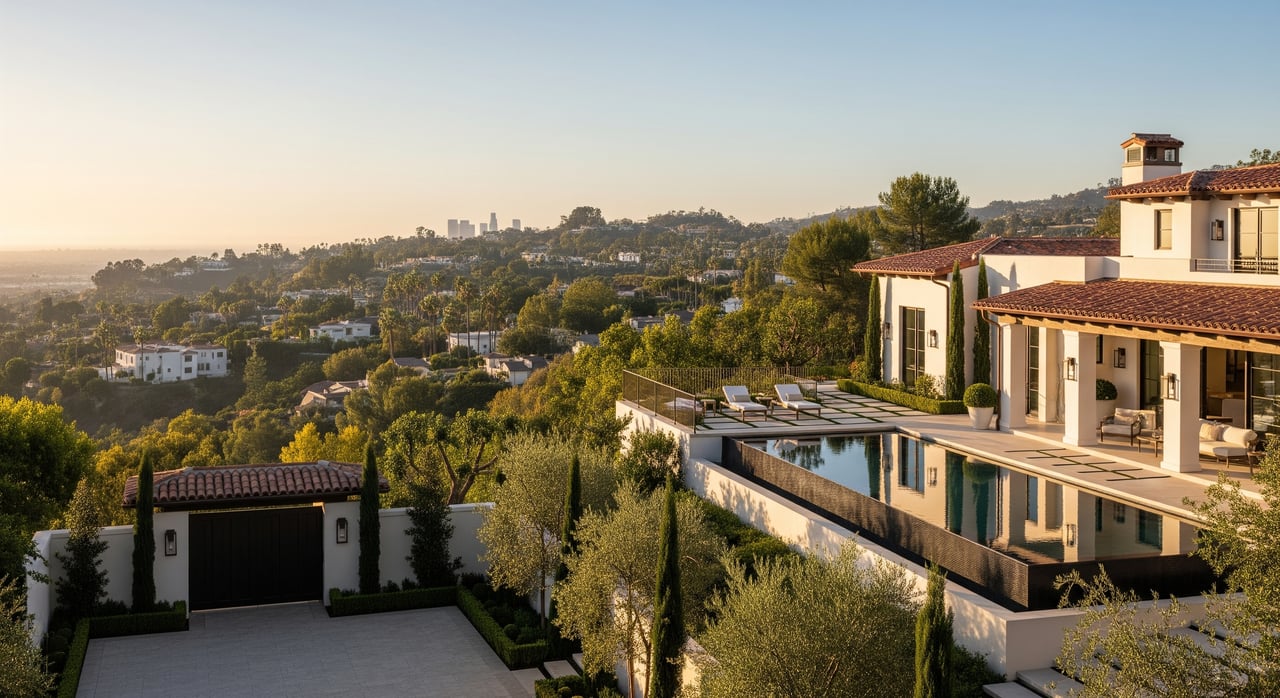
If you are relocating to the Westside, Santa Monica can look simple on a map and feel anything but simple once you start touring homes. In just 8.25 square miles, the city offers very different living experiences, from large-lot residential streets to oceanfront towers and walkable mixed-use districts. For a luxury buyer, that means the right fit often comes down to your exact block, commute pattern, and day-to-day priorities. Let’s dive in.
Why Santa Monica Feels So Different
Santa Monica is compact, but it is not one uniform luxury market. The city sits alongside Brentwood, Pacific Palisades, Venice, Mar Vista, and West Los Angeles, and it includes recognized micro-neighborhoods such as North of Montana, Wilshire Montana, Ocean Park, Sunset Park, Pico, Mid-City, and Northeast, according to the City of Santa Monica housing element.
That matters because neighborhood character, access patterns, and housing types can change quickly from one area to the next. If you are relocating for work, lifestyle, or a mix of both, Santa Monica rewards a more detailed search than broad neighborhood shorthand.
The city is also evolving. In 2024, Santa Monica reported more than 5,800 housing units approved, pending, or under construction, along with an adaptive reuse ordinance meant to support new housing in existing buildings. For buyers, that is a reminder to evaluate not only the home in front of you, but also the broader housing pipeline around it.
Match Lifestyle to Micro-Neighborhood
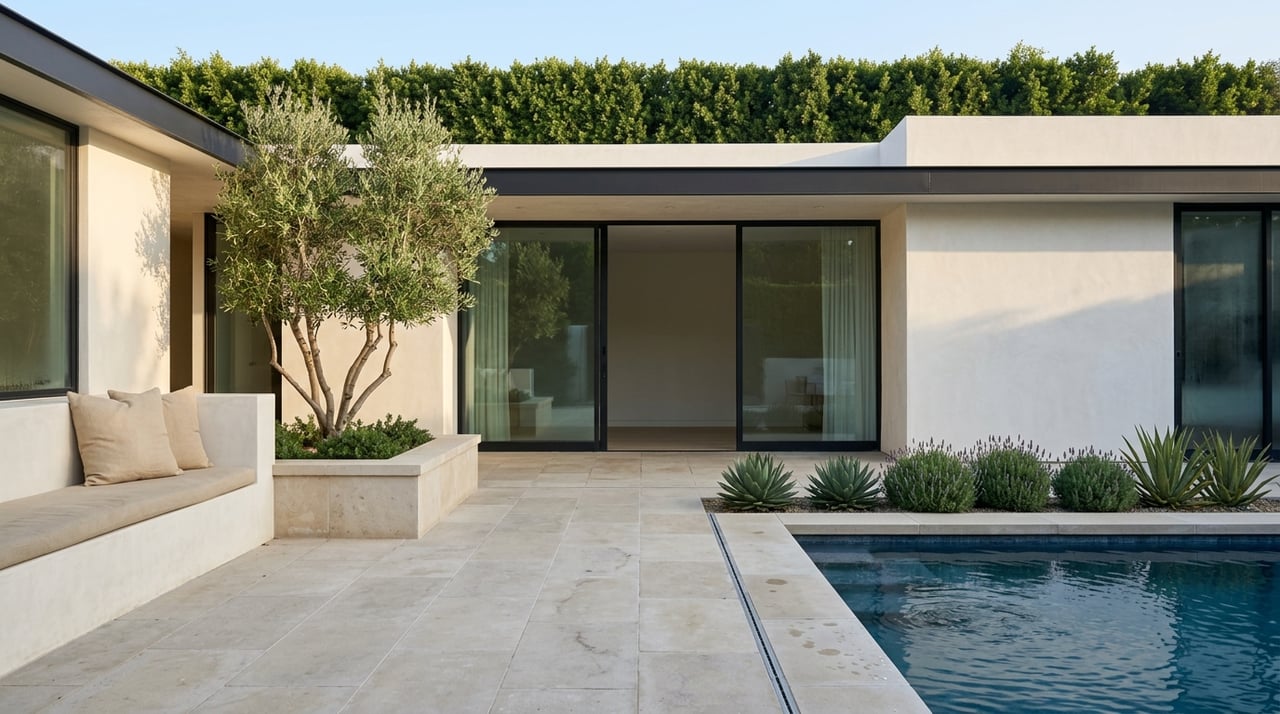
For most relocations, the smartest first step is to match your preferred lifestyle to the part of Santa Monica that supports it best. Luxury here is not one single product. It ranges from private single-family residences to lock-and-leave condominiums near the beach.
North of Montana for Privacy
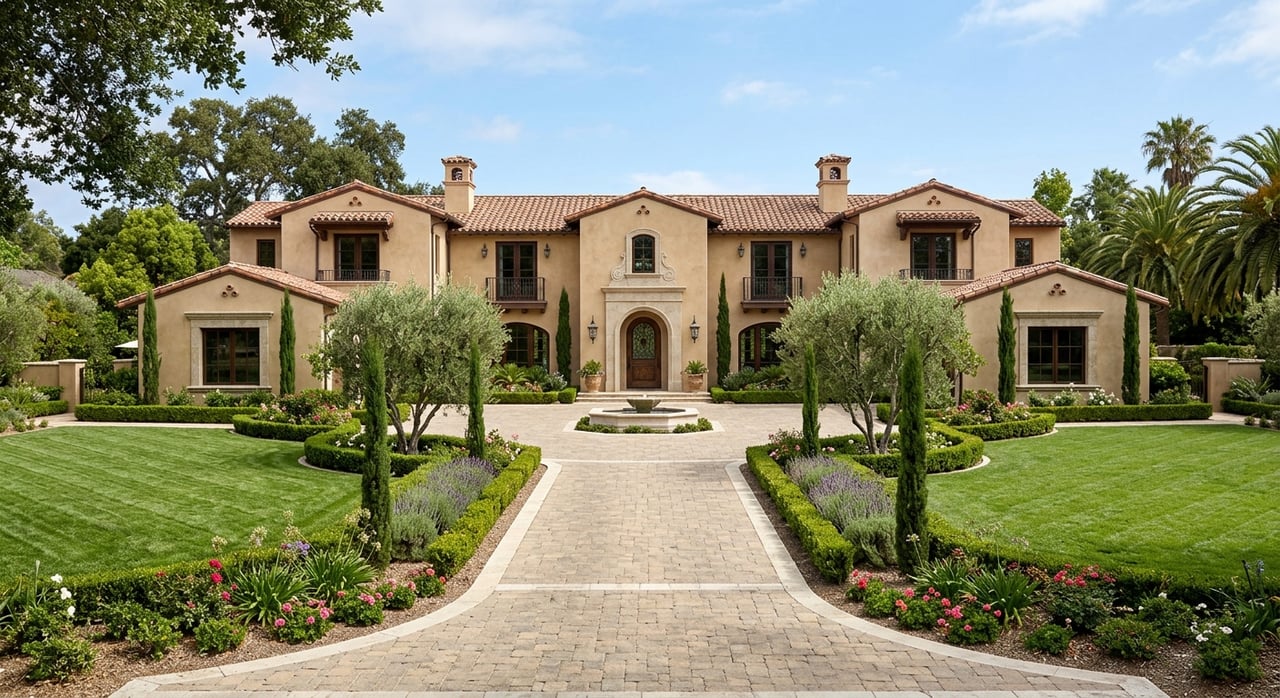
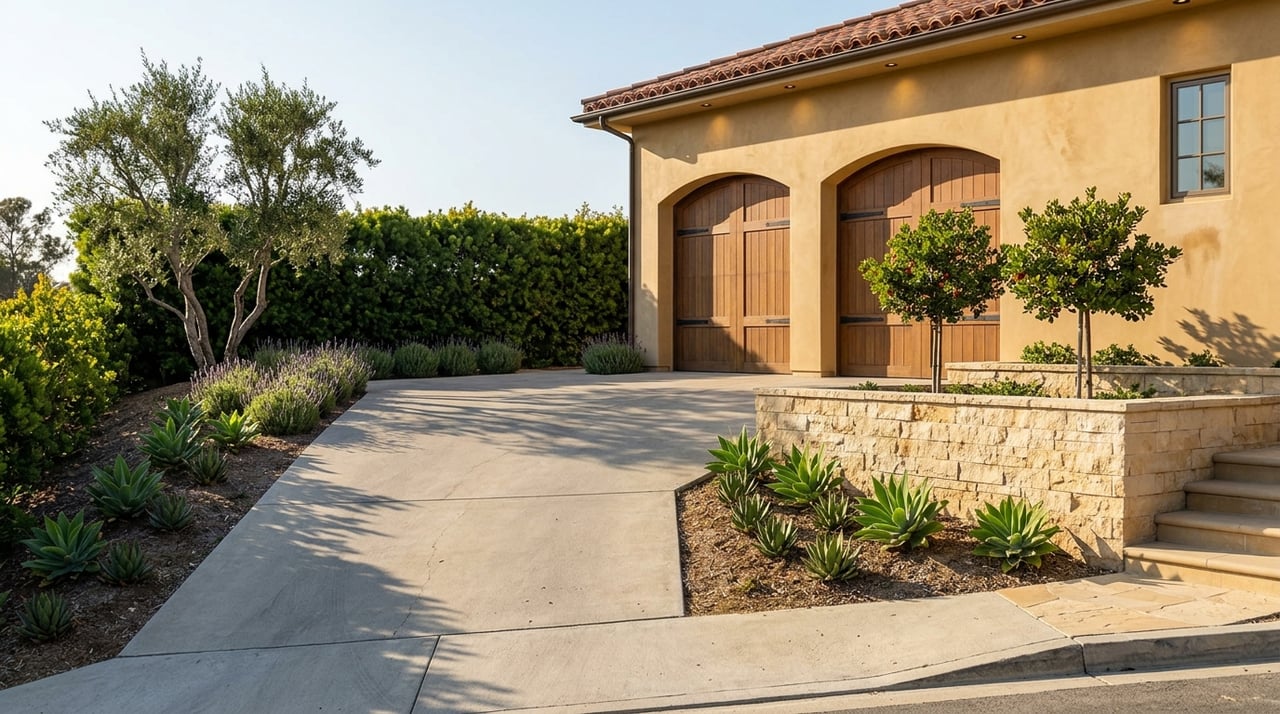
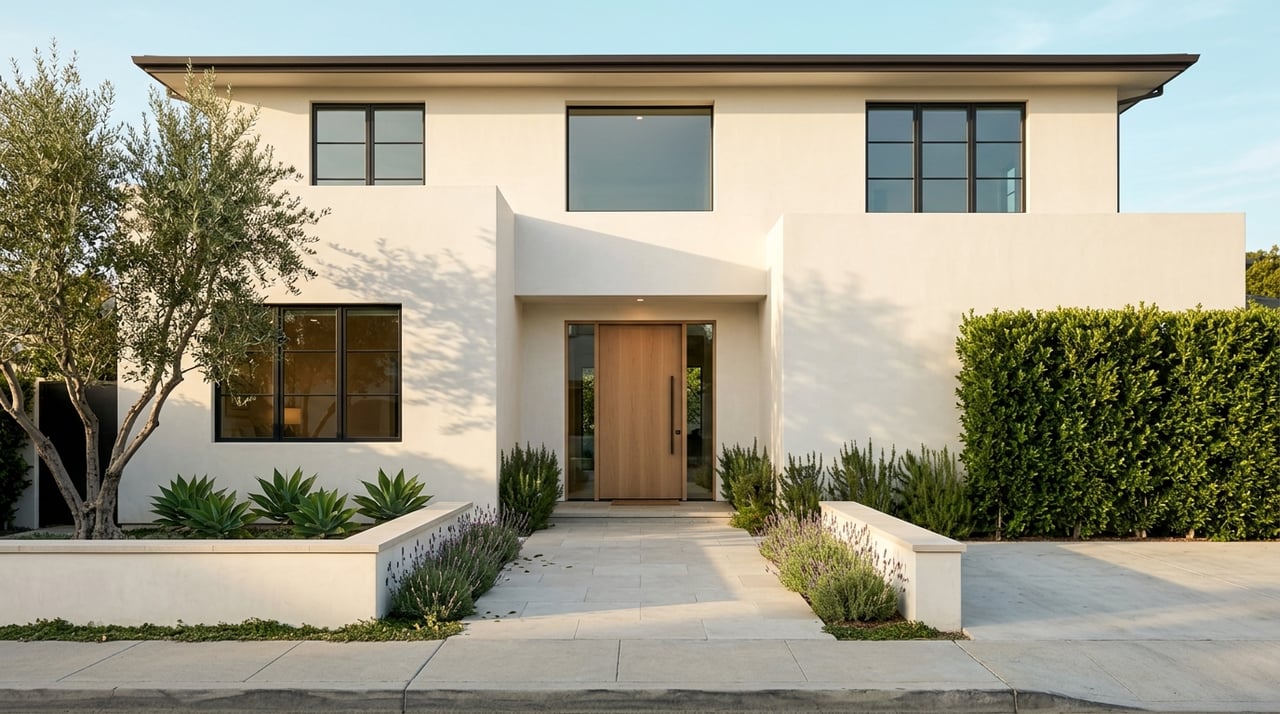
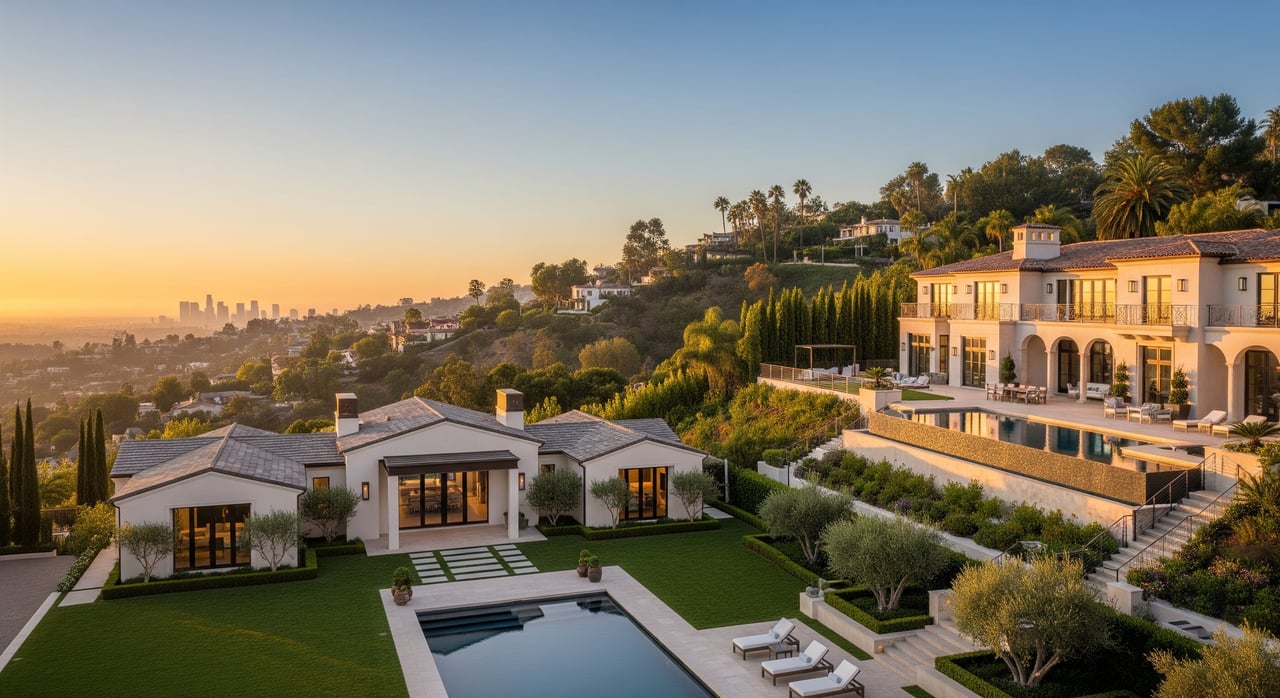
North of Montana is often where buyers begin when they want a more traditional residential setting. City planning documents describe it as the northern-most part of Santa Monica, with lower-density one- to two-story single-family homes on larger, tree-lined parcels, while Montana Avenue serves as a neighborhood retail corridor.
In practical terms, this area tends to appeal to buyers who value lot size, privacy, and a quieter streetscape. Compared with denser coastal pockets, the draw here is less about vertical living and more about residential calm and architectural presence.
Wilshire Montana and Northeast for Mixed Stock
Wilshire Montana is described by the city as an area of multi-family apartment buildings with scattered single-family homes, while the Northeast is mostly single-family with a smaller mix of multi-family properties. These sections can offer a different balance of housing formats while still keeping you close to central Santa Monica amenities.
If you want Santa Monica access without committing to the densest beach or downtown setting, these areas may deserve a closer look. They can feel more residential than downtown while still giving you a practical base for daily routines.
Ocean Avenue for Oceanfront Living
Ocean Avenue is Santa Monica’s clearest high-density luxury corridor. The city describes the stretch north of Montana as primarily high-density apartment and condominium development, while portions south of Montana include lower-scale buildings alongside several older high-rise apartment and condominium towers.
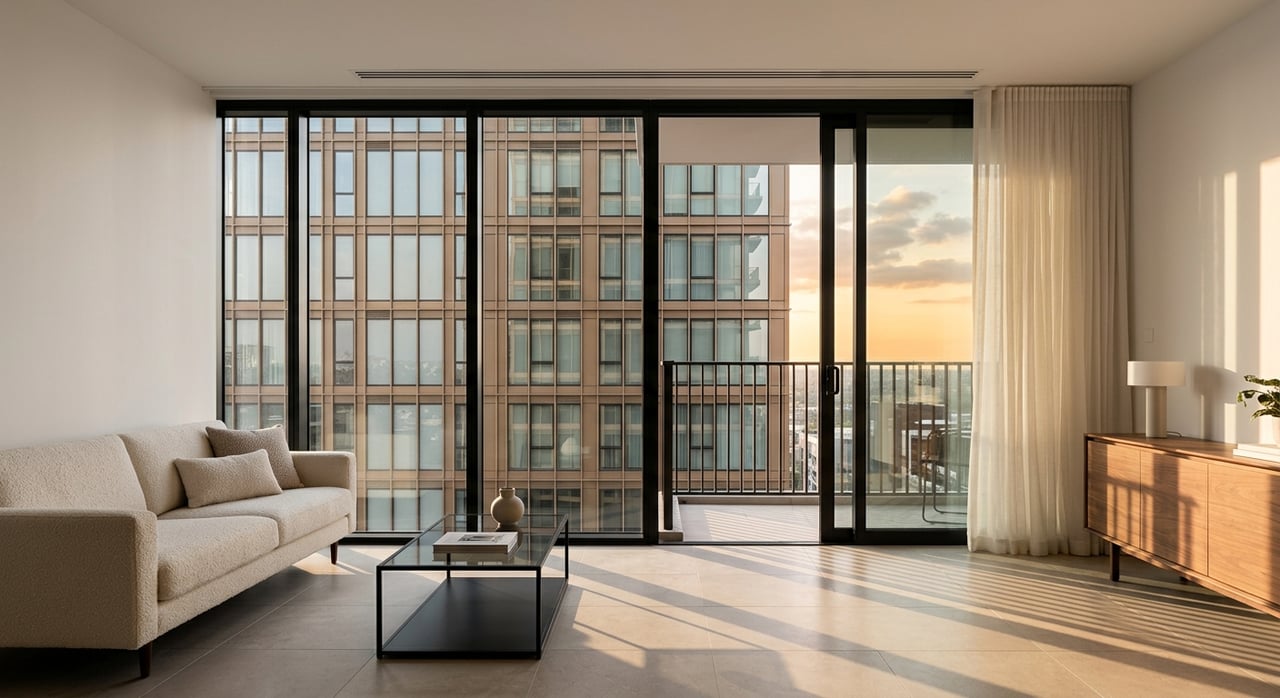
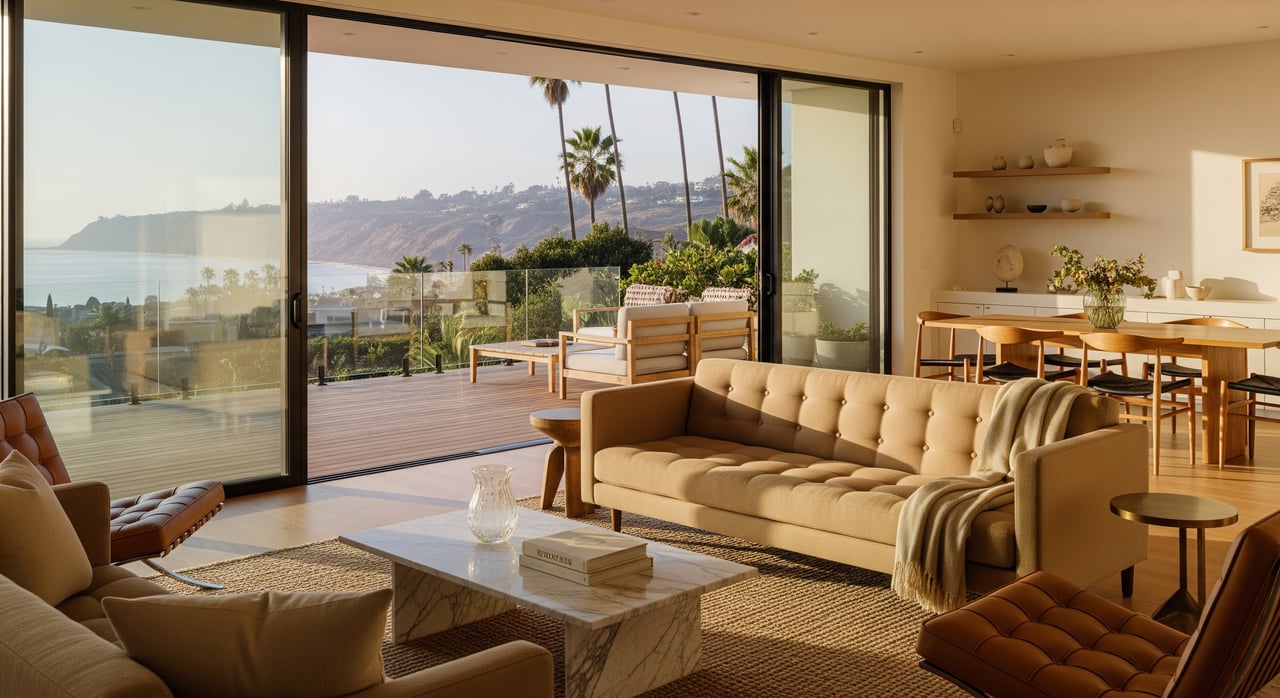
This is the lane for buyers who want immediate access to the coastline and a more vertical residential experience. If your priority is views, proximity to the beach, and a lower-maintenance ownership format, Ocean Avenue often delivers that in a way inland neighborhoods do not.
Downtown for Lock-and-Leave Convenience
Downtown Santa Monica offers a distinct lifestyle centered around the Promenade, Santa Monica Place, and direct access to the Metro E Line. For many relocators, this area works well as a pied-à-terre or a lower-maintenance full-time base.
The trade-off is straightforward. You typically gain walkability, activity, and transit convenience, while giving up some privacy and private outdoor space compared with single-family neighborhoods farther inland.
Ocean Park for Beach-Town Texture
Ocean Park has one of the city’s most varied housing patterns. Santa Monica planning documents describe East of Main Street as a primary residential area with single-family homes, duplexes, multi-family buildings, and courtyard complexes, and the neighborhood includes both houses and condominiums with values well into the millions.
That variety is part of the appeal. Ocean Park is not just a condo market near the water. It offers older housing stock, more variation in lot and building types, and a neighborhood texture that feels different from the more formal residential zones to the north.
Parking and site configuration deserve extra attention here. Because much of Ocean Park predates modern off-street parking standards, some blocks can feel tighter and function differently than newer buyers expect.
Sunset Park for Residential Balance
Sunset Park is Santa Monica’s large southeast residential district. The city describes Sunset Park South as mostly single-family homes with some multi-family housing, while Sunset Park North includes a mix of low-density multi-family and single-family homes organized around key corridors such as Pico Boulevard, Ocean Park Boulevard, and Lincoln Boulevard.
The neighborhood is often associated with a residential feel, but city data shows it is more mixed than that reputation suggests. Santa Monica reported about 7,000 housing units in Sunset Park, including single-family homes, rent-controlled rentals, deed-restricted affordable units, condominiums, and post-1978 apartments. For a relocating buyer, that means the experience can vary meaningfully from one section to another.
Understand School Geography Carefully
If schools are part of your relocation planning, Santa Monica requires address-level verification. The Santa Monica-Malibu Unified School District serves Santa Monica and Malibu and includes about 8,700 students across elementary, middle, and high school campuses, along with alternative and early childhood programs.
The key point is operational, not promotional. The district uses an address-based school locator, and some students may be placed outside their attendance area to manage overcrowding. In other words, a neighborhood name alone is not enough to confirm school assignment.
Major campuses that often help buyers orient themselves geographically include Franklin Elementary at 2400 Montana Ave, Roosevelt Elementary at 801 Montana Ave, Will Rogers Learning Community at 2400 14th St, John Adams Middle School at 2828 4th St, Santa Monica High School at 601 Pico Blvd, and SMASH at 721 Ocean Park Blvd.
This is one reason many buyers evaluate Ocean Park and Sunset Park together. The city notes that Ocean Park Boulevard is home to four public schools, two libraries, three commercial districts, and Clover Park, which makes that corridor an important part of daily logistics for many households.
School geography is also evolving. In a recent district update, SMMUSD said the Ocean Park Neighborhood school was expected to open in January 2026, alongside other facilities projects. If school access is central to your move, verify the exact address early in your search.
Commute Reality Is Block Specific
One of Santa Monica’s biggest advantages is that it offers more transportation options than many Westside markets. The city says employees’ sustainable commute share rose from 32% in 2007 to 37% in 2020, and Santa Monica highlights 113 miles of bike paths, lanes, and bikeways, along with Breeze bikes, Metro Bike Share, and the Metro E Line connection to Downtown Los Angeles and other destinations.
That does not mean every part of Santa Monica lives the same way. Downtown and beach-adjacent addresses may support a more car-light routine, especially if you want quick access to transit, restaurants, and retail. Deeper single-family pockets, including parts of North of Montana or Sunset Park, may still make a car more useful for many daily trips.
Transit service is also improving. Under the city’s 2025 Big Blue Bus service change, Routes 3 and 7 were scheduled to run every 10 minutes or better on most weekdays and every 15 minutes or better on weekends. For a relocator, the takeaway is simple: test the commute from the exact property, not just the neighborhood name.
Santa Monica vs Brentwood and Palisades
Many luxury relocators compare Santa Monica with Brentwood and Pacific Palisades. Based on planning documents, Santa Monica generally offers the more mixed-use, transit-oriented, and housing-diverse environment, while Brentwood and Pacific Palisades place more emphasis on lower-intensity residential character and compatibility with surrounding neighborhoods, as reflected in Los Angeles City Planning documents.
That makes Santa Monica especially appealing if you want beach proximity, walkability, transit access, and more housing formats in one city. Brentwood and Pacific Palisades may be stronger fits if you prefer a quieter, more purely residential feel across a larger share of the neighborhood fabric.
Neither choice is universally better. It depends on whether your version of luxury is defined more by privacy and a lower-rise setting, or by access to the coastline, daily walkability, and a more connected urban coastal lifestyle.
A Smarter Way to Tour Santa Monica
When you relocate into Santa Monica at the luxury level, broad assumptions can waste time. A better approach is to narrow your search using three filters first:
- Lifestyle format: single-family privacy, mixed residential setting, or lock-and-leave condominium living
- Daily logistics: commute route, school verification, and how often you expect to walk, bike, or use transit
- Block-level context: nearby corridors, parking patterns, housing pipeline, and the feel of the immediate street
That process tends to create better alignment early. It also helps you distinguish between a home that looks right online and one that truly supports how you want to live once you arrive.
Santa Monica offers real range for a luxury buyer, but it rewards precision. If you want experienced, discreet guidance as you compare micro-neighborhoods, housing types, and Westside alternatives, connect with Steve Frankel for a tailored relocation strategy.
FAQs
What makes Santa Monica different from other Westside relocation options?
- Santa Monica offers a more mixed-use, transit-connected, and housing-diverse environment than many nearby Westside areas, with choices that range from large-lot residential streets to oceanfront and downtown condominium living.
What should luxury buyers know about Santa Monica neighborhoods?
- Santa Monica is highly block specific, so buyers should compare micro-neighborhoods based on housing type, privacy, beach access, commute convenience, and the feel of the immediate street rather than relying on one citywide impression.
What should relocating buyers know about Santa Monica schools?
- The Santa Monica-Malibu Unified School District uses an address-based school locator, and placements can vary, so you should confirm school assignment by exact address instead of assuming it from the neighborhood name.
What is the best Santa Monica area for lock-and-leave living?
- Ocean Avenue and Downtown Santa Monica are often the most natural fit for buyers seeking a lower-maintenance, lock-and-leave lifestyle with close access to the beach, retail, dining, and transit.
What should buyers expect from commutes in Santa Monica?
- Commute experience varies by location, with downtown and beach-adjacent homes often supporting easier transit and car-light living, while deeper residential blocks may still make a car more practical for everyday use.
Why is address-level research important in Santa Monica?
- Because school assignment, transit convenience, parking patterns, and even neighborhood feel can shift quickly from one section of Santa Monica to another, address-level due diligence is essential when relocating.