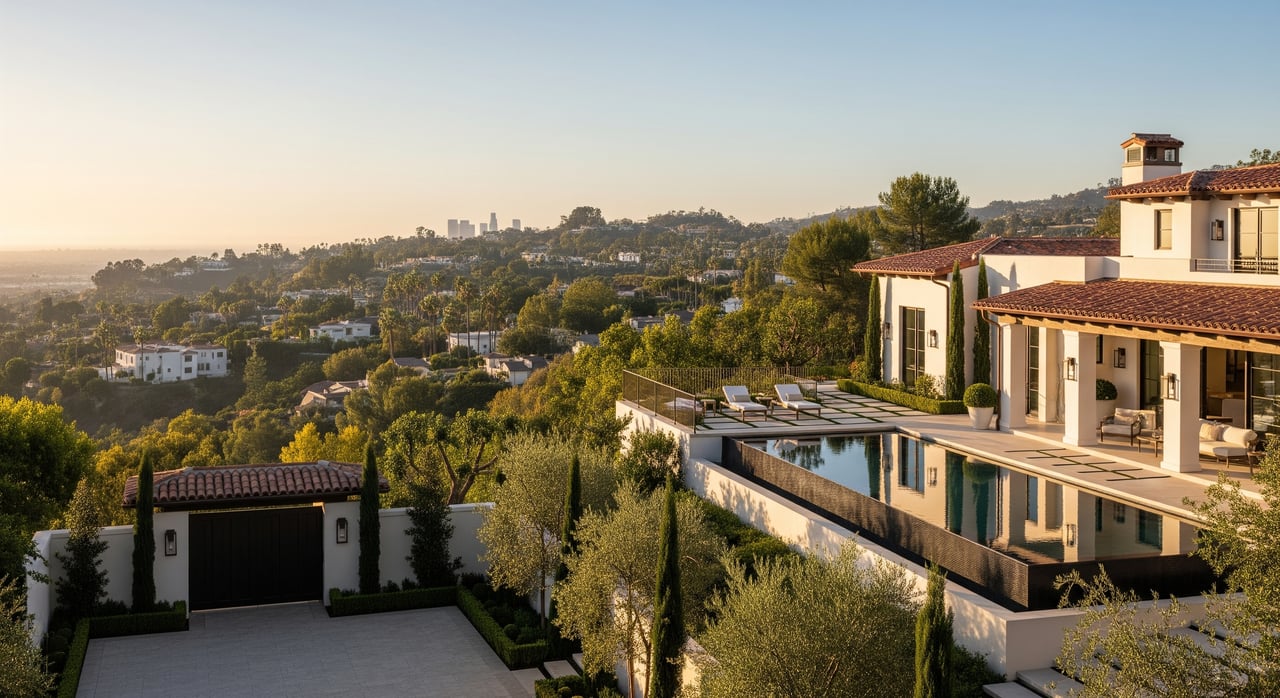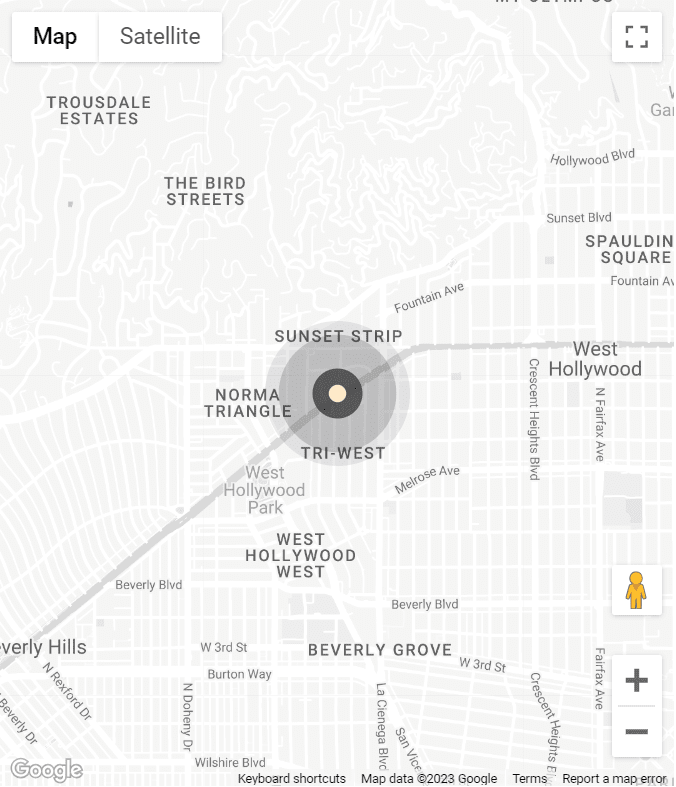
What makes one Sunset Strip view home command a major premium while another, seemingly similar property lingers or trades lower? In this part of the hills, pricing is rarely about square footage alone. If you are buying, selling, or simply trying to understand value in 90069, it helps to know which details truly move the needle and which ones only look impressive in listing photos. Let’s dive in.
Why ZIP-level pricing is only a starting point
A broad market snapshot can help set the stage, but it does not explain the full story for Sunset Strip view homes. Redfin’s March 2026 data for 90069 shows a median sale price of $1.28 million, 96 median days on market, a 96.6% sale-to-list ratio, and 12.3% of homes selling above list price.
Those numbers are useful for context, but they should not be treated as the pricing guide for hillside properties near the Strip. This is a street-by-street, and often lot-by-lot, market. Two homes in the same ZIP can have very different value depending on view quality, privacy, lot usability, and exposure to the corridor below.
View quality drives value
The first major pricing driver is the view itself. Research shows that view quality and visibility are reflected in home prices, and unobstructed or higher-quality views tend to outperform partial or limited ones.
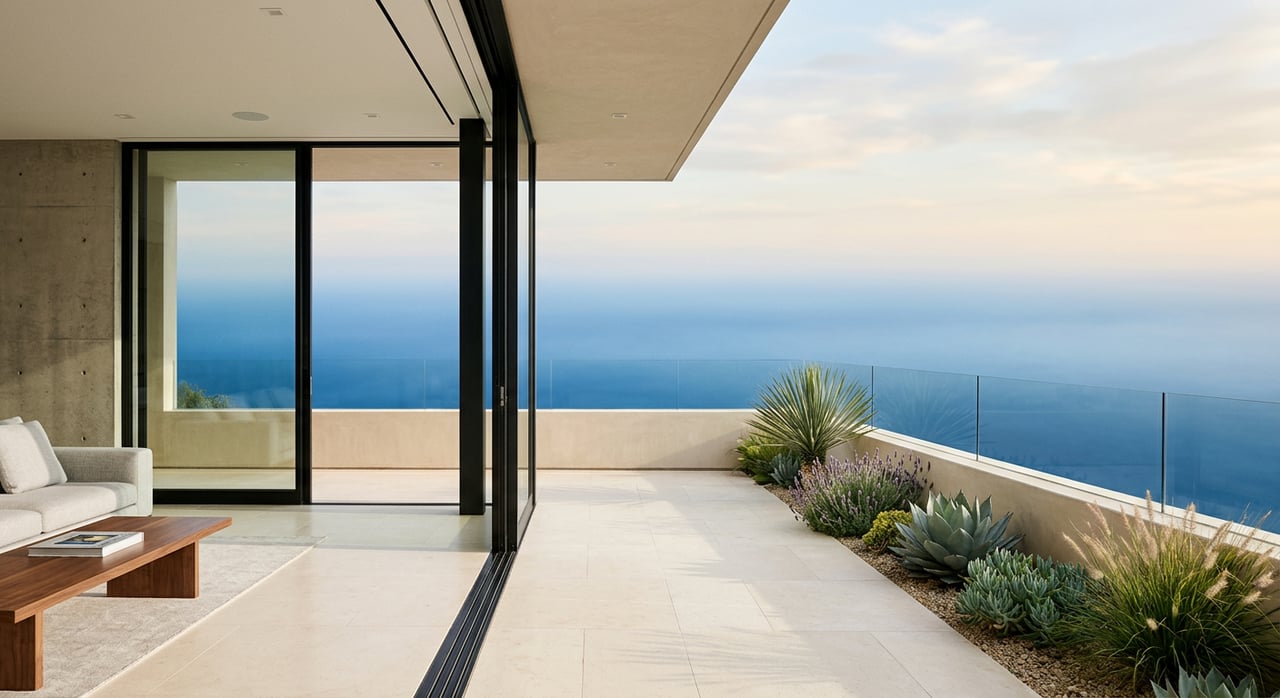
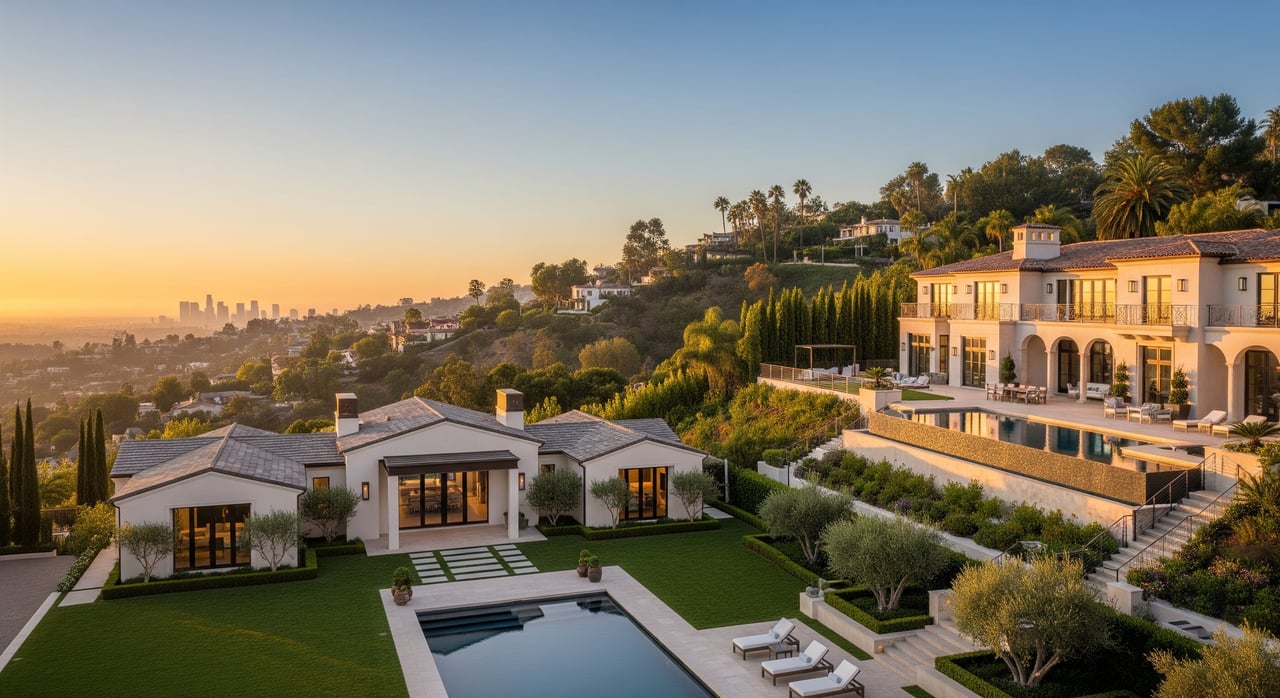
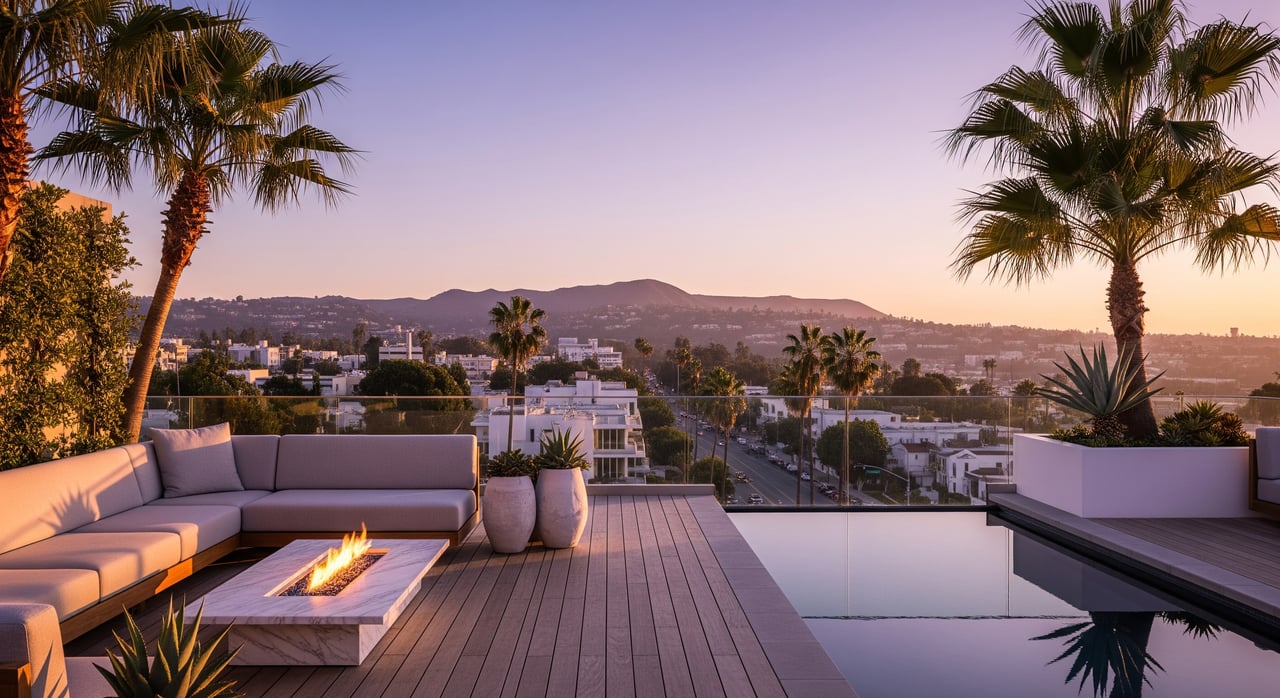
In the Sunset Strip hills, that distinction matters a lot. A wide city-light view, a clean open-sky outlook, or a compelling canyon perspective can create a different pricing tier than a view that is narrow, interrupted, or dependent on the angle of one terrace.
Not all views are equal
A “view home” label can hide meaningful differences. One property may offer a broad, seated view from major living spaces, while another only captures its best angle from a balcony or upper corner.
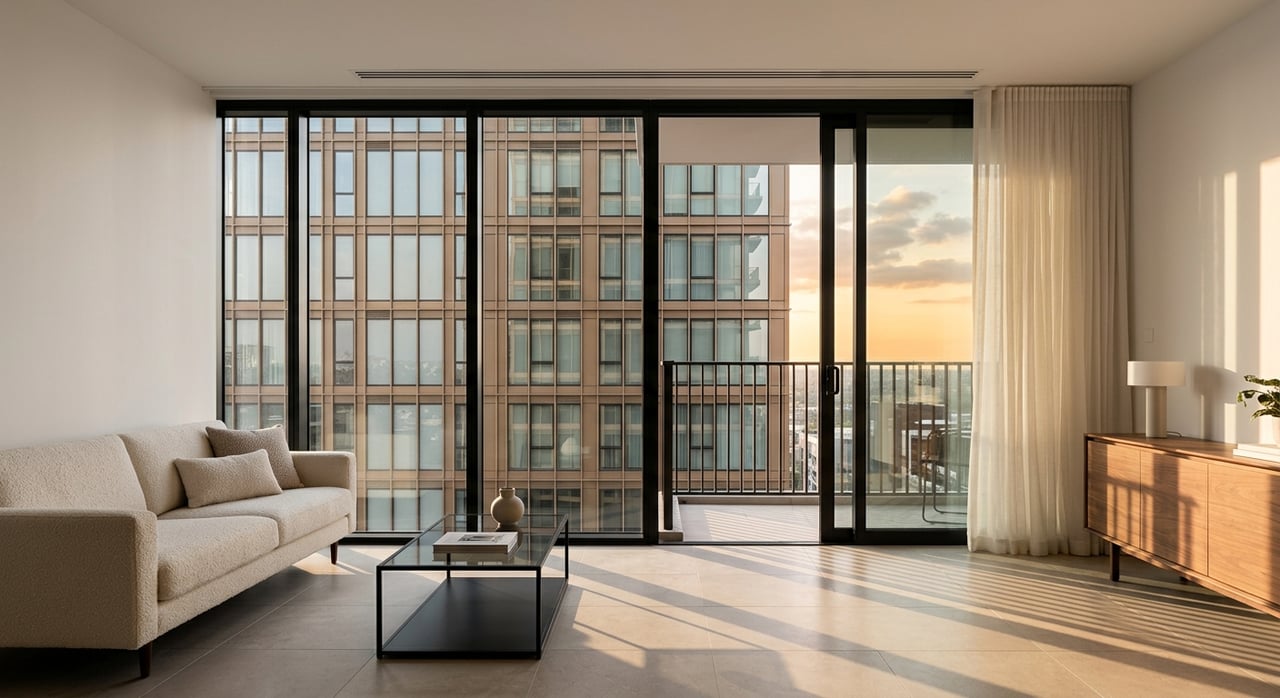
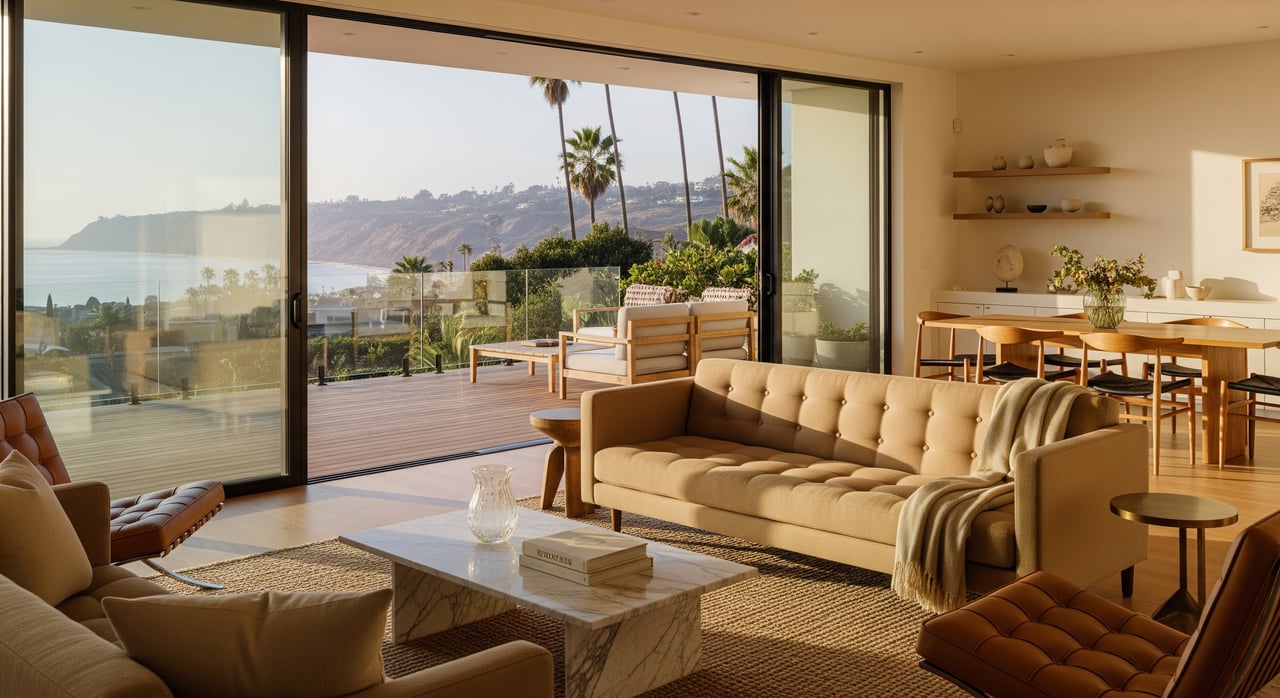
Buyers often pay more for views that are easy to enjoy every day. If the sightline works from the primary rooms and feels expansive without effort, it usually holds more value than a view that photographs well but lives smaller in person.
Orientation matters more than photos suggest
In the hills above the Strip, orientation can change everything. Similar rooflines can produce very different sightlines depending on how the home is positioned on the lot.
That is why two nearby homes can look comparable online yet trade at different levels. One may capture stronger city lights or a cleaner horizon, while the other may face a more limited or less dramatic direction.
View permanence matters too
A great view today is not always a great view forever. One of the most important pricing questions is not just what you see now, but how durable that sightline is likely to be.
This is especially relevant in hillside areas, where nearby structures, lot conditions, and development patterns can affect what remains visible over time. Buyers often pay more when a view feels harder to interrupt.
Lasting views can support stronger pricing
Research suggests that unobstructed and higher-quality views carry value, and in practice, durability is part of that equation. A home with a more secure vantage point may command more confidence than a home whose view depends on conditions that could change.
That does not mean every protected-looking sightline deserves a premium. It means the market tends to reward views that feel both impressive and resilient.
Lot usability can separate similar homes
One of the biggest pricing mistakes is assuming the best-looking view home is automatically the best value. In the Sunset Strip hills, the lot underneath the house can be just as important as the view above it.
The Los Angeles Baseline Hillside Ordinance makes this especially relevant. Maximum residential floor area is tied to slope band, and steeper sites face tighter limits along with height and grading controls.
Flatter pads usually offer more flexibility
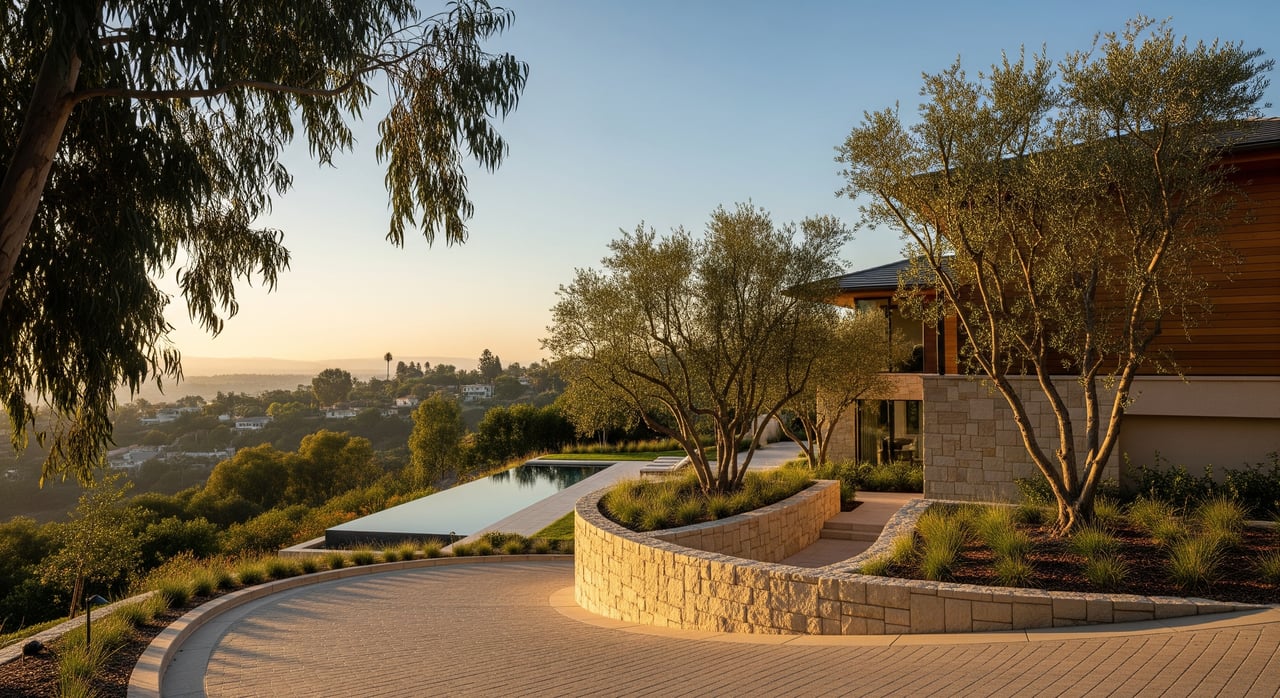
Two homes may share similar views but sit on very different lots. A flatter, more usable pad can support easier circulation, more practical outdoor space, and better long-term flexibility.
A steeper site may still be highly desirable, especially if it offers scarcity, privacy, or stronger sightlines. But when earthwork is more complex and expansion potential is more constrained, the market may price that risk or limitation into the deal.
Driveway and access affect daily livability
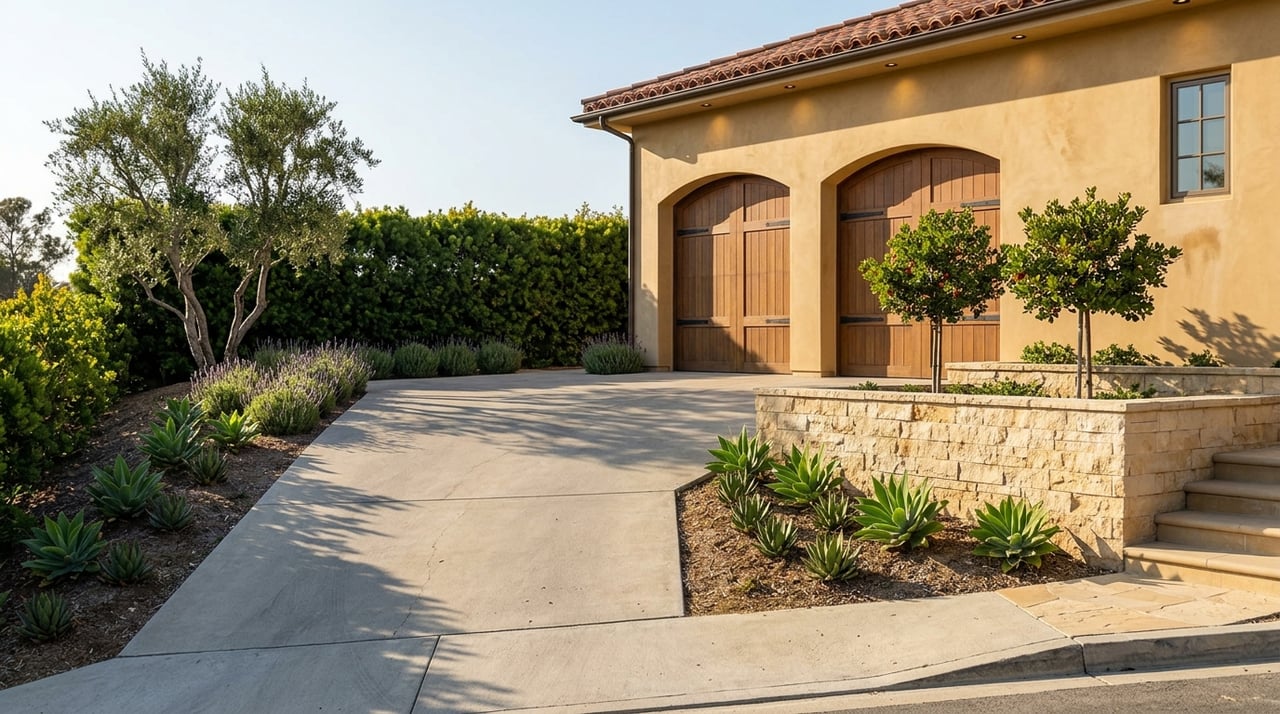
Usability is not just about the structure. Driveway geometry, approach, and how easily you move through the site all shape buyer perception.
A property can lose momentum if the lot feels harder to access or less functional than its competitors. In a luxury segment, convenience and ease often matter more than they first appear.
Privacy has real pricing power
Privacy is a major part of the Sunset Strip value equation. In this area, privacy means more than gates or hedges. It includes elevation, setback, landscaping, and how much of the surrounding corridor you actually feel from the home.
That distinction matters because the Sunset Strip is both an amenity and an active entertainment corridor. West Hollywood identifies it as a major destination, and the city notes that more than 5 million people visit West Hollywood annually for the Strip and other iconic destinations.
Walkable can be a premium
For some buyers, being near the Strip adds energy, convenience, and lifestyle appeal. Access to dining, hospitality, and entertainment can support value when the home still feels removed enough to preserve comfort and privacy.
This is where “walkable to the Strip” can be a plus. If the home offers easy access without absorbing too much of the corridor’s friction, that convenience may read as an advantage.
Direct exposure can be a discount factor
The opposite can also be true. If traffic, noise, crowding, or a lack of privacy become too noticeable, proximity can work against pricing.
West Hollywood’s noise ordinance limits amplified sound between 10:00 p.m. and 8:00 a.m., and research shows that traffic and environmental noise can reduce residential values. In practical terms, buyers often distinguish between being close to the Strip and being directly exposed to it.
Architectural pedigree can elevate pricing
In the luxury market, design identity often carries weight beyond bedroom count or raw square footage. Research cited in the report suggests that high-end pricing is influenced by intangible location and design factors, and that strong architecture can create measurable premiums.
On the Sunset Strip, architectural pedigree often acts as shorthand for authorship, authenticity, and overall design credibility. Buyers may respond strongly when a home has a clear architectural story that fits the surrounding enclave.
Design is part of the product
This is not a market where design is an afterthought. West Hollywood treats Sunset Boulevard as a curated visual environment, with programs that integrate art, architecture, and signage into the corridor’s identity.
That broader setting matters. In this pocket of Los Angeles, a well-resolved architectural home is often valued not only for how it functions, but also for how convincingly it belongs.
Why similar homes sell for different prices
This is the question many buyers and sellers ask most often. If two homes appear similar on paper, why does one command a stronger number?
The answer is usually a combination of factors rather than a single issue. In this market, pricing can turn on the mix of sightlines, durability of the view, privacy, lot usability, and architectural identity.
Small differences can have big consequences
A slightly better orientation can improve the view from the main rooms. A slightly flatter lot can change expansion potential. A slightly more protected position can reduce noise and improve privacy.
Those differences may look minor in a listing comparison, but they often have an outsized impact on perceived value. That is why careful comp selection matters so much in the Sunset Strip hills.
A smart framework for comparing Sunset Strip view homes
If you are comparing listings, it helps to break the analysis into a few separate questions instead of relying on one headline feature.
Use this lens:
- How strong is the view? Look at width, depth, and how much of the home actually enjoys it.
- How durable is the view? Consider whether the sightline feels more or less vulnerable to future change.
- How usable is the lot? Think about slope, pad size, driveway geometry, and practical outdoor function.
- How private does the home feel? Focus on elevation, setback, landscaping, and corridor exposure.
- How strong is the architectural story? Design quality and identity can materially affect demand.
- Is Strip access a benefit or a nuisance here? The answer can vary from one property to the next.
This framework is especially important because ZIP-level medians are only a starting point. In a hillside submarket, comps should be narrowed as much as possible to the same hillside band or street band.
The bottom line on Sunset Strip pricing
Sunset Strip view homes are priced by more than glamour, square footage, or a single dramatic photo. The strongest values tend to come from a rarer combination of compelling sightlines, likely view durability, usable land, meaningful privacy, and architecture that feels credible within the setting.
If you are evaluating a purchase or preparing a sale, the key is to look past the obvious. In a market this nuanced, experienced guidance can help you separate true premium drivers from details that only appear valuable at first glance.
For discreet, senior-level guidance on Sunset Strip and Westside luxury property values, connect with Steve Frankel.
FAQs
What drives Sunset Strip view home pricing the most?
- The main pricing drivers are view quality, likely view durability, lot usability, privacy, architectural pedigree, and whether proximity to the Strip feels like a lifestyle benefit or a nuisance.
Are Sunset Strip views always worth a premium?
- Not always. Research in the report shows that view value depends on quality and completeness, along with trade-offs like noise, privacy, and access-related issues.
Do steep lots in the Sunset Strip hills always sell for less?
- No. Steeper lots can face more building and expansion constraints under Los Angeles hillside rules, but scarcity, privacy, and stronger sightlines can still support pricing in the right setting.
Why can two similar Sunset Strip homes sell at very different prices?
- In this luxury segment, intangible factors often matter more than small differences in size. A better orientation, more usable lot, stronger privacy, or clearer architectural identity can materially change value.
Is being close to the Sunset Strip a positive or a negative for home value?
- It can be either. Walkable access may support value for some buyers, while direct exposure to traffic, noise, or reduced privacy may work as a discount factor for others.