Wondering whether Deep Canyon or the broader Beverly Hills Post Office area is the better fit for your next move? It is a smart question, because these addresses can share a 90210 identity while offering very different experiences day to day. If you are weighing privacy, lot size, setting, and convenience, this guide will help you compare the tradeoffs clearly. Let’s dive in.
Understanding Deep Canyon and BHPO
Deep Canyon is best understood as a smaller pocket within upper Benedict Canyon and Benedict Hills. The Benedict Hills HOA describes the subdivision as 107 homes in upper Benedict Canyon, and current listings often identify Deep Canyon with Benedict Hills or Benedict Hills Estates.
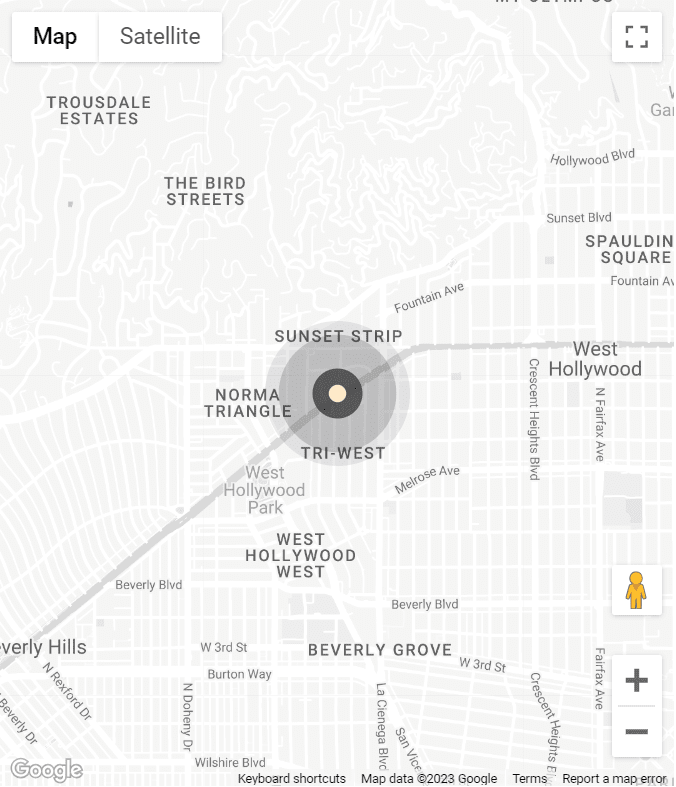
By contrast, BHPO usually refers to 90210 properties that may still fall within Los Angeles city limits rather than the City of Beverly Hills. Official parcel profiles for Benedict Canyon addresses show Los Angeles, Bel Air-Beverly Crest, and Council District 5, even while the mailing identity ties back to the Beverly Hills post office.
That distinction matters if you are comparing lifestyle rather than just ZIP code. Two homes may both read as Beverly Hills Post Office, yet one may feel like a tucked-away canyon enclave while another sits in a much broader hillside market.
Deep Canyon setting and character
Deep Canyon feels more contained
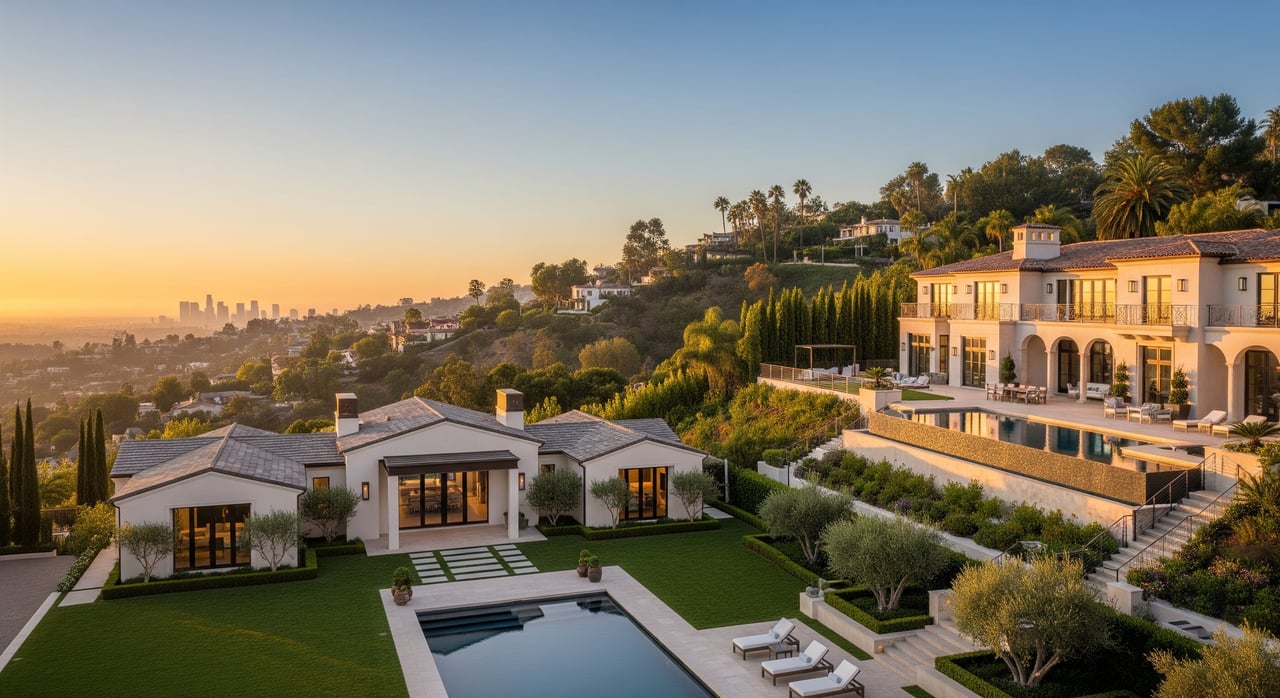
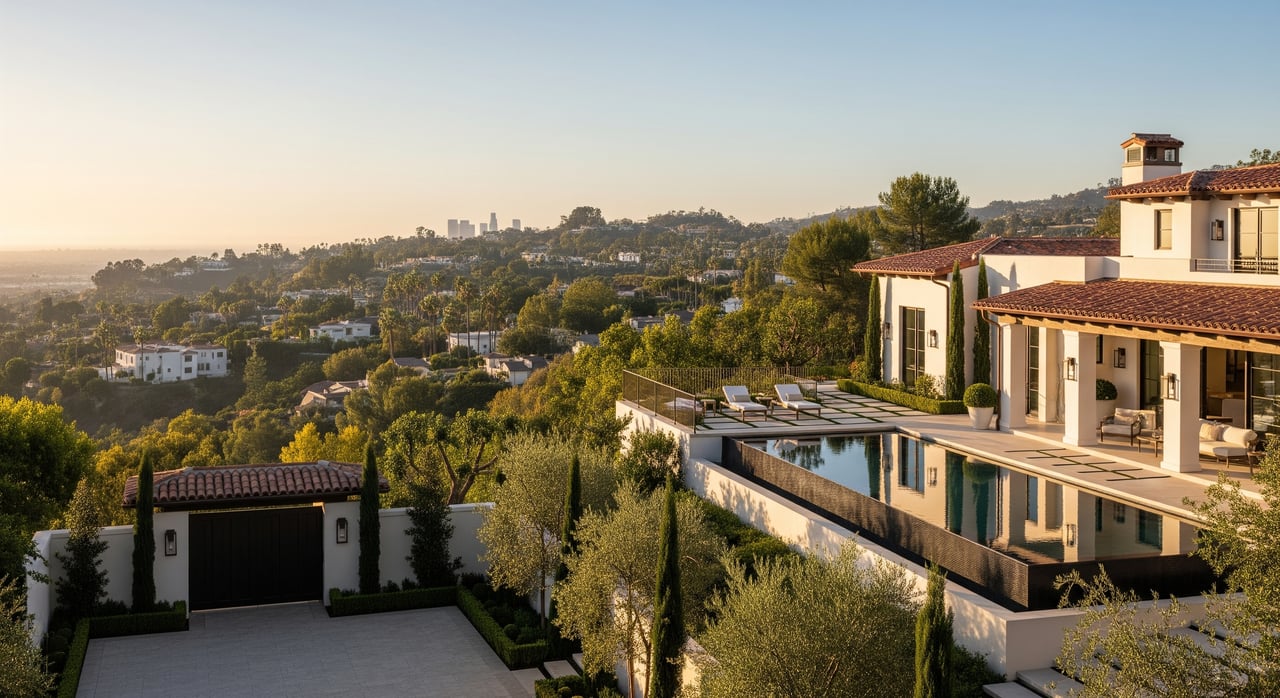
If you want a neighborhood that feels smaller and more coherent, Deep Canyon stands out. The area is framed by rolling hills and lush vegetation, and the broader Benedict Canyon community has placed clear emphasis on preserving tree canopy, protecting ridgelines, and maintaining a fully residential character.
That gives Deep Canyon a strong sense of enclosure. Instead of feeling spread across a large hillside geography, it tends to read as a defined canyon pocket with a more consistent atmosphere from street to street.
Hillside living shapes the experience
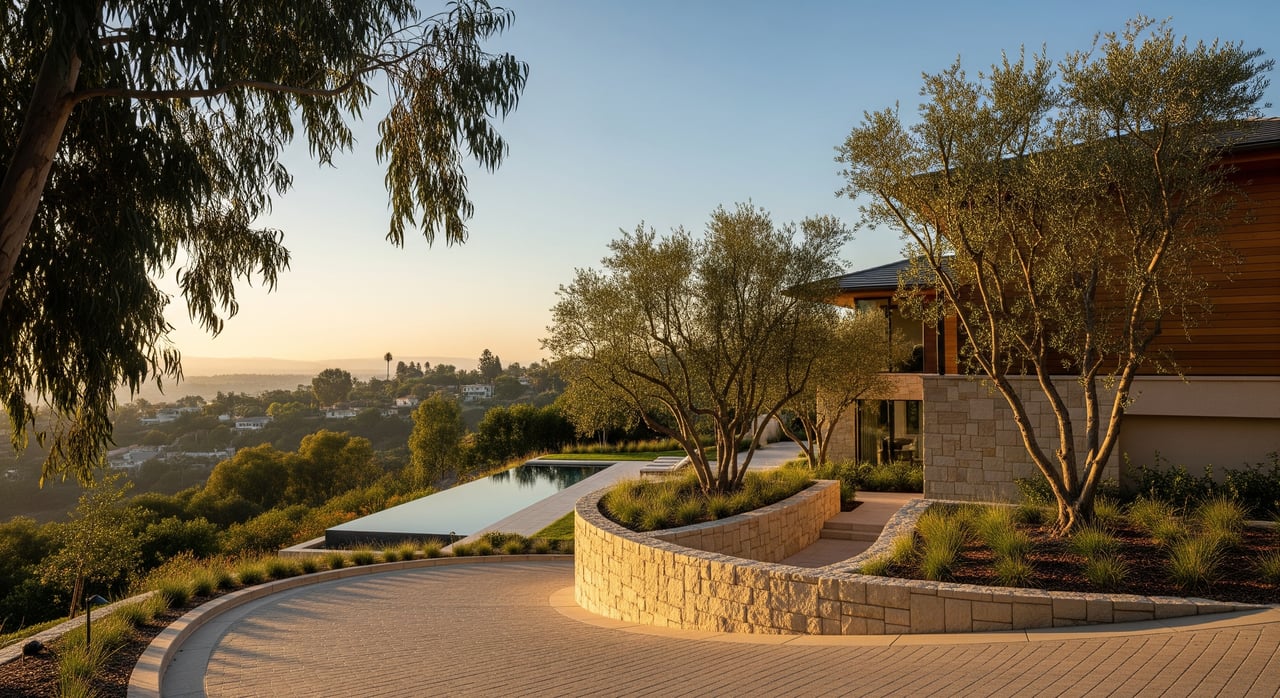
Deep Canyon also comes with the realities of hillside property. Official Los Angeles parcel records in this area reference the Baseline Hillside Ordinance, hillside grading area, hillside ordinance area, and Bel Air-Beverly Crest planning designations.
For buyers, that is less about prestige language and more about understanding the physical setting. Hillside neighborhoods often deliver privacy, greenery, and topographic drama, but they can also involve more site-specific considerations than flatter locations.
BHPO offers broader range and scale
BHPO is a larger comparison set
The broader BHPO market gives you more variety than Deep Canyon. The Bel Air-Beverly Crest community plan area includes canyon and hillside neighborhoods such as Benedict Canyon, Beverly Glen, Coldwater Canyon, and Franklin Canyon, with residential development described as predominantly single-family homes.
That wider footprint creates a bigger menu of options. If your search includes everything from a gated corner-lot estate to a major hillside compound, BHPO is usually the more flexible category.
Home types vary more in BHPO
Deep Canyon listings show a fairly consistent mid- to upper-estate scale, with recent examples around 5,232 square feet on 0.36 acres, 5,497 square feet on 0.45 acres, 5,772 square feet on 0.35 acres, and 6,576 square feet on 0.32 acres. That pattern suggests a useful middle ground of privacy and manageability.
BHPO inventory is much broader. Recent examples range from a 4,300-square-foot gated estate on a 0.25-acre lot to larger offerings on 1.71 acres, a 6.14-acre compound in North Beverly Park, and a flat 1-acre estate with 7,885 square feet of living area.
In practical terms, Deep Canyon feels more edited. BHPO feels more expansive, with a wider spread in land size, house scale, and estate format.
Comparing space and lot profiles
Deep Canyon balances privacy and upkeep
One of Deep Canyon’s main strengths is its balance. The lot sizes and house scale shown in current listings suggest that many homes offer meaningful separation and generous interiors without necessarily pushing into oversized compound territory.
That can appeal if you want a substantial home but also prefer a more manageable footprint. Several listings also reference cul-de-sacs, HOA dues, private security, and park-like grounds, which reinforce the pocket’s curated, residential feel.
BHPO gives you more extremes
If your priority is maximum choice in land and estate scale, BHPO usually has the edge. The inventory spans smaller private estates, larger hillside parcels, and true compound opportunities that go well beyond what you typically see in a smaller enclave like Deep Canyon.
That makes BHPO the stronger search area if you are still deciding how much land you want, or if you are looking for a property with a very specific site profile. It simply casts a wider net.
Access and daily convenience
Deep Canyon is car-led
Deep Canyon is the most car-dependent option in this comparison. Current listing data flags the area as car required, with minimal transit, limited access, and limited walkable wellness options.
Access patterns reinforce that point. Listing directions commonly route through Benedict Canyon Drive and then into smaller residential streets, and some homes sit at the end of cul-de-sacs near the top of the canyon.
BHPO shares similar tradeoffs
The broader BHPO hills generally follow the same pattern. Privacy and separation often come at the cost of quick, grid-based convenience, and current listings reflect gated estates, private roads, corner lots, and larger hillside parcels rather than a tightly connected commercial street network.
For many buyers, that tradeoff is the point. You are choosing a more secluded residential setting over a more walkable urban pattern.
How central Beverly Hills changes the equation
Although this comparison is focused on Deep Canyon and BHPO, central Beverly Hills provides a helpful reference point. It represents a different lifestyle model altogether.
The city describes complete neighborhoods as places with commercial and civic nodes, retail, restaurants, parks, transit access, and interconnected streets. The Golden Triangle, which includes the Beverly Hills Visitor Center, functions as the city’s central business district and is described as a compact, easily walkable shopping area with dining, retail, and hotel activity concentrated in a few blocks.
Transit access is also improving there. Metro states that the first section of the D Line extension opened on May 8, 2026, and the City of Beverly Hills has said the Wilshire/La Cienega station will create easier access in 2026 while additional Beverly Hills and Century City station work continues.
That does not make central Beverly Hills better or worse. It simply highlights the core choice: canyon seclusion versus a more connected day-to-day setting.
Which buyer Deep Canyon suits best
Choose Deep Canyon for a defined enclave
Deep Canyon is often the better fit if you want a smaller, more cohesive neighborhood identity. The combination of HOA structure, tree cover, residential consistency, and canyon privacy creates a setting that feels intentional and contained.
This can be especially appealing if you value a quieter setting and want a substantial home without entering the broadest end of the hillside estate market. You are not just buying square footage. You are buying a particular kind of environment.
Which buyer BHPO suits best
Choose BHPO for range and optionality
BHPO makes more sense if you want a wider selection of home types, lot sizes, and estate scales. It is the better comparison set when your search is still open-ended or when you want to evaluate several micro-settings within the hills.
That flexibility is valuable in a market where one buyer may want a modest gated residence and another may need acreage, privacy, and compound potential. BHPO accommodates both ends of that spectrum more readily than Deep Canyon.
Final perspective on the choice
At a high level, Deep Canyon offers a more focused version of canyon living. BHPO offers the broader hillside universe, with more variability in land, architecture, and overall scale.
If you already know you want a contained canyon enclave with greenery, privacy, and a relatively consistent residential feel, Deep Canyon may be the clearer answer. If you want more options and are willing to trade some simplicity for range, BHPO is usually the better place to search.
In a market this nuanced, the right choice often comes down to how you want your home to feel once you pull into the driveway. If you are weighing Deep Canyon against BHPO and want discreet, senior-level guidance on Beverly Hills and Westside micro-markets, Steve Frankel can help you evaluate the fit with clarity and confidence.
FAQs
What is the difference between Deep Canyon and Beverly Hills Post Office?
- Deep Canyon is a smaller pocket within upper Benedict Canyon and Benedict Hills, while BHPO is a broader 90210 category that can include Los Angeles city parcels across multiple hillside neighborhoods.
Is Deep Canyon part of Beverly Hills or Los Angeles?
- In practice, Deep Canyon addresses may carry a Beverly Hills Post Office identity while still falling within Los Angeles city designations such as Bel Air-Beverly Crest and Council District 5 on official parcel records.
What are lot sizes like in Deep Canyon compared with BHPO?
- Deep Canyon listings commonly show homes in the roughly 0.32- to 0.45-acre range, while BHPO inventory spans a much wider range from smaller private estates to multi-acre compounds.
Is Deep Canyon more private than other BHPO areas?
- Deep Canyon is generally framed as a smaller, more coherent canyon enclave with tree cover, cul-de-sacs, and a strong residential setting, which many buyers associate with privacy.
Is Deep Canyon walkable for daily errands?
- Current listing data describes Deep Canyon as car required, with minimal transit and limited walkable wellness options.
Why do buyers choose central Beverly Hills instead of BHPO hillsides?
- Buyers often choose central Beverly Hills when they want stronger access to shopping, dining, city services, interconnected streets, and improving transit rather than canyon seclusion.