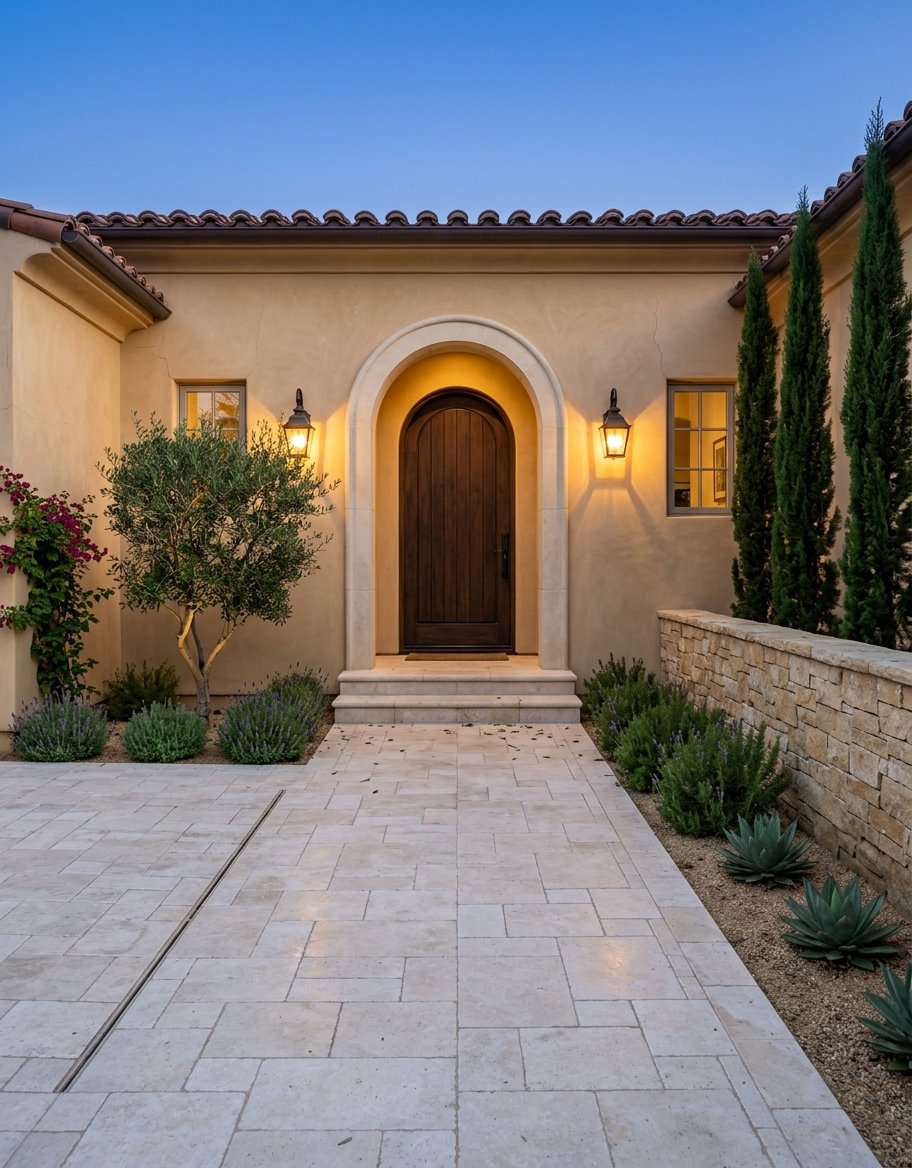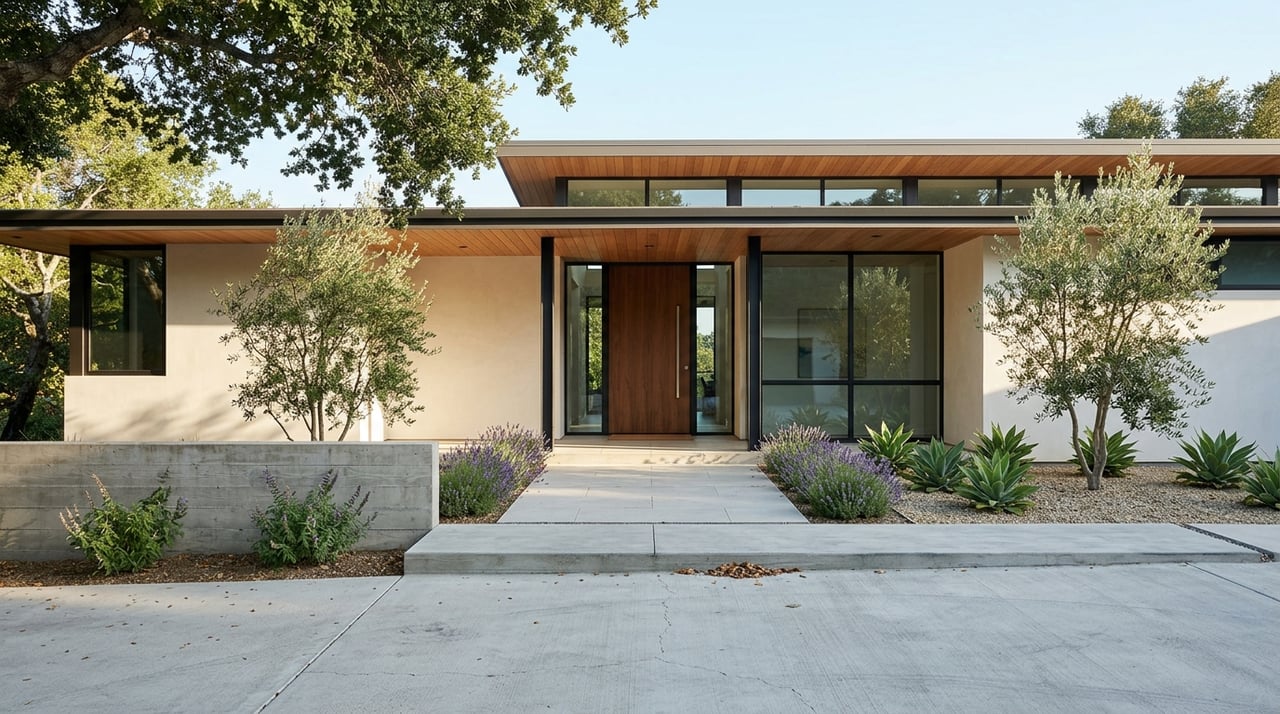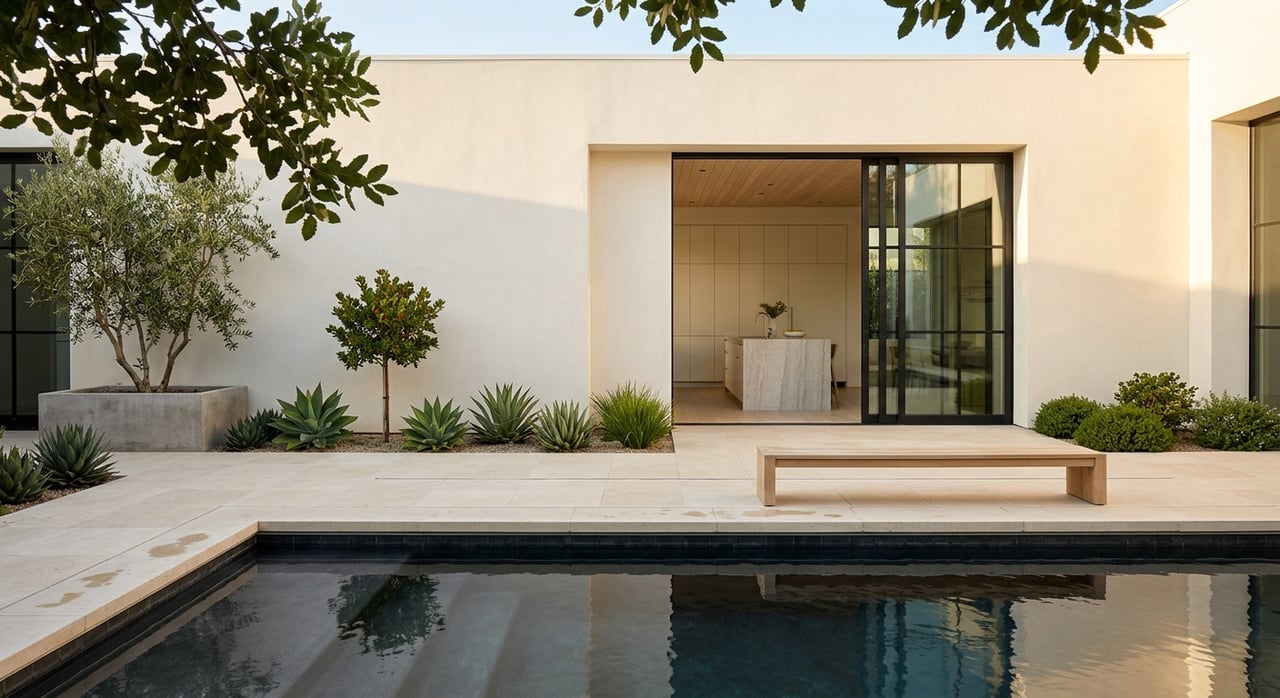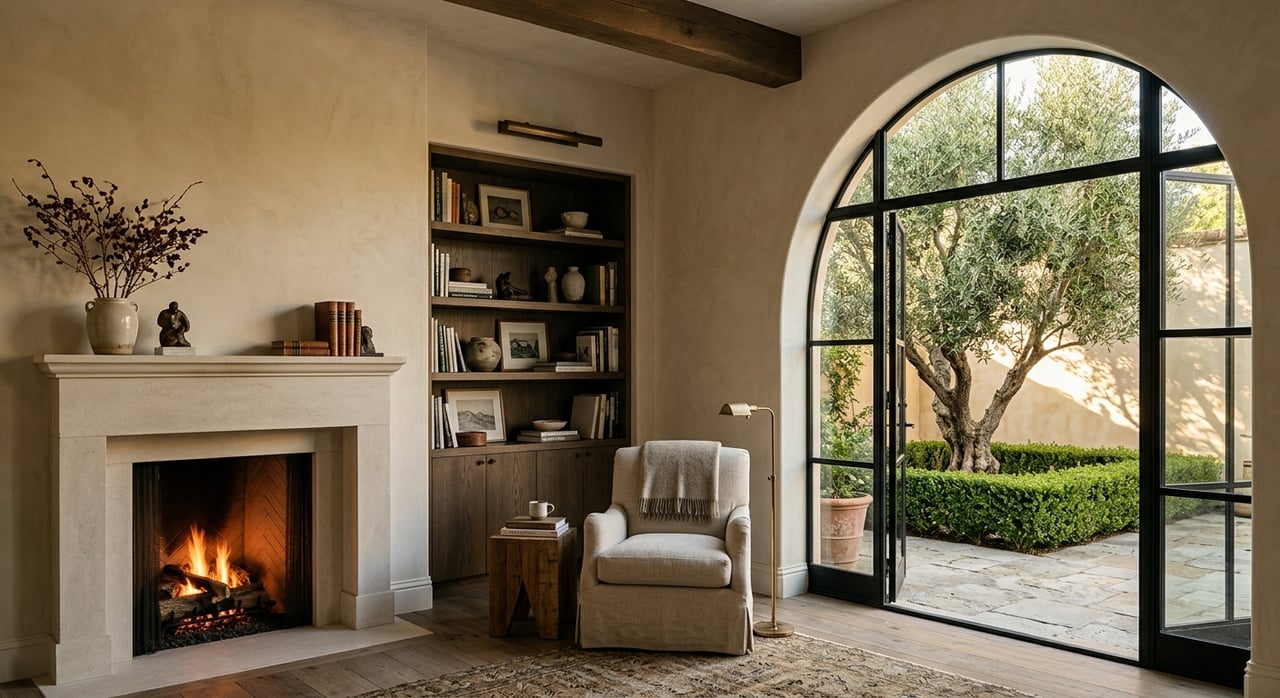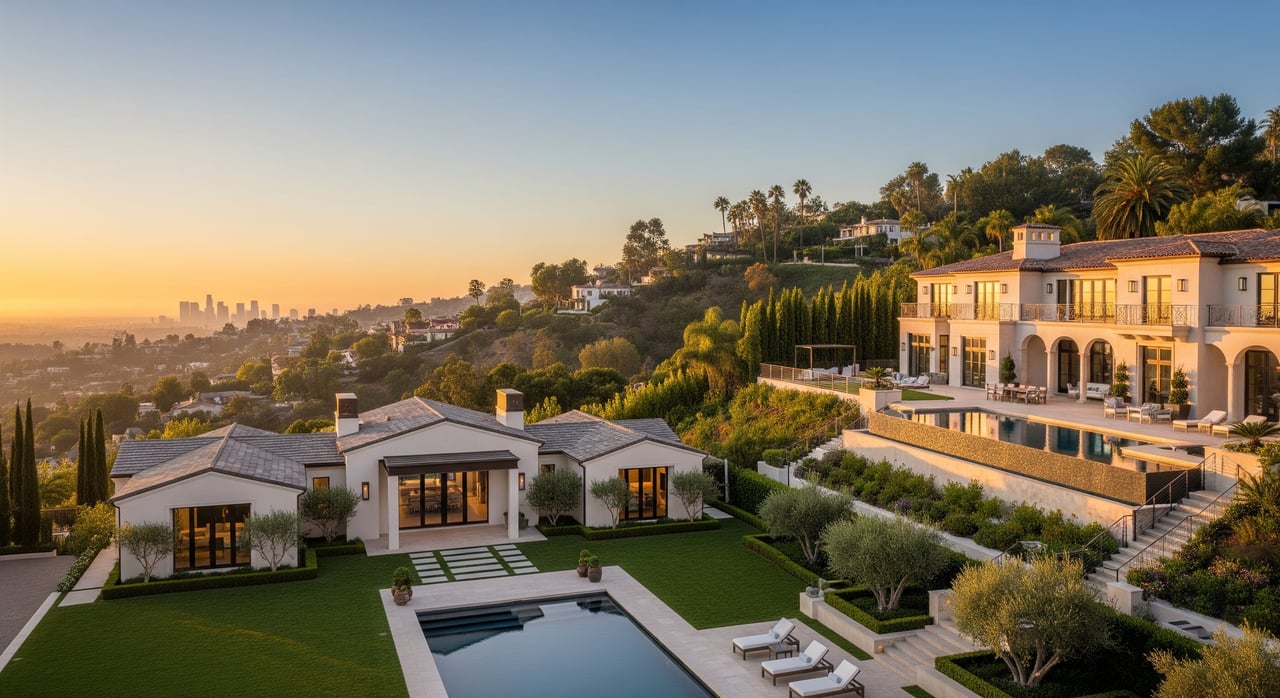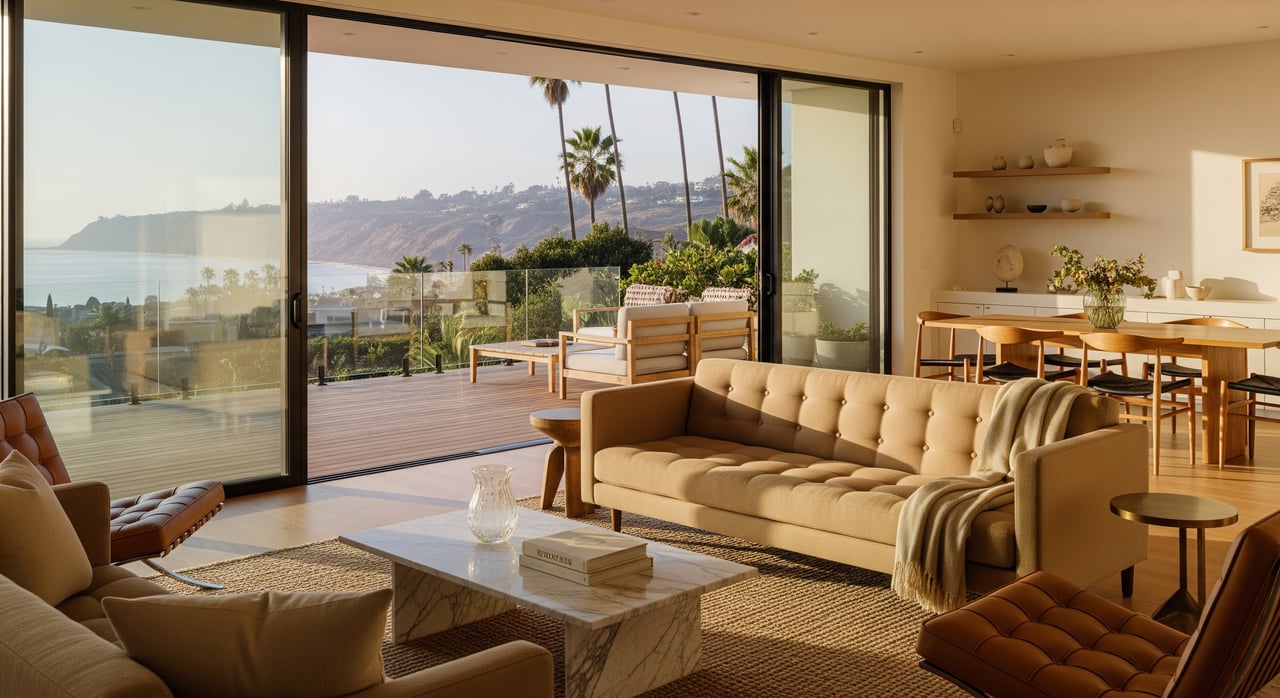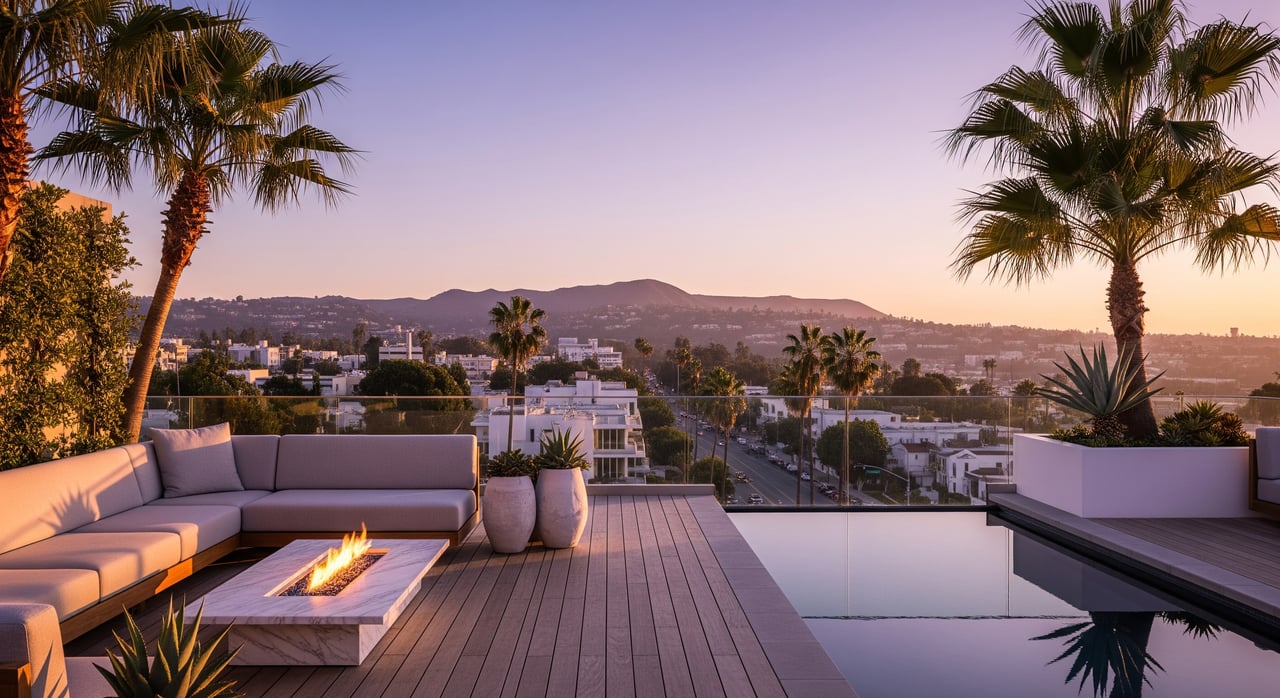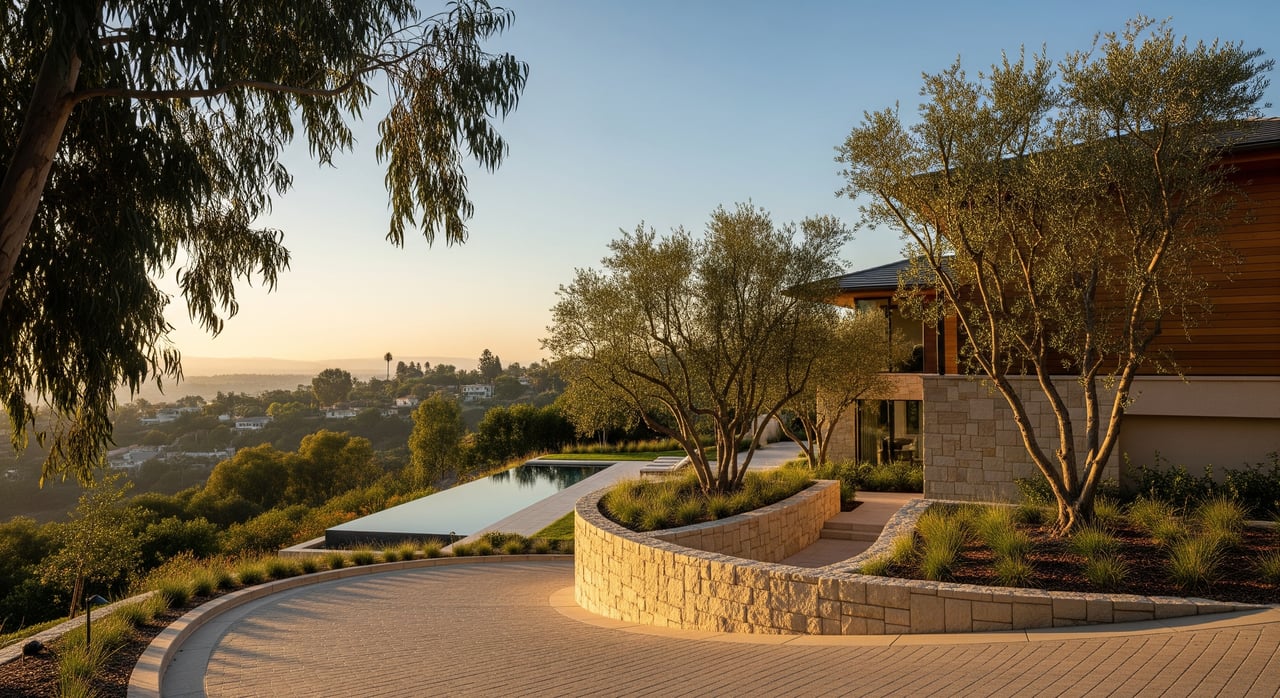
If you are drawn to Los Angeles homes that feel hidden, design-driven, and connected to the landscape, Laurel Hills deserves a closer look. This pocket of the Laurel Canyon area offers a rare mix of hillside privacy, architectural character, and practical access to the wider Westside. For buyers who want canyon calm without giving up city reach, Laurel Hills tells a compelling story. Let’s take a closer look.
Why Laurel Hills Feels Different
Laurel Hills sits within the Bel Air–Beverly Crest Community Plan Area on the southern slopes of the Santa Monica Mountains. In practical terms, that means a steep hillside setting, winding streets, and a neighborhood pattern shaped by terrain rather than a flat city grid. The result is a tucked-away residential feel that stands apart from more conventional parts of Los Angeles.
This is an overwhelmingly residential area made up mostly of single-family homes. The roads curve with the hills, and many properties feel set apart from the street. That physical layout plays a major role in why Laurel Hills often feels calm, secluded, and removed from the faster pace of the city.
At the same time, Laurel Hills remains connected. Key routes such as Mulholland Drive, Laurel Canyon Boulevard, Sunset Boulevard, and the I-405 help link the neighborhood to surrounding parts of Los Angeles. You get a retreat-like setting, but not total isolation.
The Appeal of Canyon Living
Canyon living is not about walkable density or a traditional street grid. Its appeal comes from a different set of qualities: privacy, topography, mature landscape, and homes that often open toward views rather than toward the street. If that sounds like your version of Los Angeles living, Laurel Hills may feel like a natural fit.
Many buyers respond to the sense of arrival here. Streets bend with the hillside, homes may sit above or below the road, and the neighborhood unfolds gradually rather than all at once. That creates a quieter rhythm and a more protected feel than you often find in flatter urban settings.
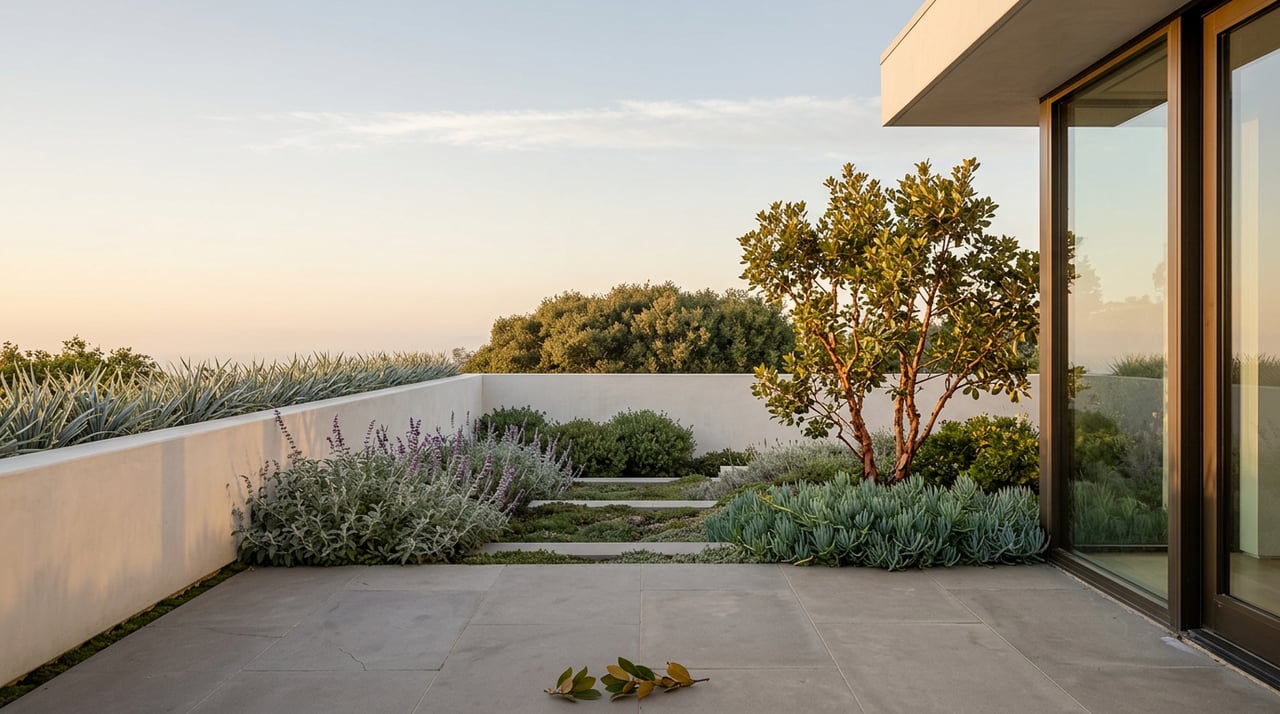
There is also a strong relationship between the built environment and the land itself. In hillside neighborhoods like this, the terrain is not just background. It actively shapes how homes are placed, how outdoor space is used, and how daily life feels from room to room.
Mid-Century Style Has a Real Presence
The title “mid-century living” fits Laurel Hills, but with an important nuance. The neighborhood is not exclusively mid-century. SurveyLA identifies a broader architectural mix across Bel Air–Beverly Crest, including Period Revival, Ranch, Mid-Century Modern, and later contemporary homes.
Still, mid-century design is one of the area’s defining layers. That matters because it helps explain why so many homes in and around Laurel Hills feel especially responsive to the hillside setting. These are often houses designed to engage light, views, and indoor-outdoor flow in a direct and thoughtful way.
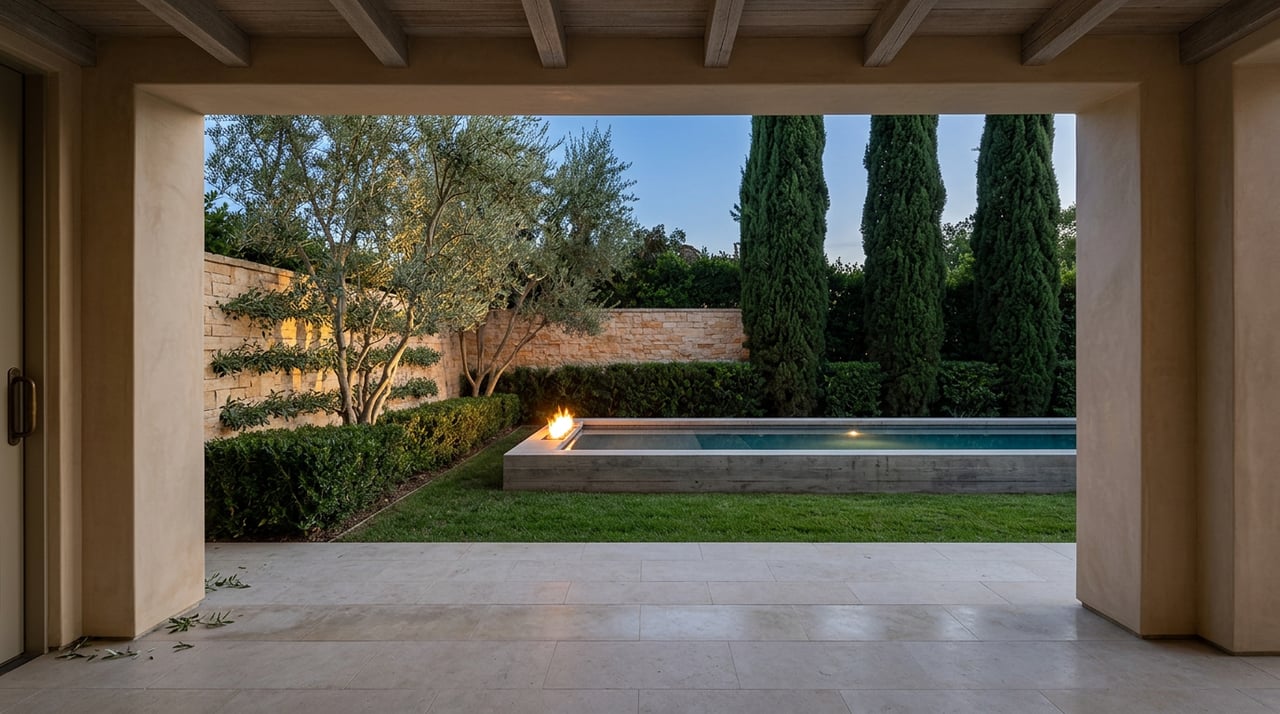
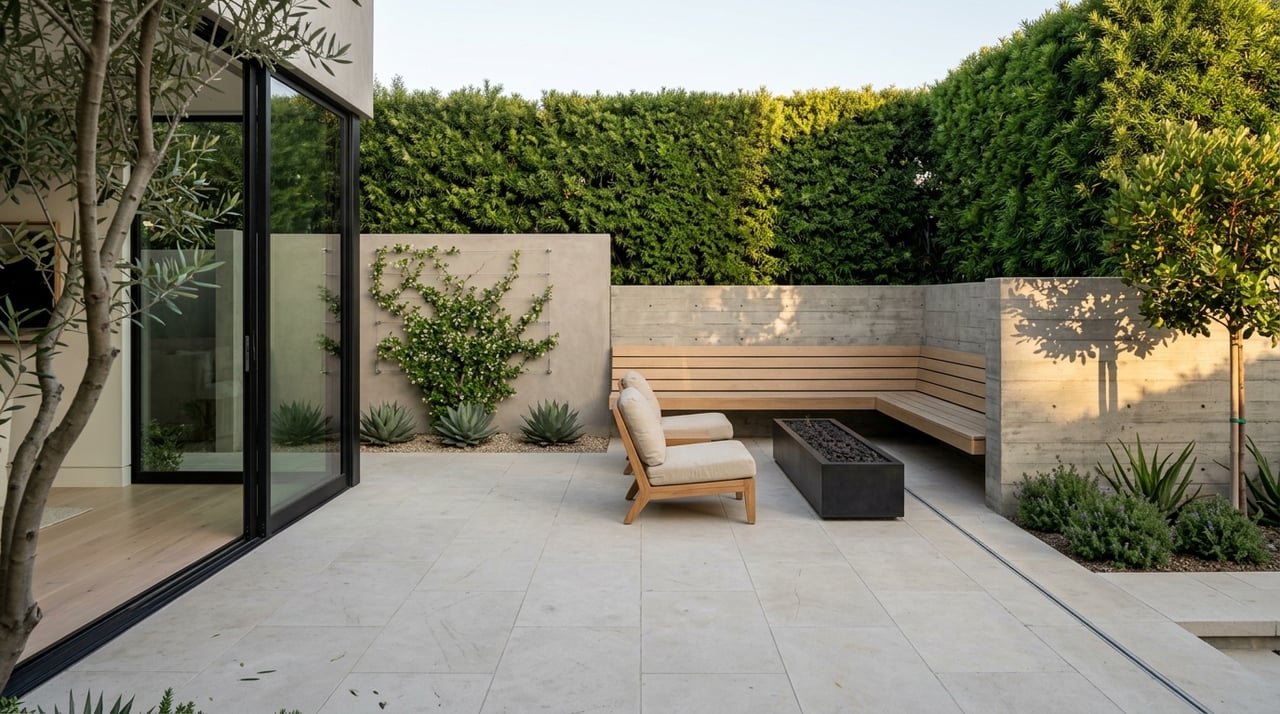
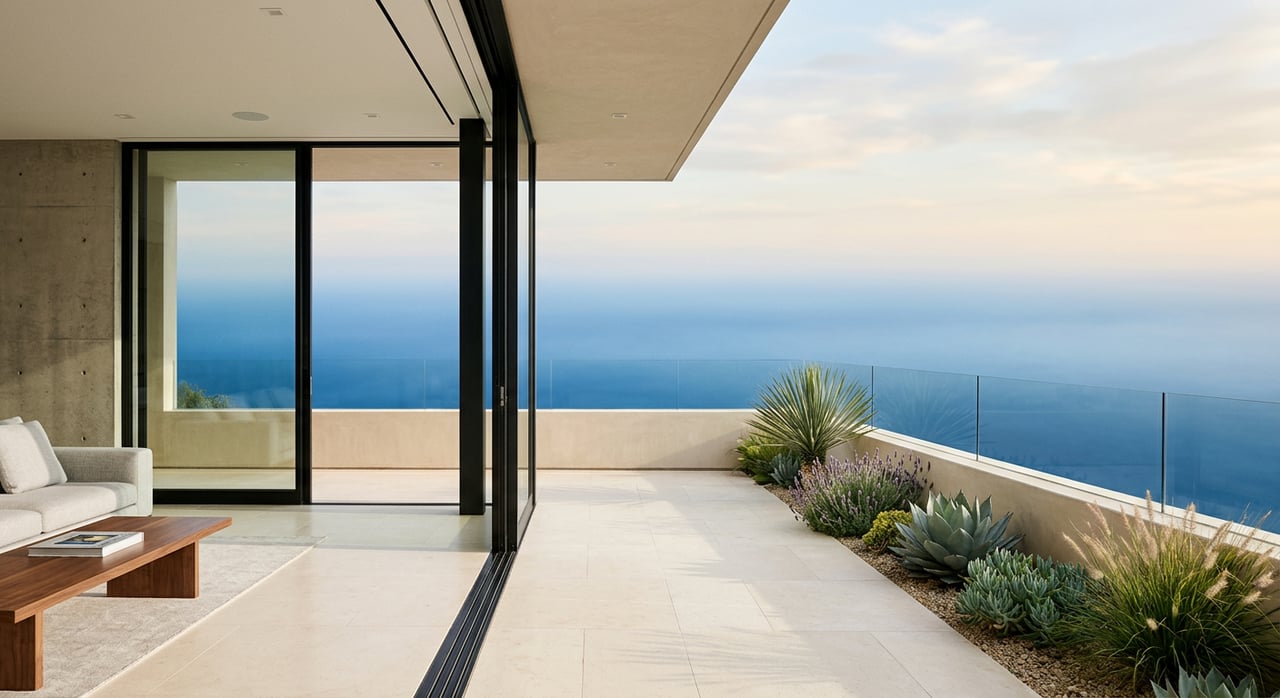
SurveyLA also notes an important detail about many mid-century homes in the area: they are often oriented toward the rear to capture views. From the street, a house may appear understated. From the back, it may open dramatically to the canyon, terrace, or landscape.
What Laurel Hills Architecture Looks Like
A representative 1964 Laurel Canyon home helps illustrate the local design language. Its features include wood post-and-beam construction, large expanses of glass, open floor plans, cantilevers, overhangs, and a seamless connection between indoors and outdoors. Those qualities were especially well suited to steep sites where standard flat-lot house forms made less sense.
That architectural logic still resonates today. In Laurel Hills, modern design is often less about showiness and more about siting, light, privacy, and the experience of moving through a home. The land shapes the architecture, and the architecture responds in kind.
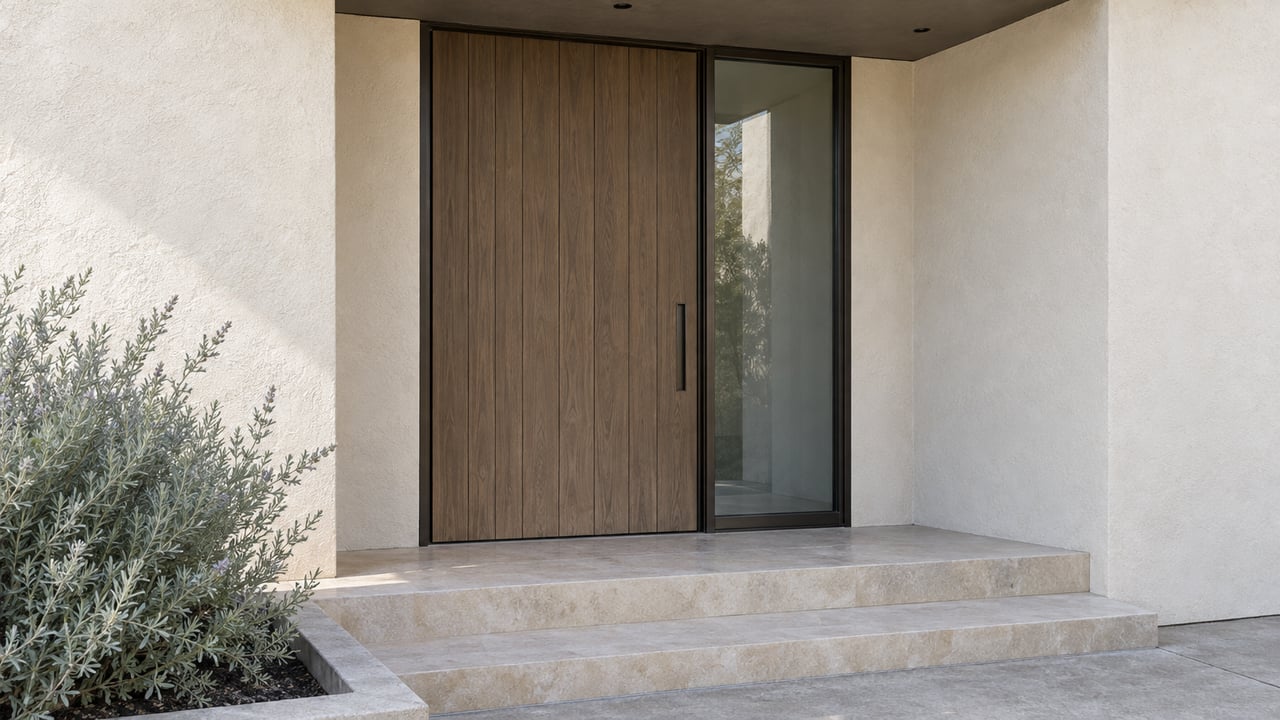
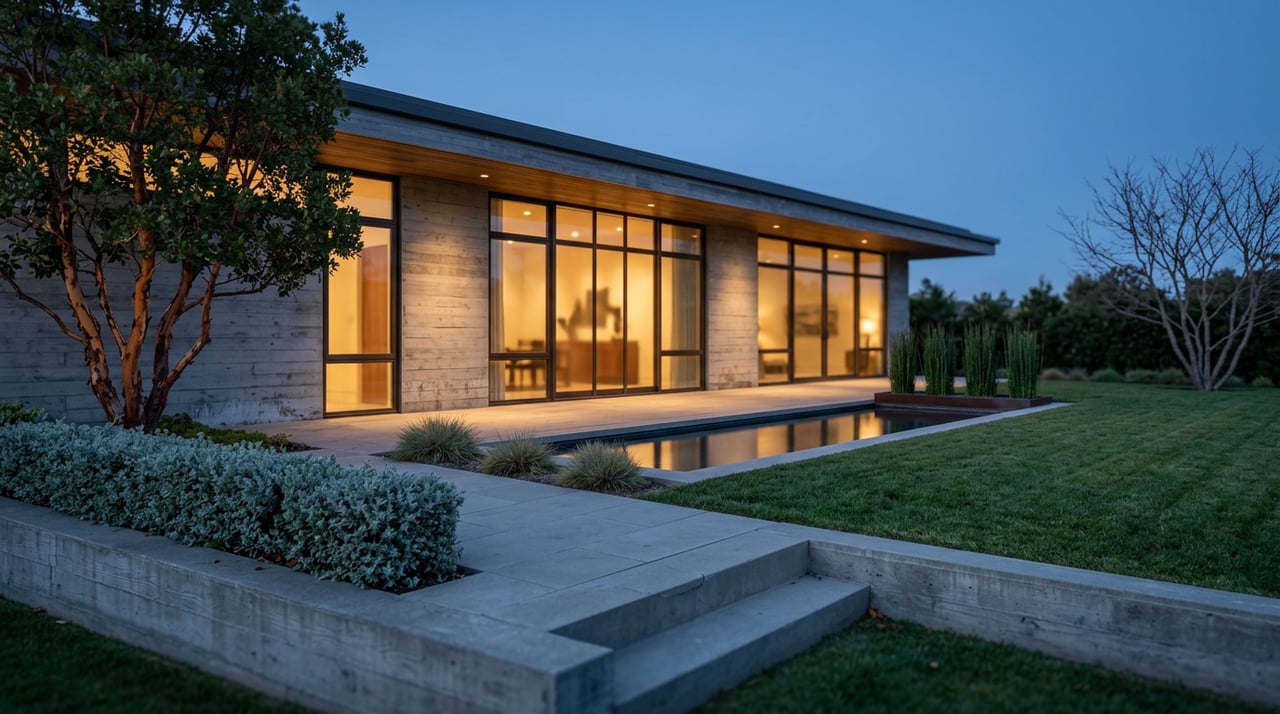
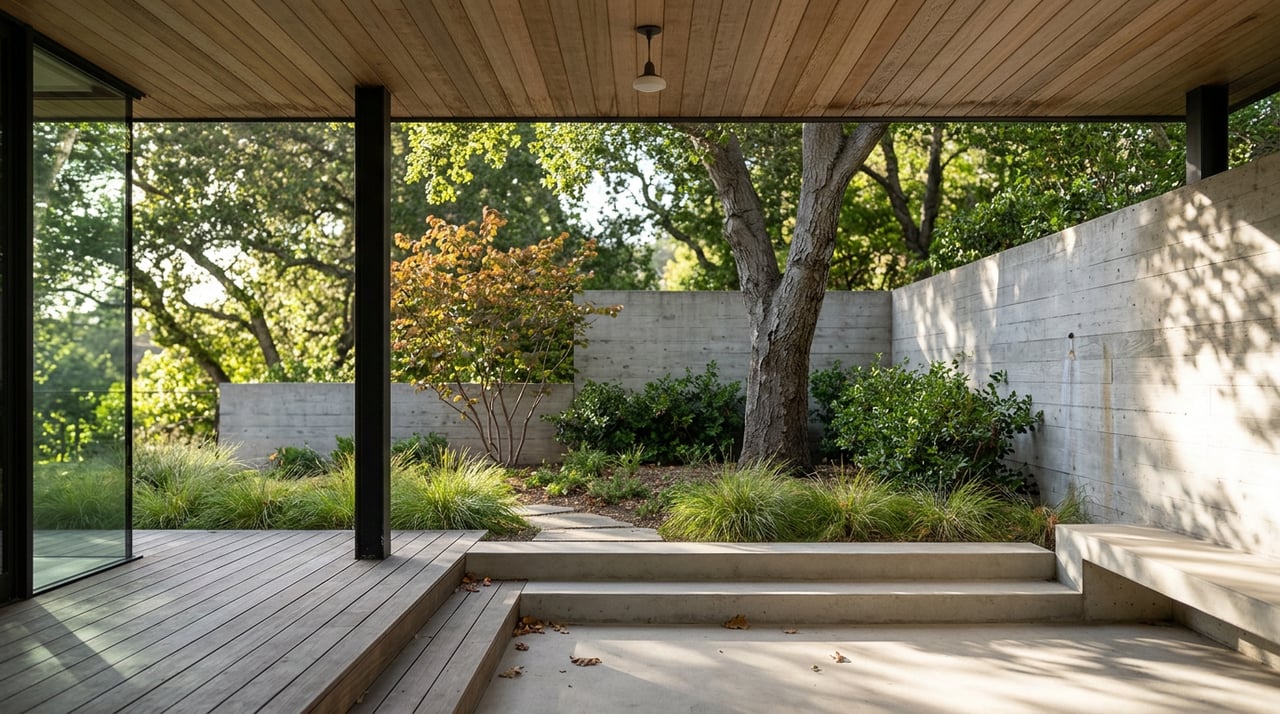
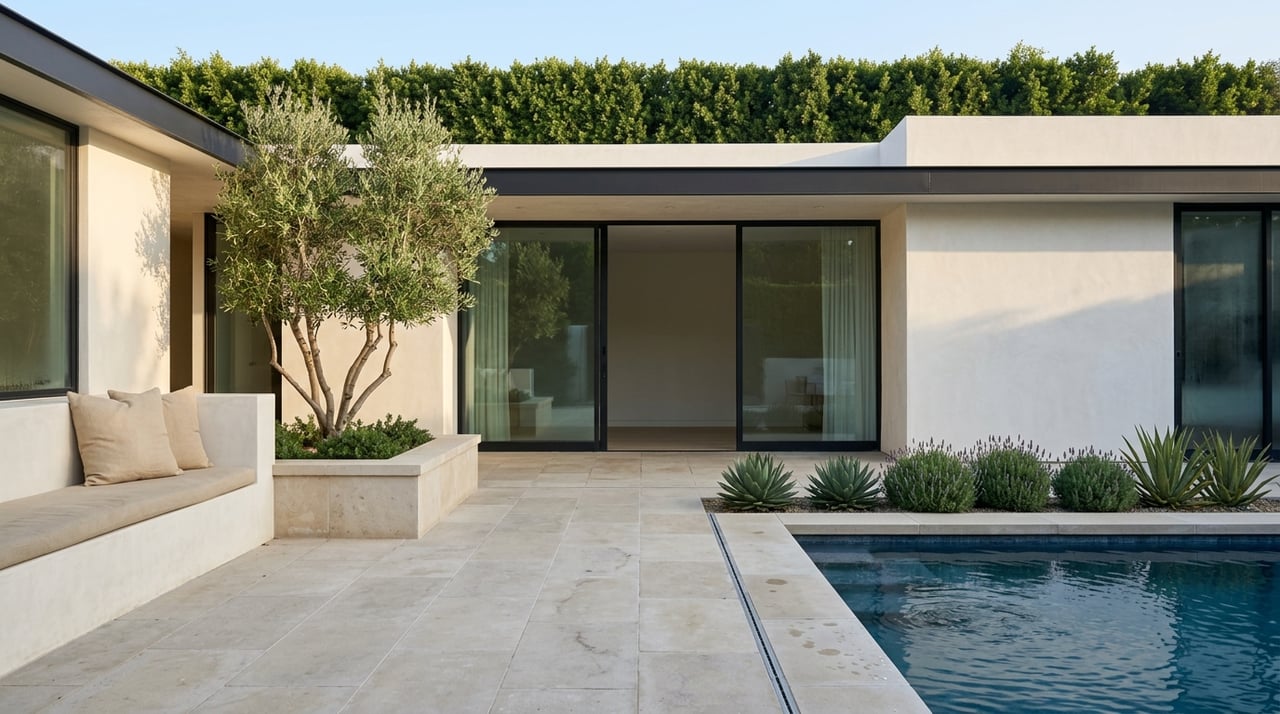
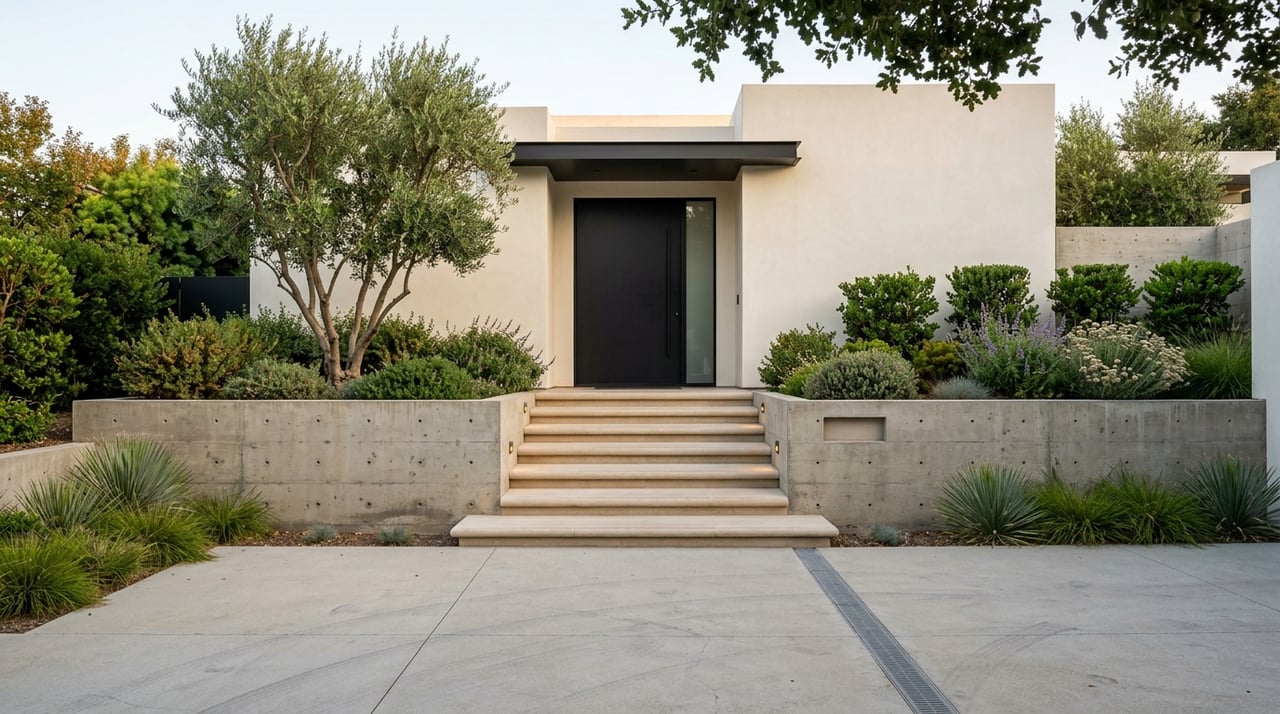
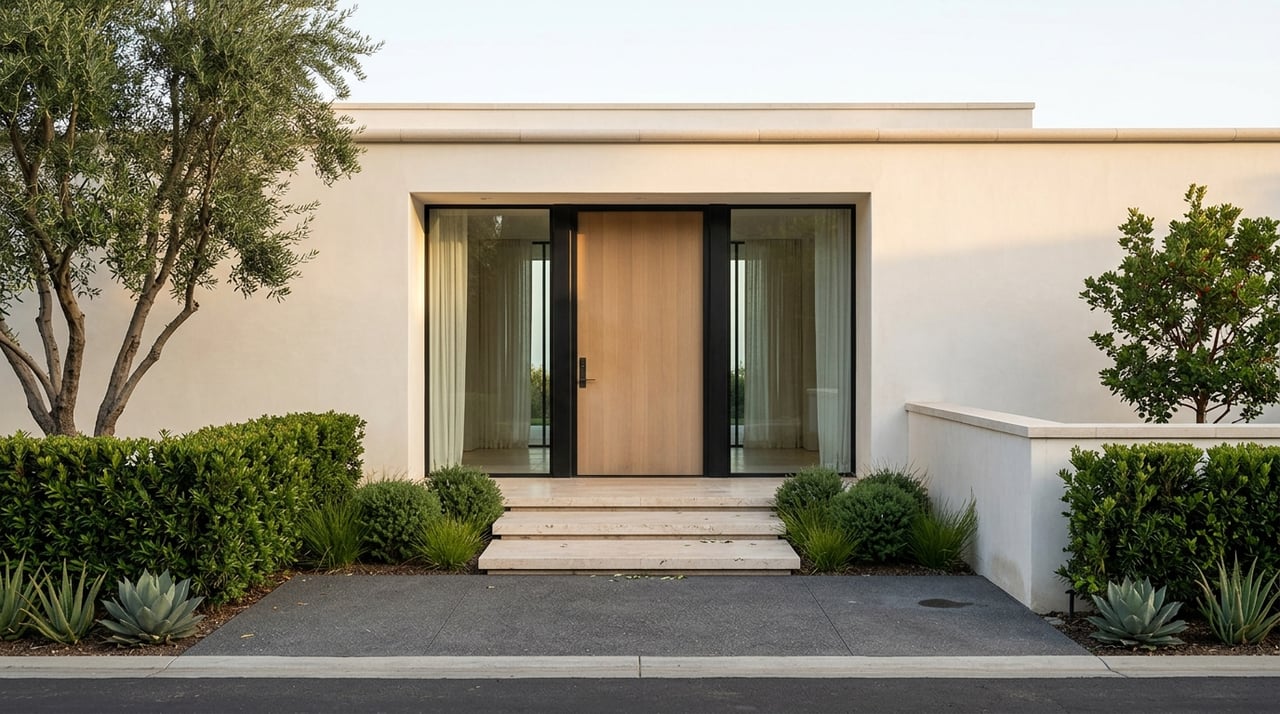
A more recent Laurel Hills residence by Assembledge+ shows how that design approach continues in a contemporary register. Described as a single-story home made of three pavilions linked by glass hallways, it uses mature trees, a secluded inward-facing plan, and a restrained cedar-and-charcoal palette to create a calm, landscape-driven feel. It is a reminder that Laurel Hills can read as both modern and timeless, not simply retro.
Privacy Is Part of the Lifestyle
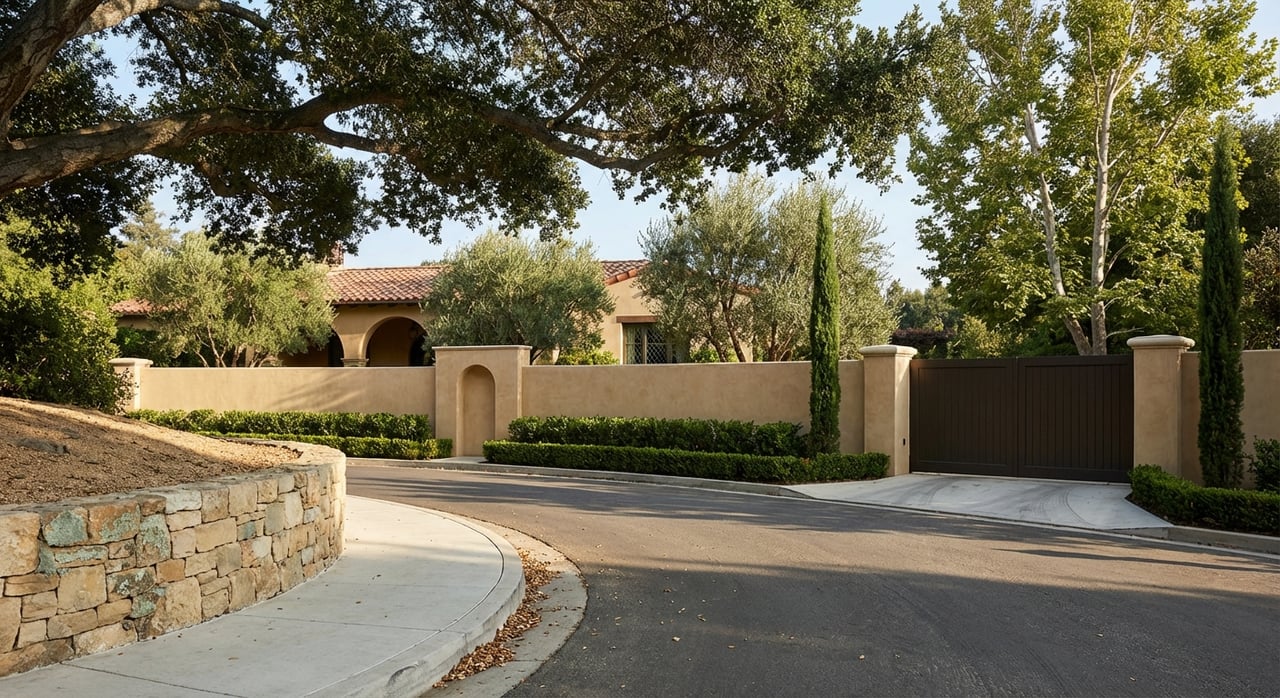
One of the most consistent themes in Laurel Hills is privacy. Compared with grid-based neighborhoods, the area tends to feel more shielded because streets curve with the terrain, lots are often partially hidden, and many homes direct their main living experience toward the rear of the property.
That does not mean every home is the same, but it does help explain the neighborhood’s reputation. Here, privacy often comes from the combination of topography, landscaping, and architectural orientation rather than from size alone. For many buyers, that is a major part of the appeal.
This setting has long attracted residents who value a self-contained atmosphere. The broader Laurel Canyon area became especially well known in the 1960s and 1970s as a cultural landmark, and it has remained popular with entertainment-industry residents in part because the canyons feel private and apart from the city, even while staying accessible to it.
Nature Is Close at Hand
Franklin Canyon Park is the clearest nearby open-space reference point for Laurel Hills. Located between Beverly Hills and the San Fernando Valley, the park spans 605 acres and includes chaparral, oak woodlands, a reservoir, a duck pond, and more than five miles of hiking trails. It adds a meaningful nature buffer to the area without taking you far from Los Angeles.
For day-to-day living, that matters. Easy-to-moderate trails, a reservoir loop, a nature center, and broad canyon views give residents a practical way to enjoy outdoor space close to home. The park also reinforces the larger identity of this part of Los Angeles as a place where landscape remains central to the living experience.
Franklin Canyon Park has also served as a backdrop for many Hollywood productions. That detail adds to the area’s character, but more importantly, it reflects the visual qualities that make this pocket of the city so distinct: layered hillsides, mature greenery, and a sense of separation from the urban grid.
A Brief Look at Laurel Hills History
Laurel Canyon’s early development included subdivision ideas, modest vacation retreats, and roads built for automobile access. For years, the area held onto a rustic, country-like atmosphere. That early pattern still helps explain why the neighborhood feels different from flatter Los Angeles districts that grew around a more regular street plan.
After World War II, another wave of residential growth followed as new construction methods made it more feasible to build on steep slopes and cantilever over canyons. That period helped shape the area’s mid-century identity and left a lasting architectural imprint. In Laurel Hills today, you can still see how that era influenced the relationship between house, site, and view.
Who Laurel Hills Often Appeals To
Laurel Hills tends to attract buyers who want more than a house. They are often looking for a setting, a mood, and a distinct way of living in Los Angeles. Based on the area’s topography, privacy, and architectural mix, the neighborhood often appeals to people who value design-forward homes, a quieter canyon environment, and direct access to the city without urban density.
That can mean different things for different buyers. Some are drawn to original or updated mid-century houses with strong architectural bones. Others are looking for contemporary homes that take cues from the same landscape-sensitive tradition.
If you appreciate homes that reveal themselves gradually, use glass and orientation thoughtfully, and feel embedded in the hillside rather than imposed upon it, Laurel Hills offers a compelling framework. It is not a one-note neighborhood, and that is part of its strength.
What To Keep In Mind When Touring Homes
When you explore homes in Laurel Hills, it helps to look beyond curb presence alone. Because many houses are quieter from the street and open more dramatically toward the rear, the real experience often unfolds once you move inside or step into the outdoor living areas.
Pay close attention to how a home sits on its lot and how it relates to the canyon. Notice where the light comes from, how rooms connect to decks or patios, and whether the layout takes advantage of privacy and views. In this neighborhood, those details often matter as much as square footage.
It is also worth thinking about what kind of architectural experience you want. Some buyers are happiest with classic post-and-beam character and period detail. Others prefer a more contemporary interpretation of canyon modernism, with minimalist finishes and a more inwardly composed plan.
Why Laurel Hills Holds Lasting Appeal
Laurel Hills combines several qualities that are hard to replicate in one place: a residential hillside setting, notable architectural variety, strong mid-century influence, and close proximity to meaningful open space. It feels private without feeling cut off, and scenic without losing connection to the city.
For buyers seeking a Los Angeles neighborhood defined by architecture and atmosphere rather than density and buzz, Laurel Hills stands out. Its homes are shaped by the canyon, its streets follow the land, and its identity remains tied to both design and calm.
If you are considering a move in Laurel Hills or looking for a home with architectural substance in a secluded Westside setting, guidance from a broker with local insight and design fluency can make a meaningful difference. To start a confidential conversation, connect with Steve Frankel.
FAQs
What is Laurel Hills in Los Angeles known for?
- Laurel Hills is known for its hillside setting within the Laurel Canyon area, its private residential feel, and its mix of mid-century, ranch, period revival, and contemporary homes.
Is Laurel Hills mostly mid-century modern?
- No. Mid-century modern is an important part of the neighborhood’s architectural story, but the area also includes other styles such as Ranch, Period Revival, and later contemporary design.
What makes Laurel Hills feel private?
- Laurel Hills often feels private because its streets curve with the terrain, many lots are partially hidden from the road, and numerous homes are designed to open toward the rear and the view.
What outdoor space is near Laurel Hills homes?
- Franklin Canyon Park is the major nearby open-space amenity, with 605 acres, a reservoir, a duck pond, oak woodlands, chaparral, and more than five miles of hiking trails.
What kind of buyer does Laurel Hills usually suit?
- Laurel Hills often suits buyers who want design-forward homes, a quieter canyon setting, and access to the city without the feel of a dense urban neighborhood.