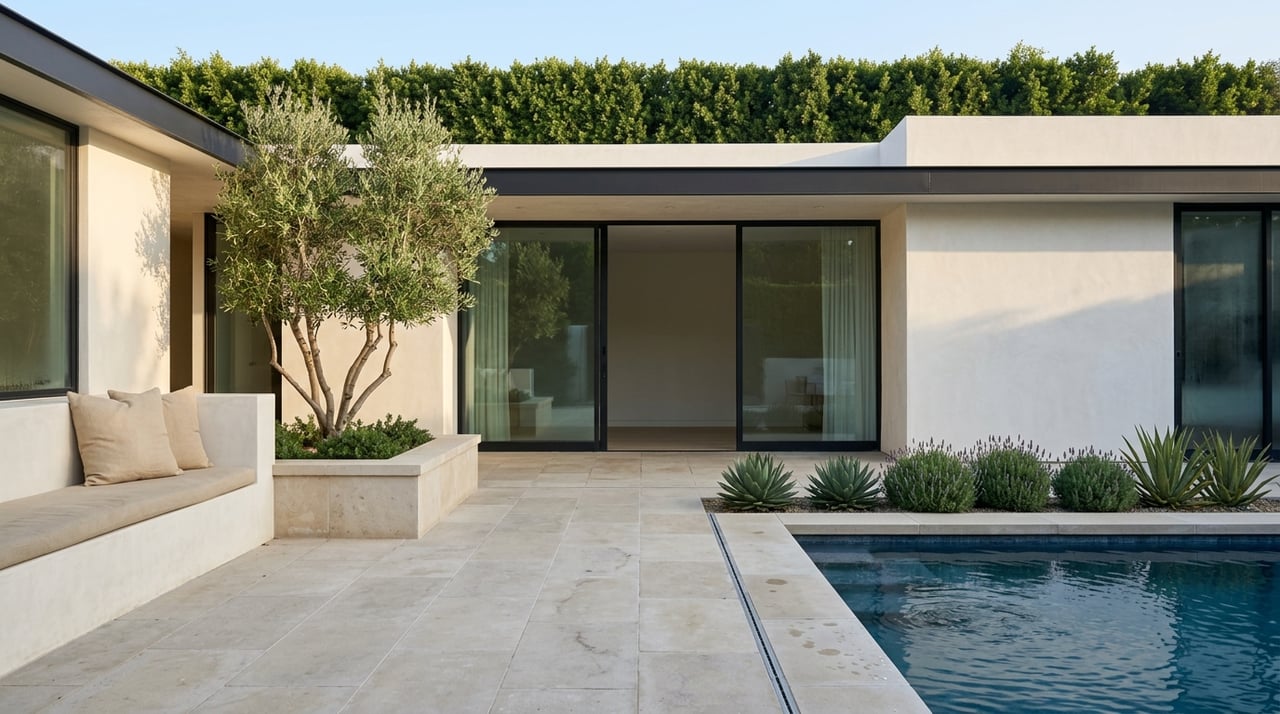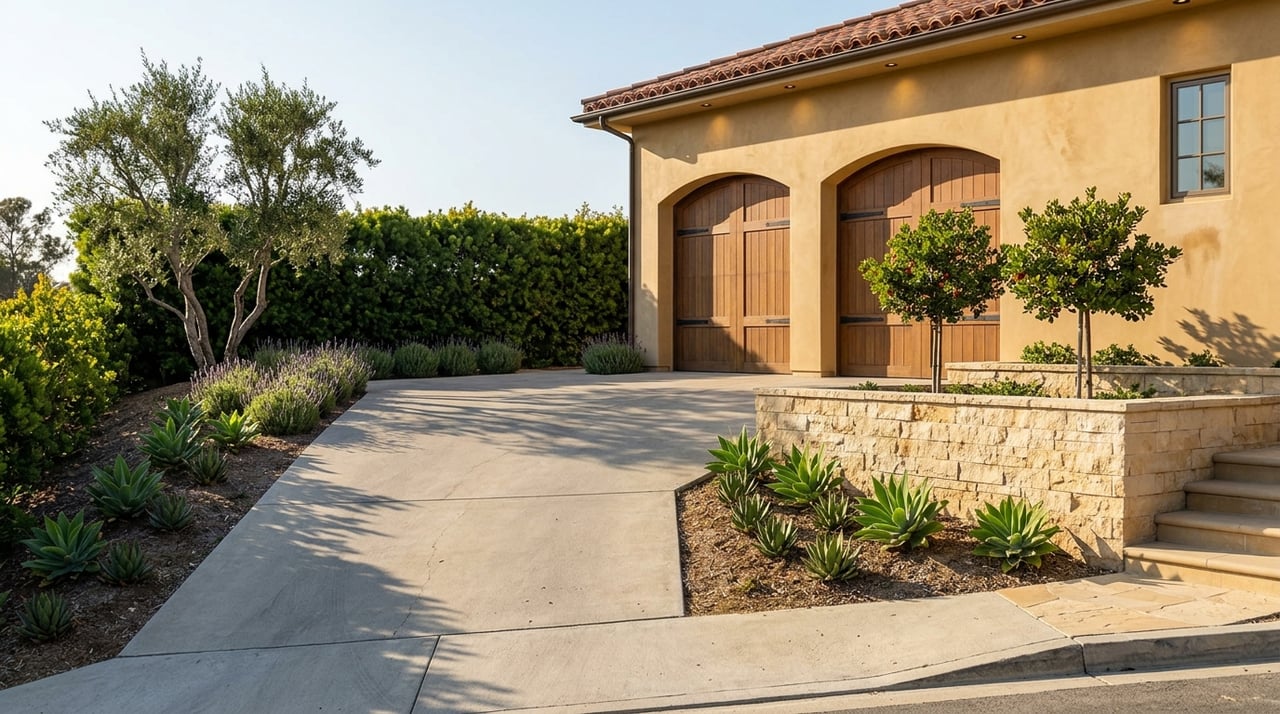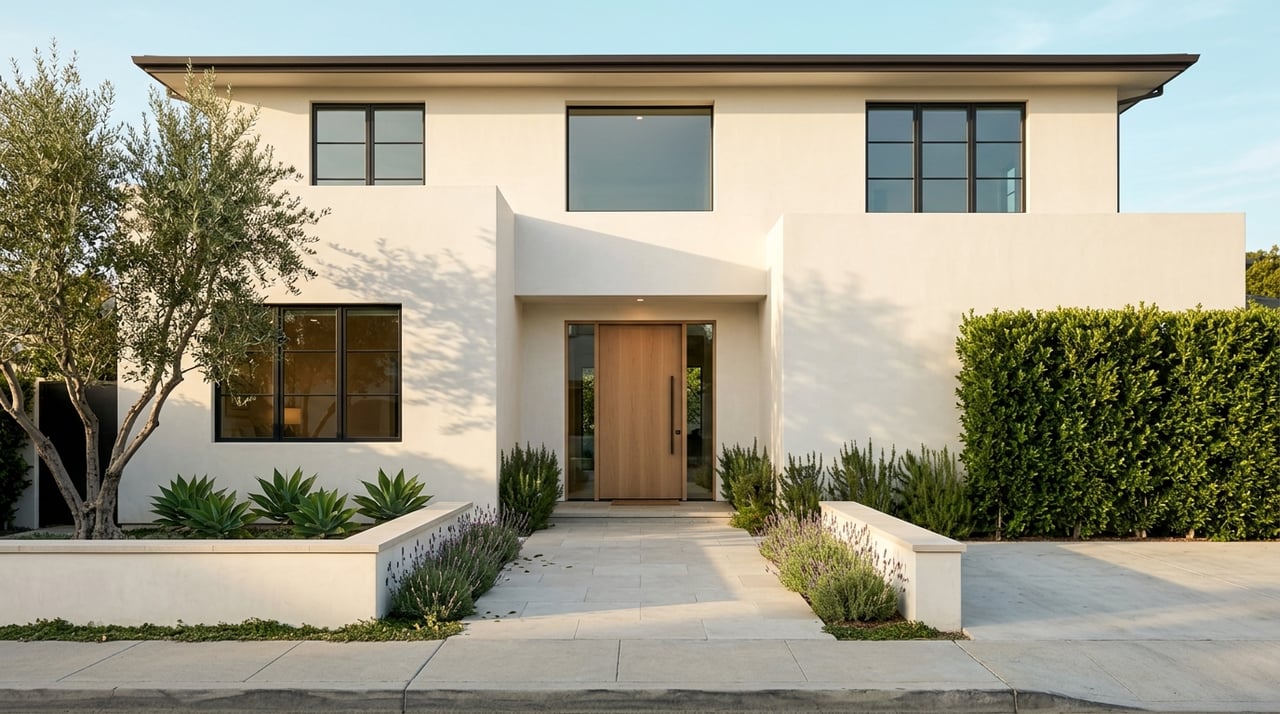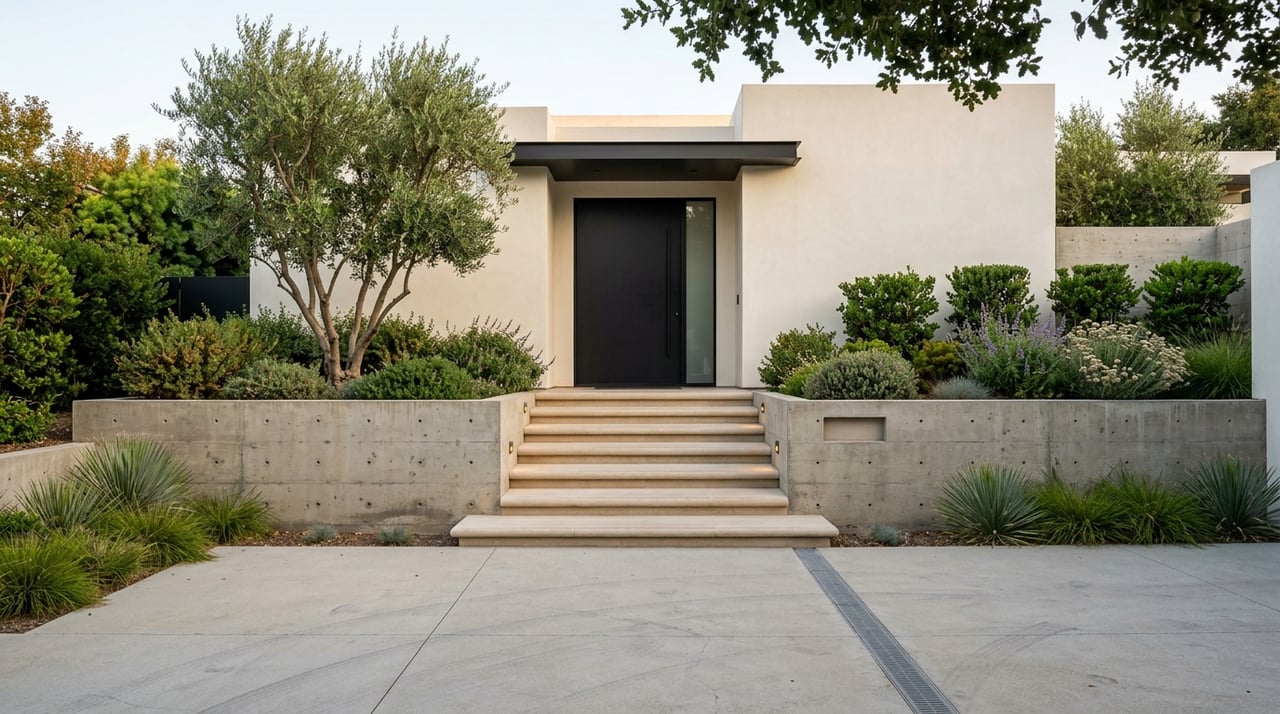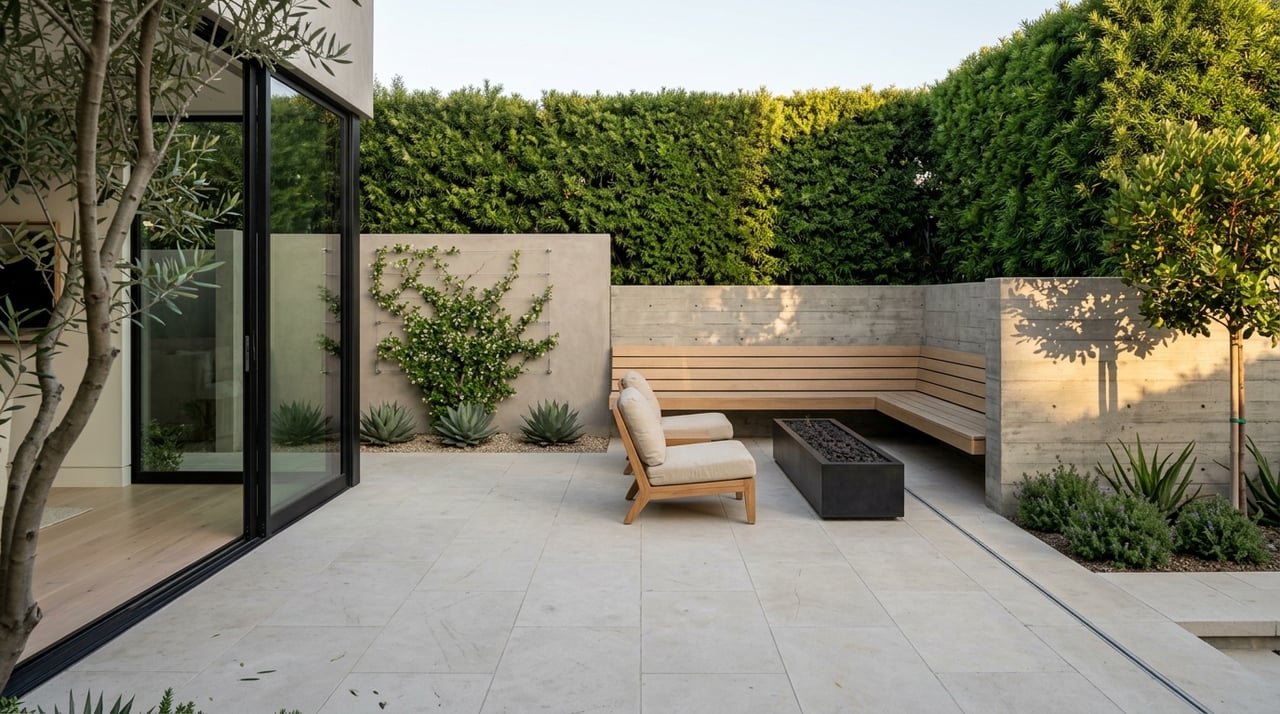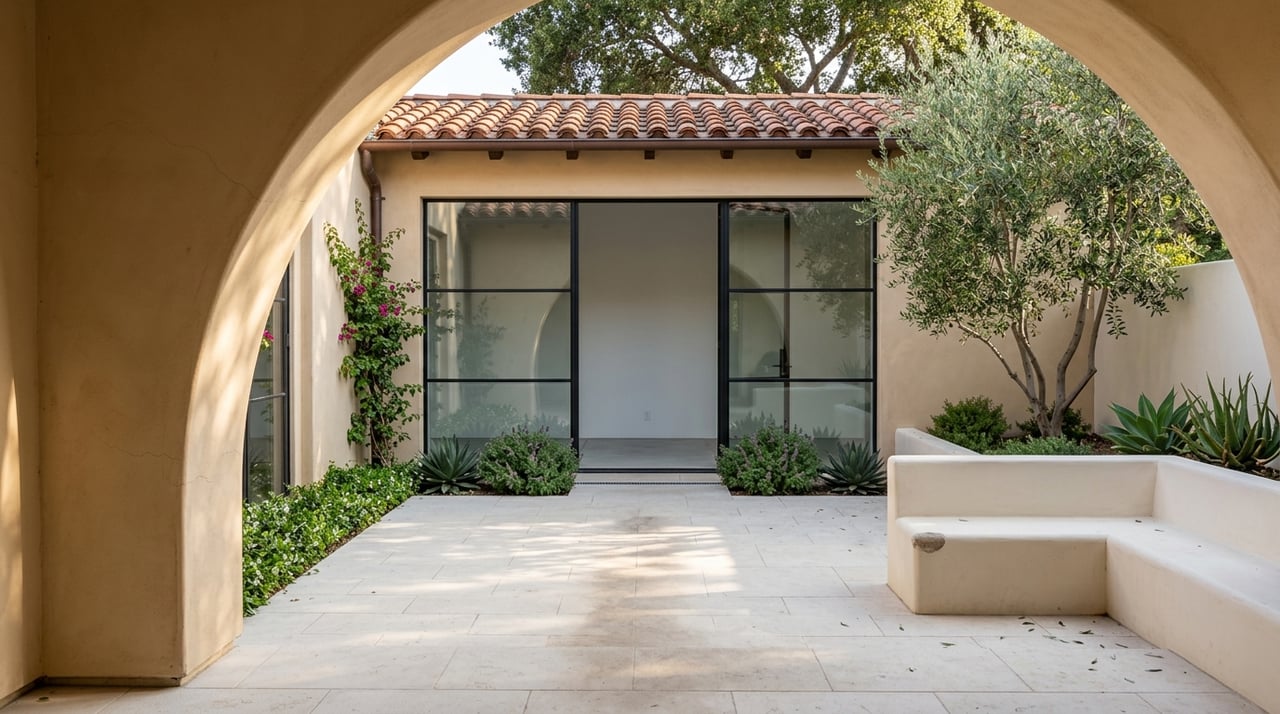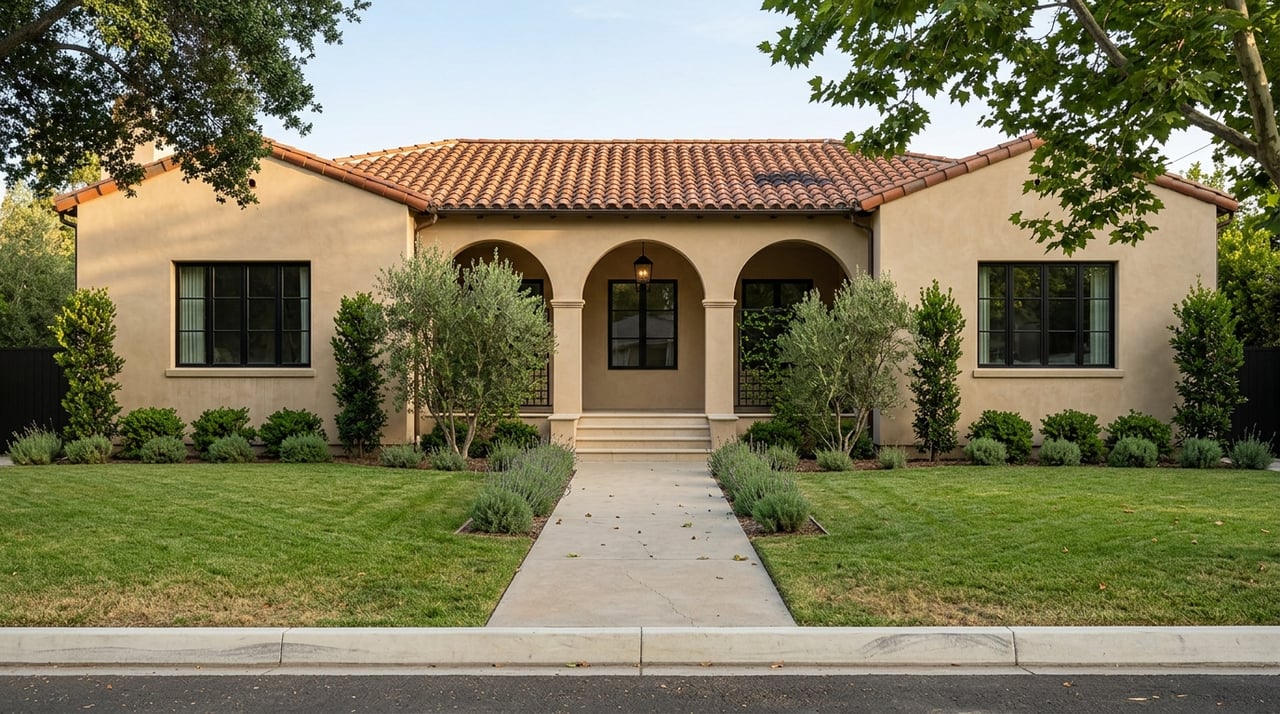
If you are searching for a luxury home in Brentwood, one of the biggest mistakes you can make is treating the neighborhood like a single product. Brentwood changes quickly from block to block, with differences in lot size, street pattern, privacy, and architectural style that can reshape your entire buying experience. Understanding those micro-neighborhoods helps you focus your search, save time, and target the part of Brentwood that truly fits how you want to live. Let’s dive in.
Why Brentwood Feels So Different
Brentwood is best understood as a collection of overlapping pockets rather than one uniform neighborhood. City Planning places it within the eastern half of the Brentwood-Pacific Palisades Community Plan Area, and City Council materials identify commercial districts along Wilshire, San Vicente, and Sunset, with roughly 42,000 residents and strong access to the broader Westside.
For you as a buyer, that means the better question is not simply whether you want Brentwood. The better question is which part of Brentwood matches your priorities for lot scale, privacy, architecture, and daily convenience.
How to Read Brentwood by Geography
The physical layout of Brentwood tells you a lot about the housing product. South of Sunset Boulevard, the area generally rises more gently, while the area south of San Vicente and just west of the 405 becomes more grid-like.
West of Barrington, streets tend to curve more and lots become more generous. North of Sunset, the neighborhood shifts into hills and canyons, especially around Mandeville Canyon and Kenter Canyon, where the setting feels more secluded and terrain-driven.
This pattern also shapes day-to-day living. City survey materials identify Brentwood Country Mart and Brentwood Village as key commercial clusters, which helps explain why the southern and central sections feel more service-oriented than the hillside pockets.
Brentwood Park: Estate-Scale Brentwood
If you picture classic old Brentwood with larger lots, mature trees, and a more established residential feel, Brentwood Park is often the clearest expression of that idea. SurveyLA describes it as one of Brentwood’s earliest subdivisions, originally mapped in 1906 across about 350 acres with roughly 500 parcels.
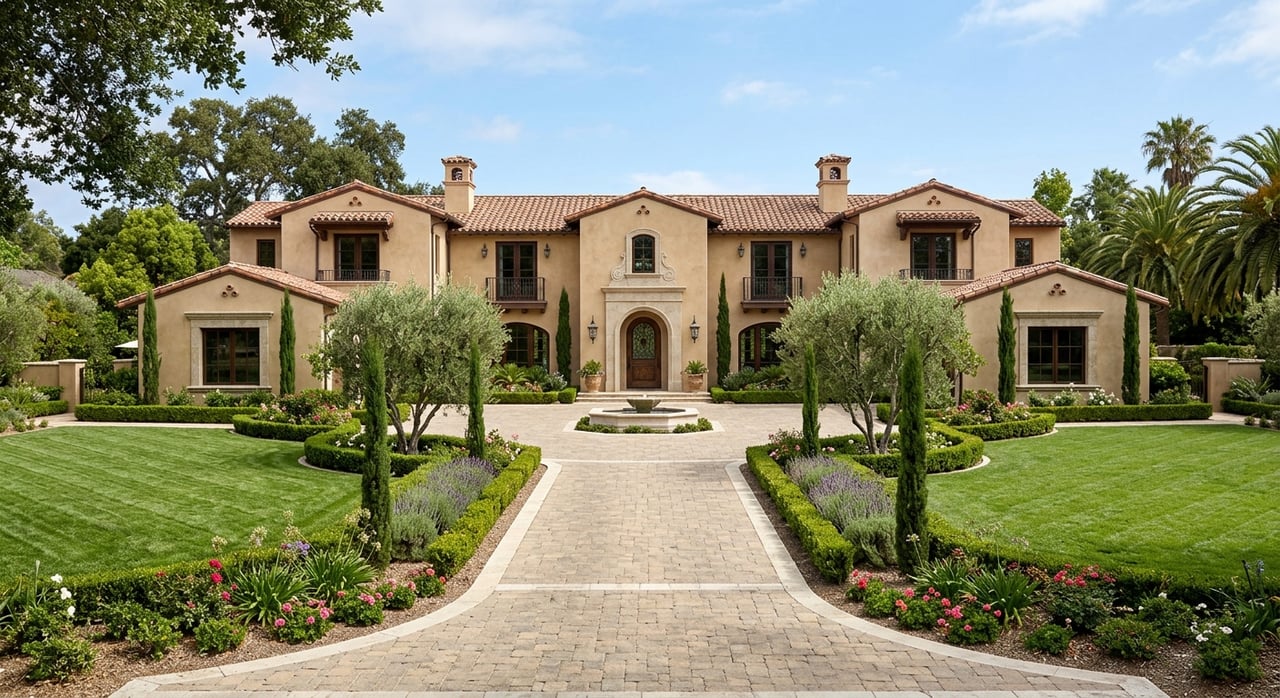
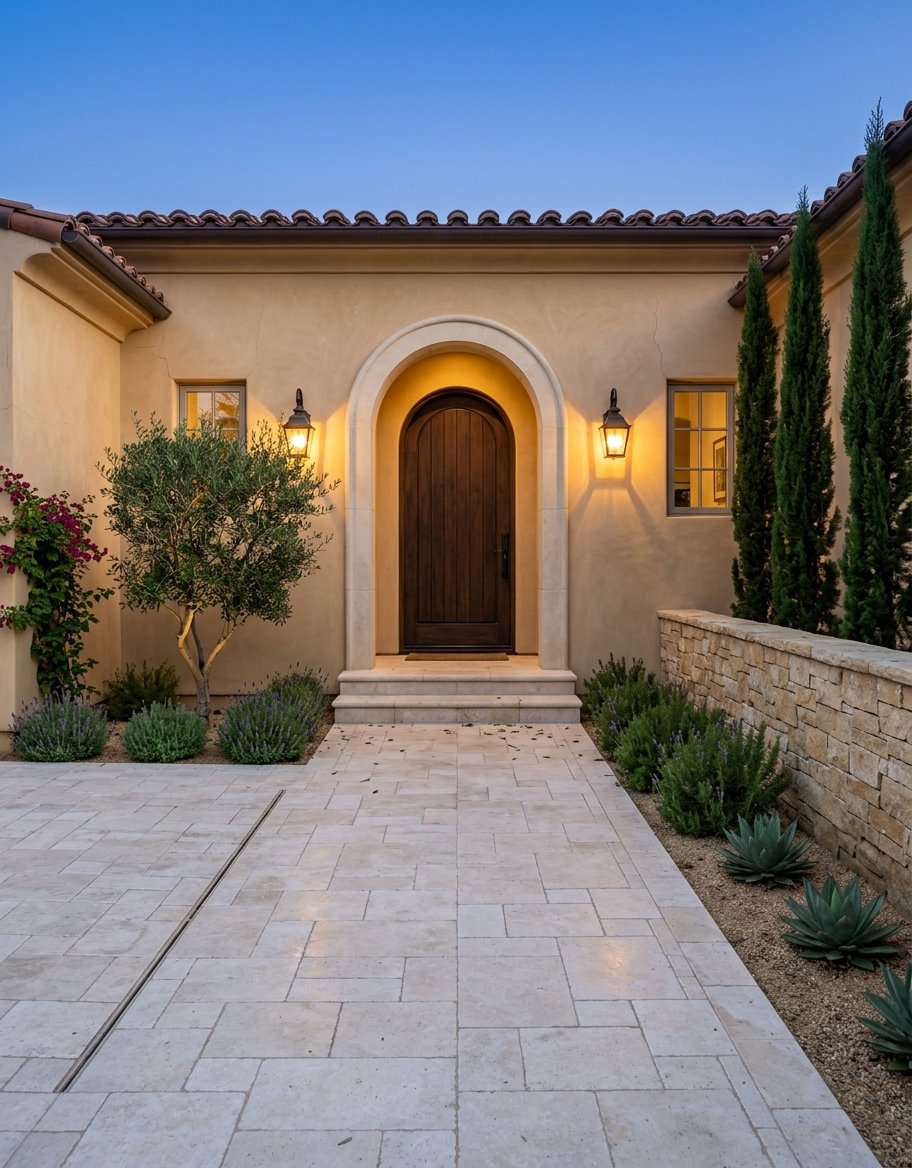
The district is defined by large single-family homes, mostly one and two stories, detached garages, curving streets, eight original traffic circles and ovals, and substantial lots, including some that exceed an acre. Original homes mainly date from the 1920s through the 1950s and include Period Revival, early Modern, and Ranch architecture.
The historical planning of Brentwood Park also matters. The original subdivision emphasized 100-foot frontages, deep setbacks, one house per lot, and a park-like street environment, which still shapes how the neighborhood feels today.
Why Buyers Focus on Brentwood Park
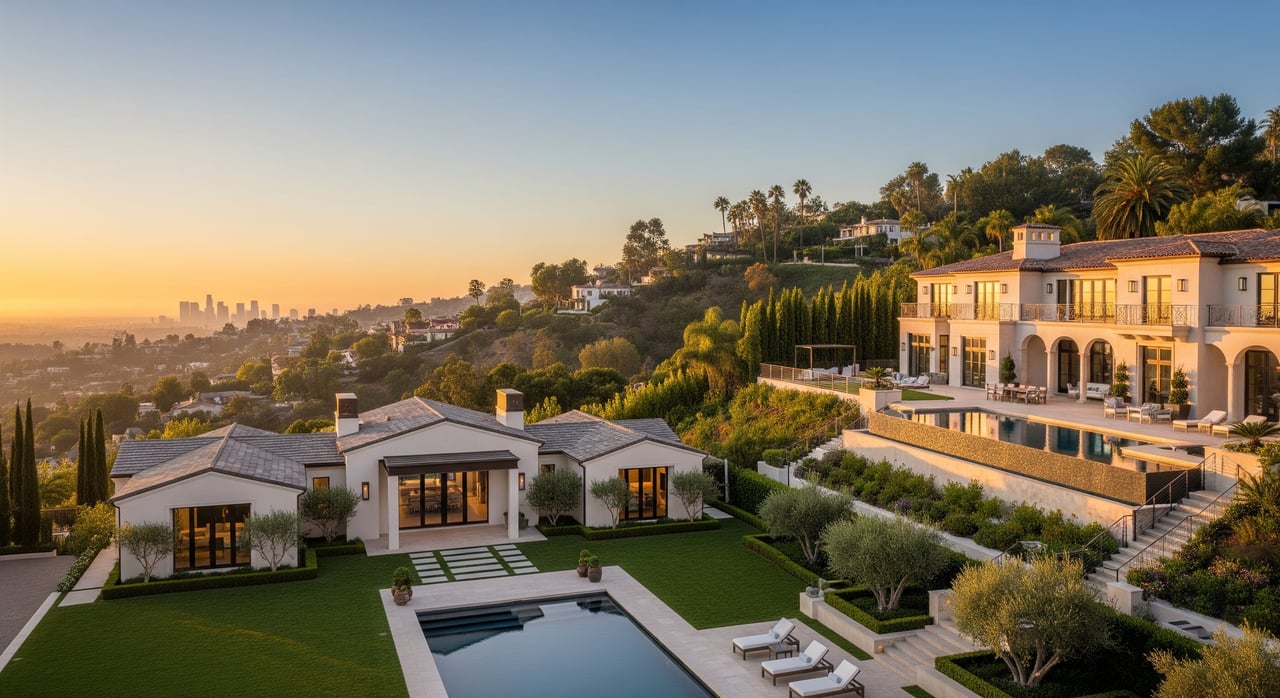
For luxury buyers, Brentwood Park stands out for scale and presence. The combination of larger parcels, mature landscaping, and historically established street patterns creates a setting that often appeals to buyers seeking privacy, architectural pedigree, and a traditional estate-style environment.
This is the pocket to study first if your search starts with land, setback, and a quieter residential atmosphere. In Brentwood, very few areas communicate that particular combination as clearly as Brentwood Park.
The Flats: Central and Convenient
In South Brentwood, the neighborhood becomes more practical and more urban in feel. Survey materials note that grid-patterned subdivisions dominate south of San Vicente Boulevard and immediately west of the 405, while the area between San Vicente and Sunset west of Barrington has gently curving streets and more generous lots.
This is also where you find many of Brentwood’s commercial services. The old streetcar-era commercial core along San Vicente, along with nearby neighborhood retail clusters, gives this part of Brentwood a more connected day-to-day rhythm.
What “the flats” Usually Means
For buyers, “the flats” is best treated as shorthand rather than a formal boundary. In practical terms, it usually points to the flatter, more central south-Brentwood core where you can expect easier circulation, a more neighborhood-service-oriented setting, and less of the hillside terrain that defines the canyon pockets.
If your priorities include quick access to shops, dining, and everyday errands, this part of Brentwood often deserves a close look. It can offer a different lifestyle than the larger estate areas, even when the distance between them is relatively small.
Brentwood Glen: Smaller Lots, Strong Identity
Brentwood Glen is one of the best-known smaller-lot pockets in the area. It sits west of the 405 and south of Sunset, and a Los Angeles Times profile describes it as a Westside enclave with about 560 residences, mostly single-family homes along with a small number of duplexes, triplexes, and apartment buildings.
Most lots are about 5,000 square feet, and many homes have Colonial character. Much of the original housing stock was built between 1935 and 1942 to house UCLA faculty, and the neighborhood association formally renamed the old Ratteree Tract as Brentwood Glen in 1969.
Why Brentwood Glen Appeals to Some Luxury Buyers
Not every luxury buyer wants the largest lot possible. Some want a Brentwood address in a flatter, more central setting where the homes are more compact and the neighborhood fabric feels consistent and established.
Brentwood Glen can be a strong fit if you value location and neighborhood identity over estate-scale land. It also offers a distinct architectural and historical character that feels different from both Brentwood Park and the canyon areas.
Brentwood Country Mart and Village Access
Convenience matters, especially when you are comparing Brentwood’s micro-neighborhoods. SurveyLA identifies Brentwood Country Mart as a 30,000-square-foot open-air shopping and food center with 22 retail stores and 6 eateries.
The same survey describes Brentwood Village as a small shopping center organized around parking courts and a pedestrian street, with most buildings dating to the 1950s. These commercial nodes help define the southern and central parts of Brentwood as the most service-connected areas for daily use.
For some buyers, this practical access is a major advantage. If you want a lifestyle shaped by nearby neighborhood retail and a more central base, the flats and nearby pockets may align better than the canyons.
Canyon Pockets: Privacy and Terrain
North of Sunset, Brentwood changes character quickly. SurveyLA notes that development in the canyons was shaped by the former California Botanic Garden in Mandeville Canyon, a 1938 flood, and postwar rebuilding that often centered on horse properties.
The upper canyon areas later attracted larger-scale single-family development after World War II. City Council materials also point to scenic trails above Mandeville Canyon as part of Brentwood’s appeal.
What Buyers Should Expect in the Canyons
In practical terms, the canyon pockets offer a different experience from the flats. You may find more privacy, more topographic variation, and a stronger sense that the home is shaped by the land rather than by a typical neighborhood grid.
If your search is driven by seclusion, hillside positioning, or architecture that responds to views and terrain, these northern pockets deserve focused attention. They offer a Brentwood experience that can feel very different within just a short drive.
Crestwood Hills: Brentwood’s Modernist Standout
In upper Kenter Canyon, Crestwood Hills is the clearest modernist pocket in Brentwood. City Planning records describe it as the Mutual Housing Association project formed in 1946, planned for 500 houses and community facilities on a hillside site at the edge of the Santa Monica Mountains.
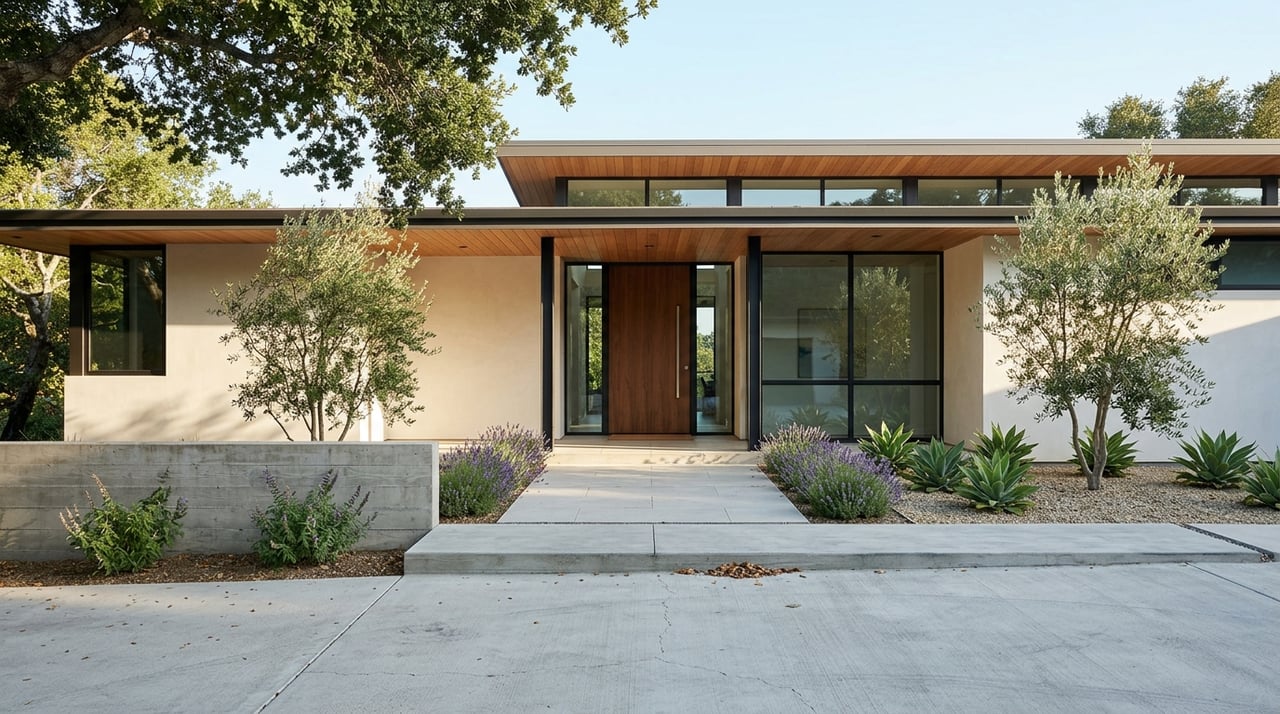
The city’s historic resources files note that the plan used limited grading to preserve views and maximize privacy. The architecture relied on concrete block, wood, expansive glass, and low-pitched roofs.
Historic Places LA identifies Crestwood Hills as the largest cooperative development in California and one of the few fully realized modernist projects in the state. For buyers with a strong interest in architectural history and hillside modernism, it is one of Brentwood’s most distinctive places to study.
Sullivan Canyon and Old Ranch Road
At the more rural end of the Brentwood market, Sullivan Canyon and Old Ranch Road stand apart. The city’s historic district record describes the area as significant for California Ranch-style houses by Cliff May, with generously sized lots, some over an acre and some over 2.5 acres.
The same record notes defining features such as no sidewalks, bridle paths, corrals, detached stables, split-rail fences, and curving streets that follow the terrain. It also states that the district was designed for equestrian use.
Who This Pocket Fits Best
If your idea of luxury includes land, a canyon setting, and a more secluded ranch-like environment, this is one of Brentwood’s clearest niche markets. The physical design and lot structure create a very specific lifestyle proposition that differs sharply from the flats and from more formal estate pockets.
For the right buyer, that difference is exactly the point. Sullivan Canyon and Old Ranch Road offer one of the strongest examples of Brentwood being a collection of distinct products rather than a single neighborhood story.
A Simple Framework for Your Search
When you narrow a Brentwood home search, it helps to sort the neighborhood by physical character instead of broad reputation.
- Choose Brentwood Park if you want classic estate character, deeper setbacks, mature trees, and larger lots.
- Focus on the flats or Brentwood Glen if you want a flatter setting, a more central location, and closer access to everyday services.
- Study Mandeville Canyon, Kenter Canyon, and Crestwood Hills if privacy, hillsides, and architecture are major priorities.
- Look at Sullivan Canyon and Old Ranch Road if you want the strongest ranch or equestrian-oriented setting with more land.
In Brentwood, a few hundred yards can shift the entire buying equation. You can move from estate lots to smaller tract-style lots, from grid streets to canyon roads, or from Period Revival homes to modernist and ranch architecture faster than many buyers expect.
That is why a more precise, block-by-block approach matters in this market. If you want help identifying which Brentwood pocket best fits your goals, Steve Frankel offers discreet, highly tailored guidance for Westside luxury buyers.
FAQs
What is the main difference between Brentwood Park and Brentwood Glen?
- Brentwood Park is known for larger lots, deeper setbacks, curving streets, and estate-style character, while Brentwood Glen is a smaller-lot pocket with about 5,000-square-foot lots and a more compact, central feel.
What does “the flats” usually mean in Brentwood?
- In buyer terms, “the flats” usually refers to the flatter, more central south-Brentwood core rather than a formal boundary, with easier access to neighborhood services and a less terrain-driven setting.
Which Brentwood areas are best for hillside privacy?
- North-of-Sunset pockets such as Mandeville Canyon, Kenter Canyon, and Crestwood Hills are the clearest areas to explore if you want more privacy, hillsides, and homes shaped by views and terrain.
What makes Crestwood Hills unique within Brentwood?
- Crestwood Hills is Brentwood’s standout modernist pocket, developed from a 1946 Mutual Housing Association plan and known for hillside design, preserved views, privacy, and architecture that uses glass, wood, concrete block, and low-pitched roofs.
Which Brentwood pocket has the strongest ranch or equestrian character?
- Sullivan Canyon and Old Ranch Road stand out for ranch-style homes, larger lots, bridle paths, corrals, detached stables, and a more secluded canyon setting designed for equestrian use.
Why should luxury buyers study Brentwood by micro-neighborhood?
- Brentwood changes quickly by block, so studying micro-neighborhoods helps you match your priorities for lot size, privacy, architecture, and convenience with the part of Brentwood that fits best.