If you picture the Sunset Strip as one single housing style, you will miss what makes 90069 so compelling. This is a compact, high-value market where hillside architectural homes and vertical residential living exist side by side, each offering a very different experience of Los Angeles. If you are trying to decide where you fit within that mix, understanding the built environment can save time and sharpen your search. Let’s dive in.
Why 90069 feels different
The 90069 ZIP code is small, dense, and expensive by almost any measure. ACS 2024 estimates show 20,961 residents, 15,654 housing units, 13,596 households, and an average household size of just 1.5 people. Median owner-occupied home value is $1,074,900, and median household income is $107,987.
Those numbers help explain why the area feels urban and high-value rather than suburban. You are looking at a market shaped by compact households, premium housing, and a strong mix of lifestyle-driven choices.
How the Sunset Strip is planned
The Sunset Strip is not growing by accident. West Hollywood’s Sunset Specific Plan divides Sunset Boulevard into eight geographic sections and applies standards, density strategies, and cultural-resource guidelines to each. The city’s goal is to keep the corridor vital for businesses, residents, and visitors.
That planning framework matters when you evaluate homes here. It helps explain why the Strip feels curated, highly visual, and distinctly urban, with low- and high-rise buildings, strong pedestrian activity, and a streetscape shaped in part by major signage.
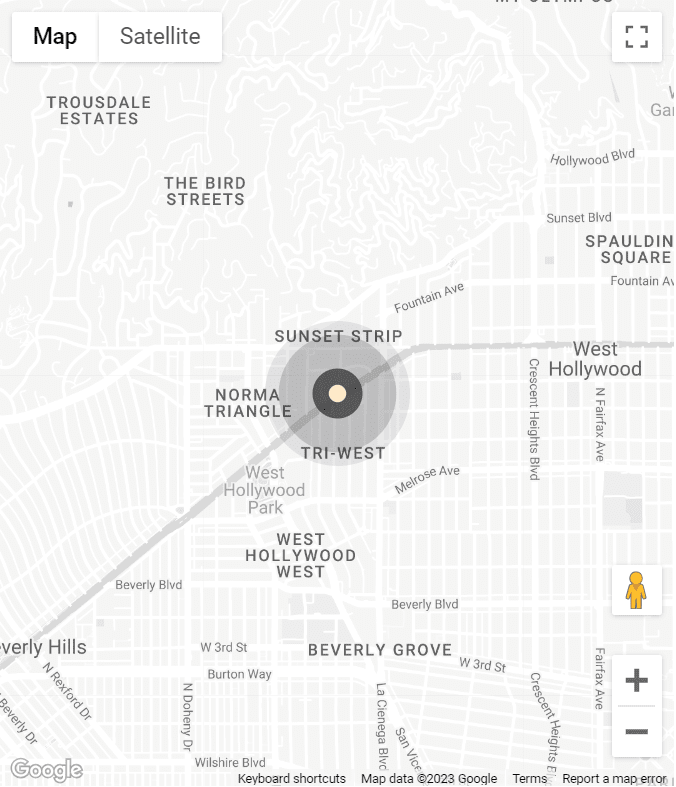
The corridor’s physical setting adds another layer. Official planning documents describe Sunset as running along the base of the Hollywood Hills, with rolling topography and frequent curves. In practical terms, that means the housing experience can change quickly from one block to the next.
Hillside architectural homes
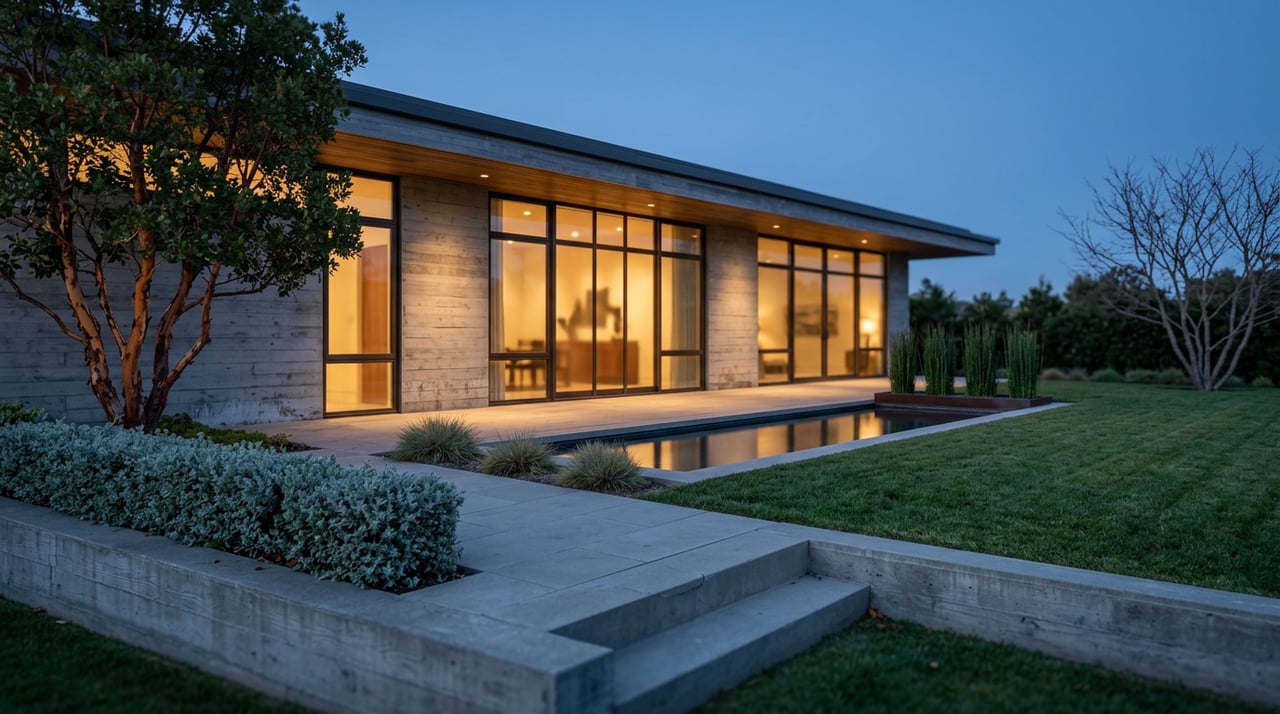
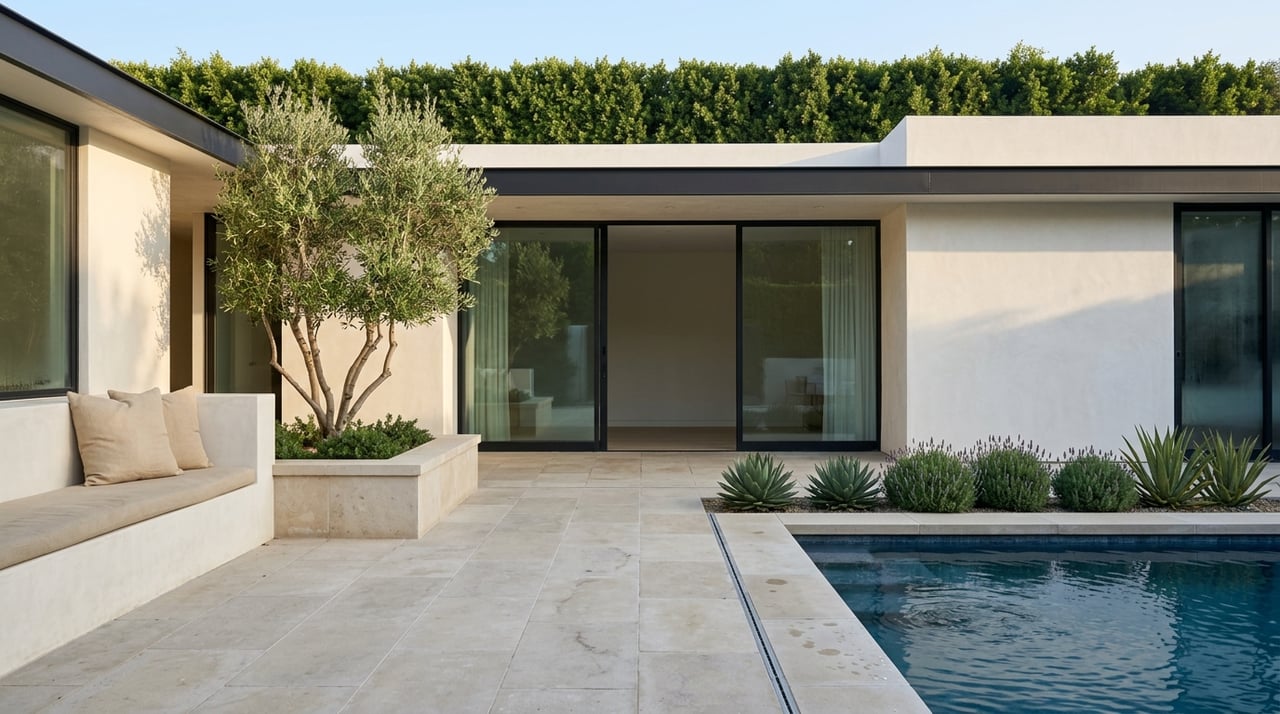
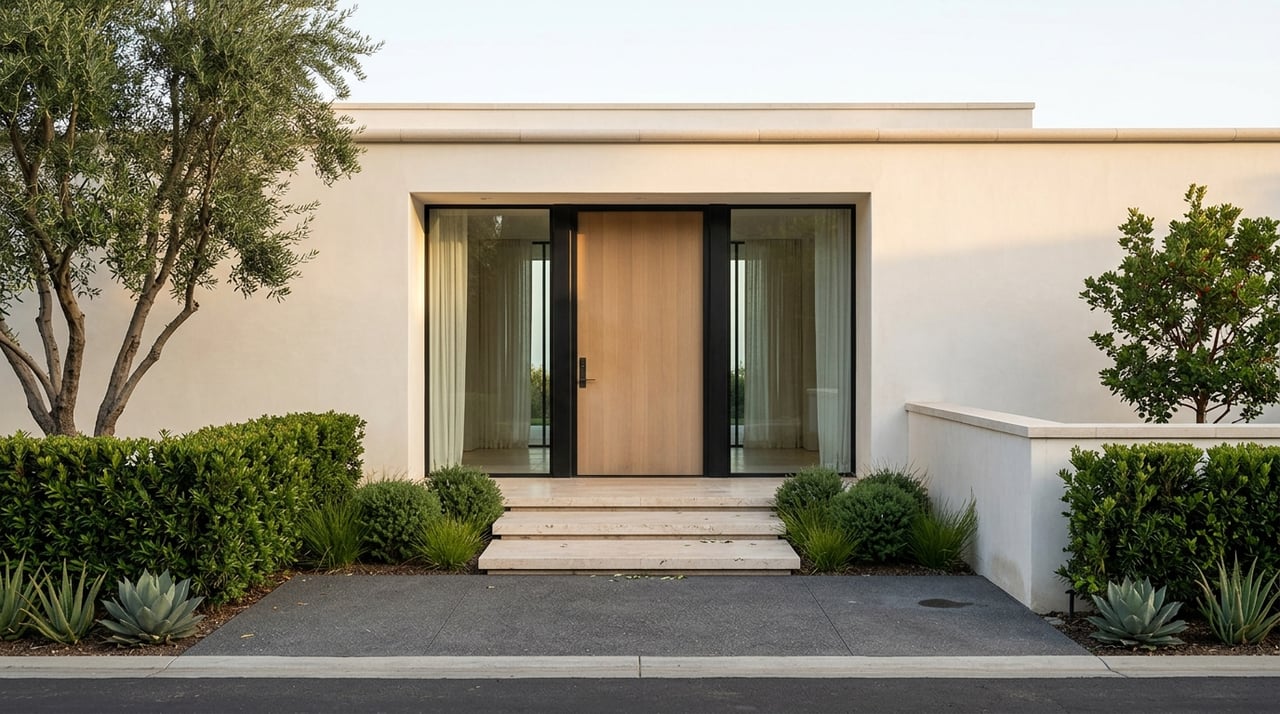
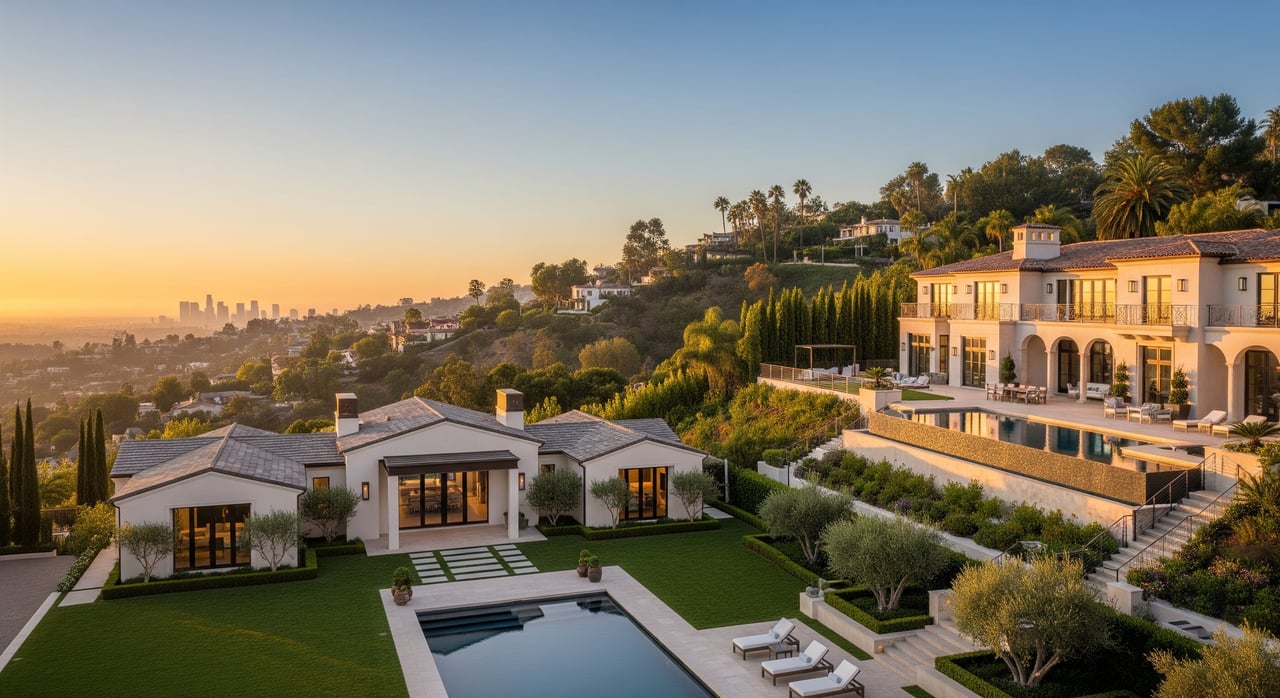
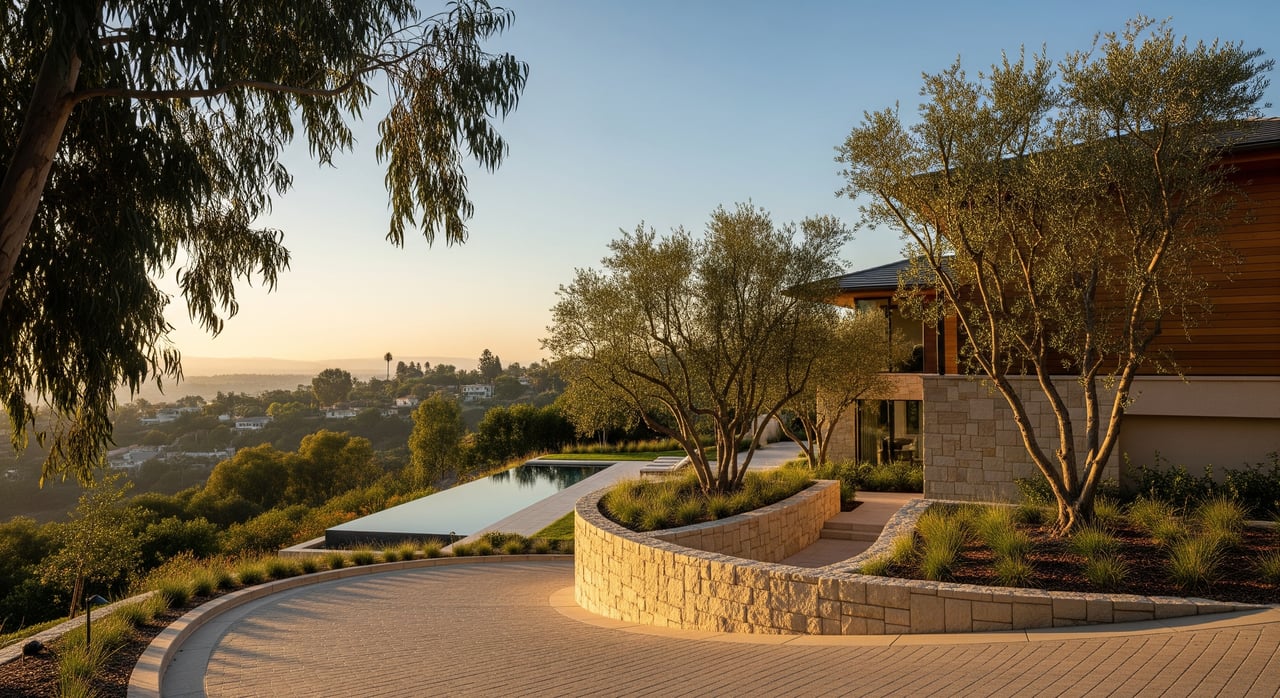
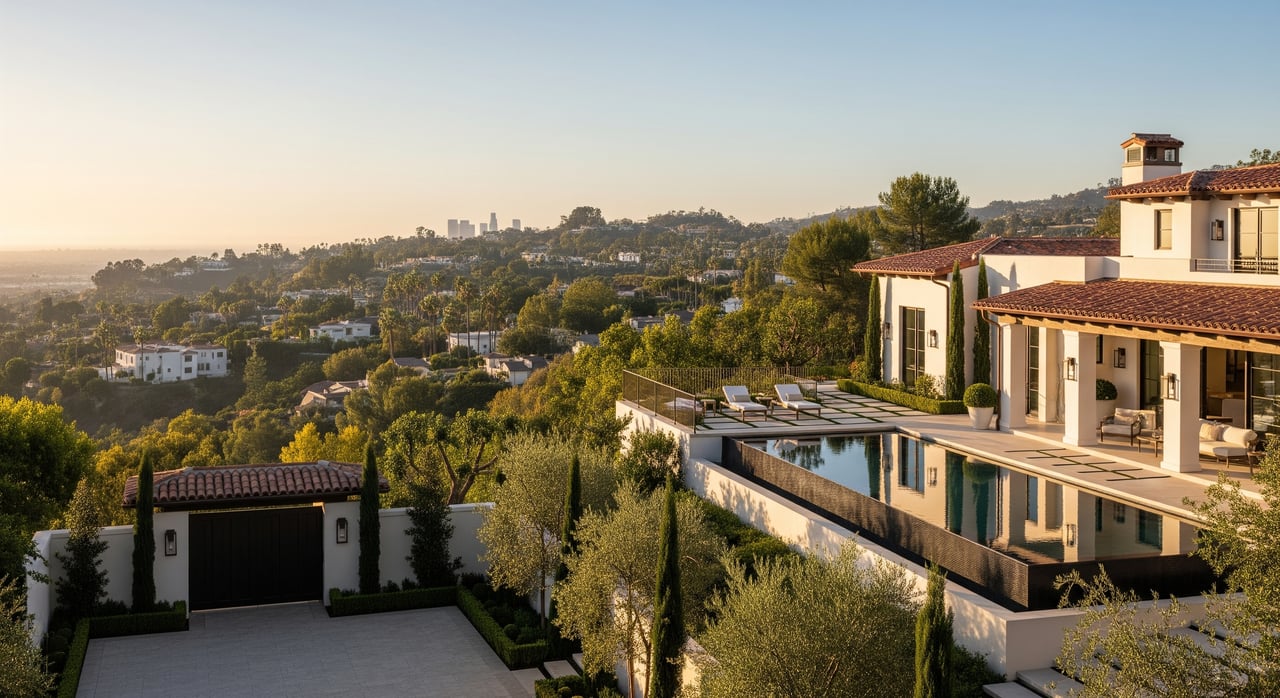
For many buyers, the most iconic side of Sunset-adjacent living is found above the boulevard. These are often private single-family homes where siting, views, and architecture carry as much weight as square footage.
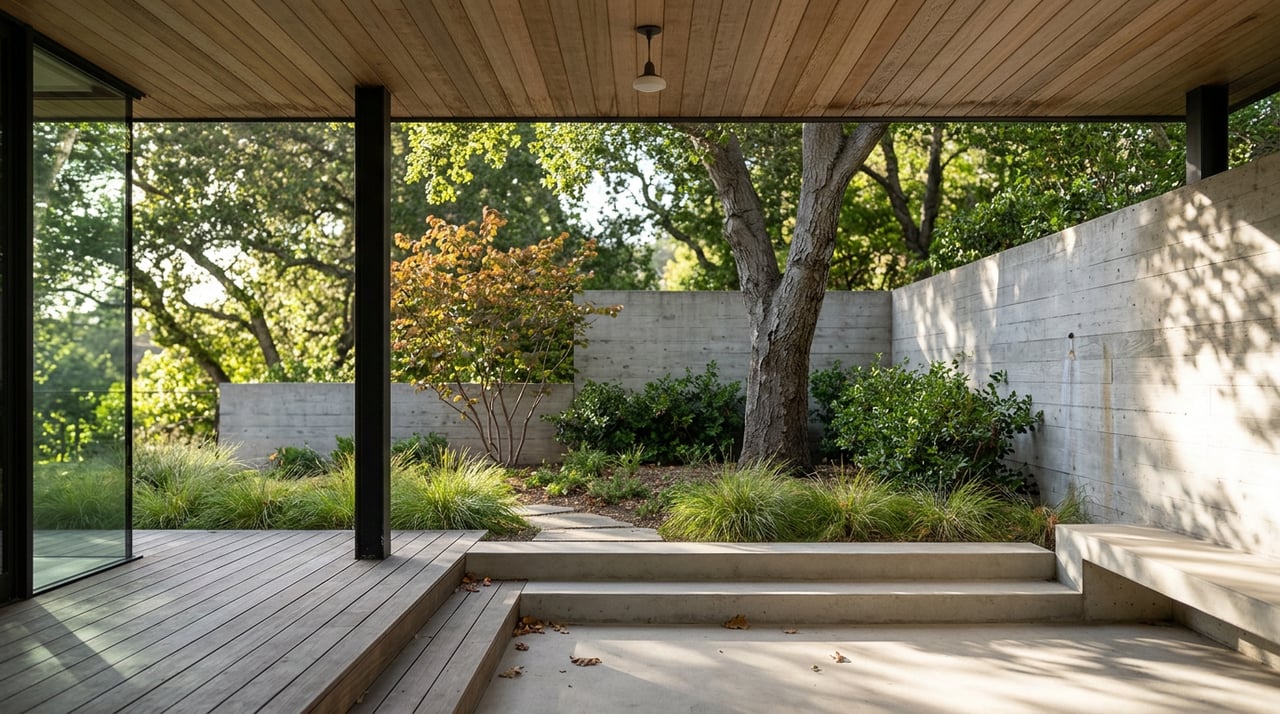
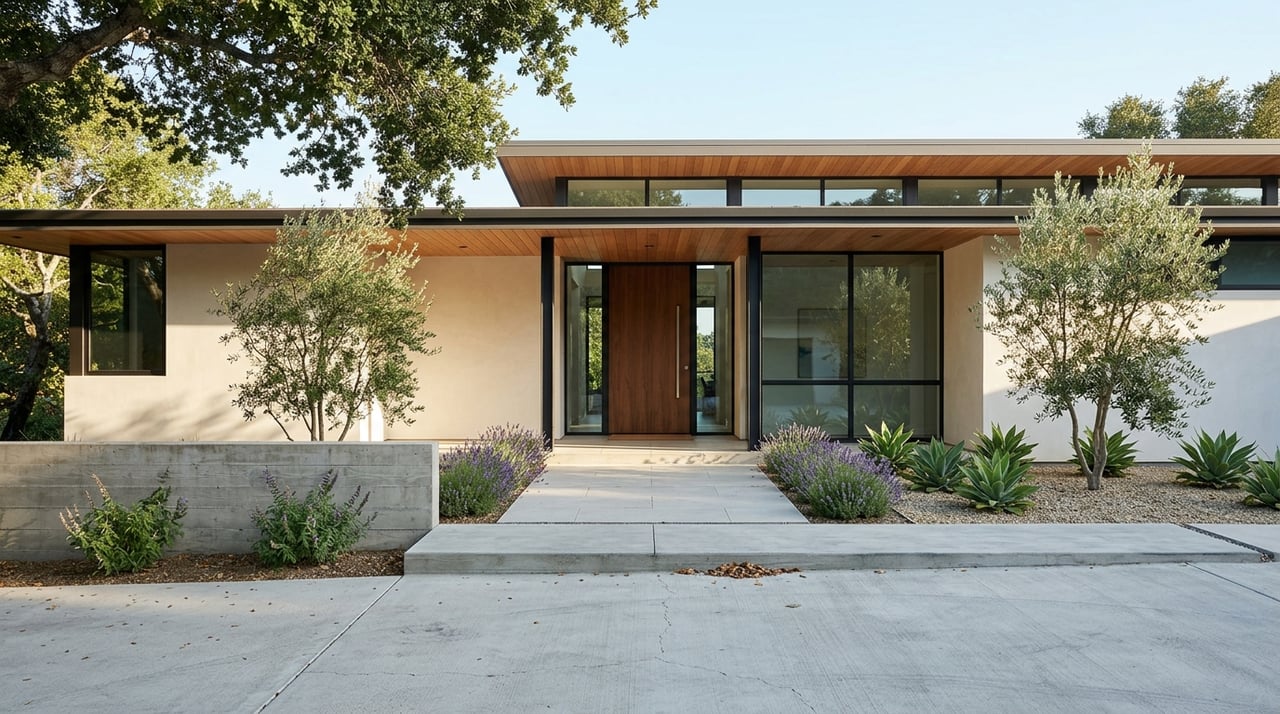
One of the clearest examples is the Chuey Residence on Sunset Plaza Drive, a 1957 Richard Neutra house described by the Los Angeles Conservancy as International Style. Its expansive glass and outdoor-connected living spaces reflect a defining idea in this part of the market: the house is designed to engage the landscape, not shut it out.
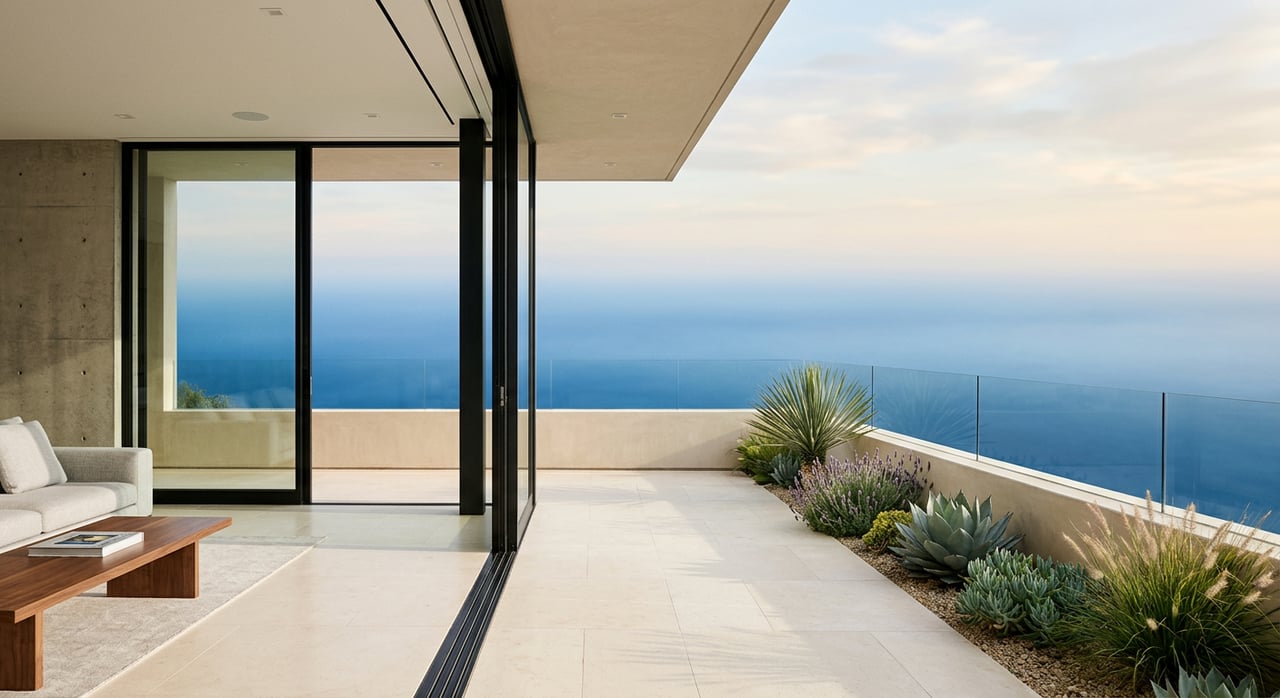
The Stahl House on Woods Drive pushes that idea even further. Designed by Pierre Koenig in 1960, it is known for glass-and-steel construction, unusually large panes of glass, and a dramatic hillside site. It remains one of the strongest examples of how view-oriented architecture in 90069 often prioritizes openness, light, and separation from the street below.
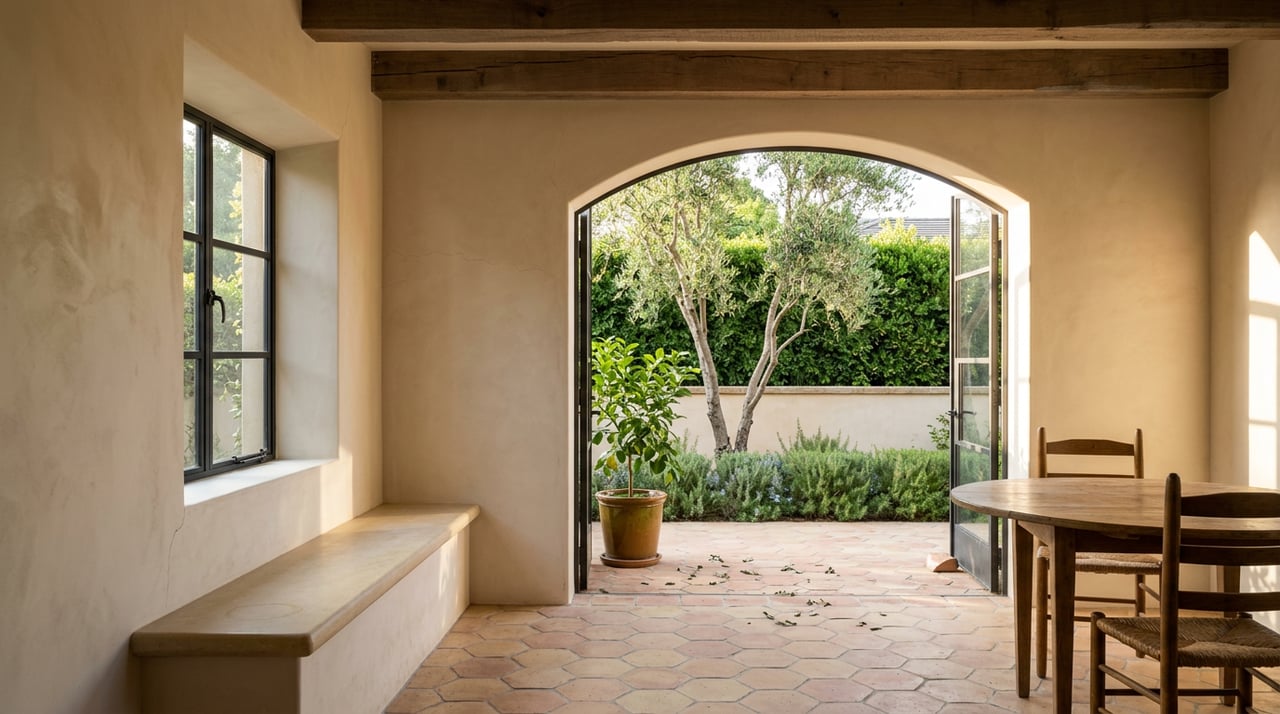
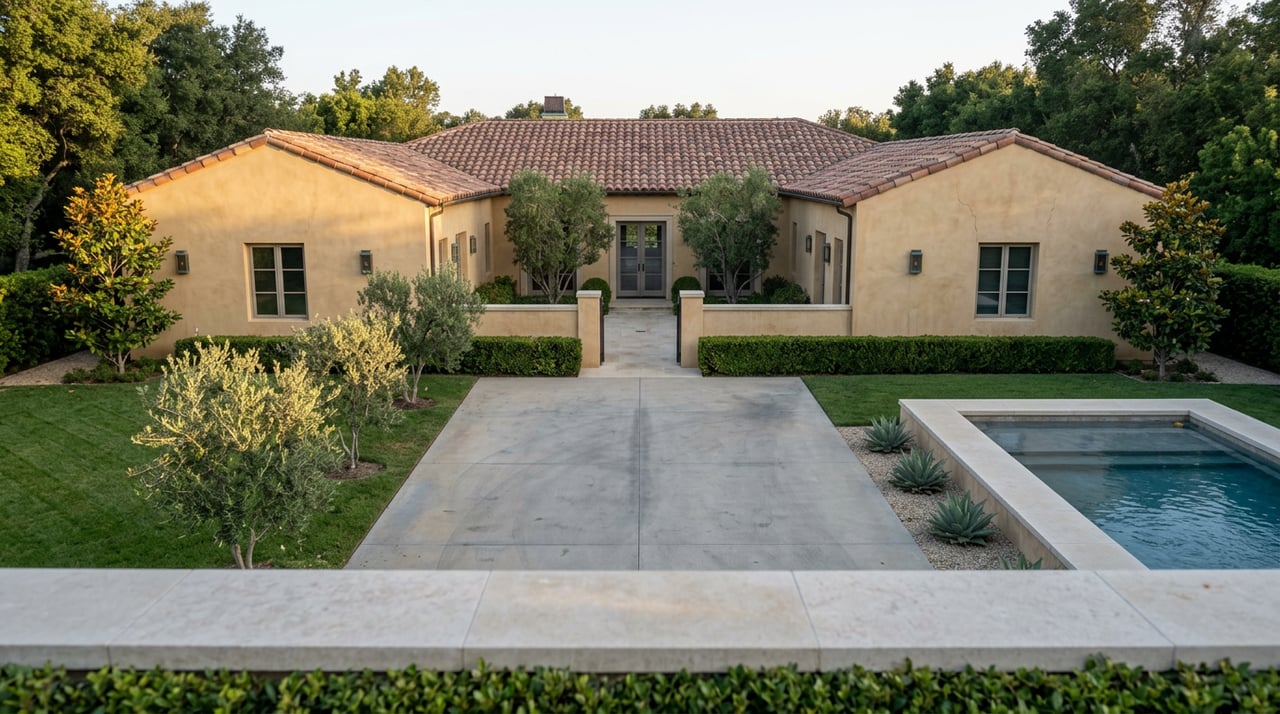
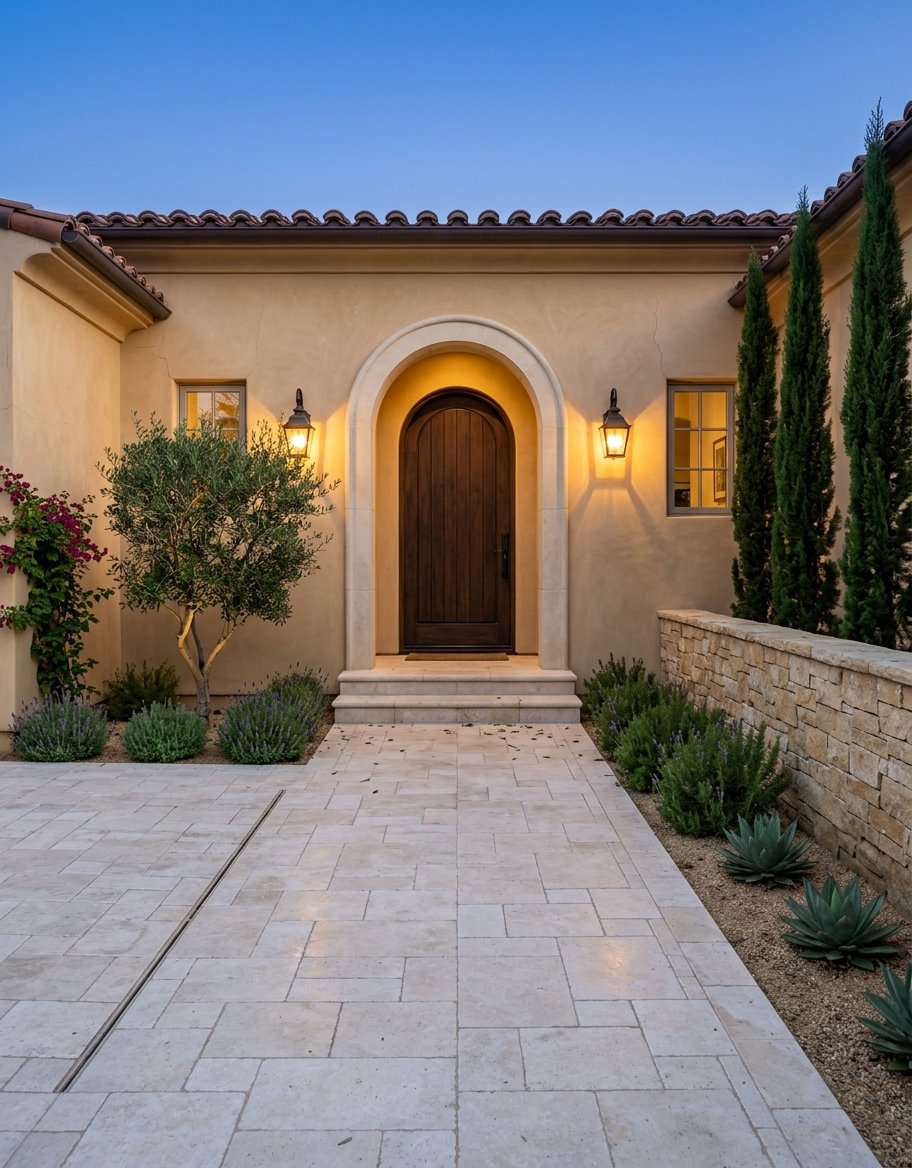
It is also important not to reduce the area to mid-century modern alone. The George Cukor Residence on Cordell Drive is described as Hollywood Regency and Mediterranean Revival, showing that the single-family housing stock includes multiple eras and design languages.
What “architectural pedigree” really means
In the Sunset Strip market, “architectural” often means more than a polished luxury finish. It can point to original work by recognized designers such as Neutra, Koenig, Coate, or other period architects whose homes still shape buyer demand today.
That distinction matters because architecture here is often tied to authorship, original scale, and the relationship between the home and its site. In nearby West Hollywood planning policy, overlay guidelines were adopted in response to larger replacement homes that did not fit neighborhood context. That tells you how seriously design character is treated in this area.
If you are drawn to architectural homes, your search is usually less about generic luxury and more about composition, privacy, views, and the integrity of the original design.
High-rise living near the Strip
The other side of the market is vertical. While the hills offer privacy and land-based living, the blocks around Sunset also support a long tradition of upscale multi-family and tower residences.
A useful historic example is Piazza del Sol on Sunset Boulevard, originally the Hacienda Arms. The Los Angeles Conservancy identifies it as a notable example of Italian Renaissance Revival in a multi-family residential building. That history is a reminder that upscale apartment and condo living near Sunset is not a recent idea.
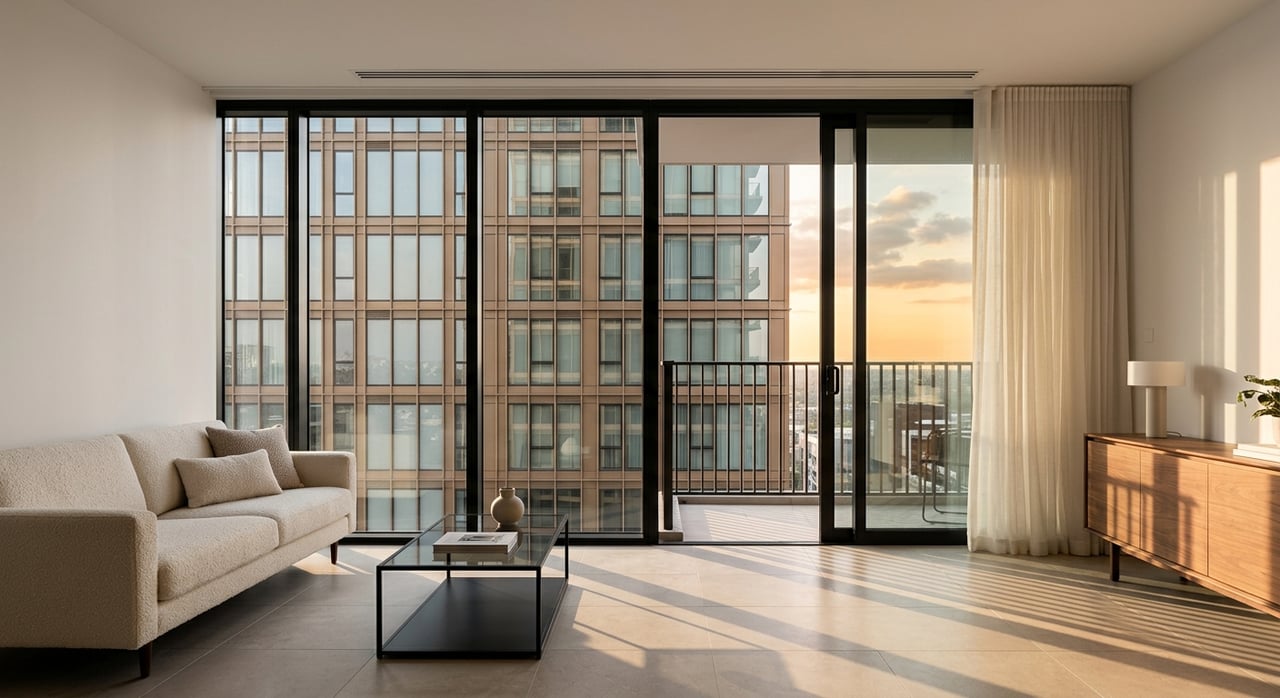
A modern reference point is Sierra Towers on Doheny Road, which the City of West Hollywood describes as a 31-story residential condominium building. For buyers who want a vertical alternative to a hillside house, this is the kind of property type that often defines the conversation.
This is why the choice around Sunset is not simply condo versus house. It is often a decision between vertical, street-connected living and hillside, land-based privacy.
Why towers and hillside homes coexist
Official planning documents describe Sunset as a corridor with both low- and high-rise buildings, along with high-density residential uses near the boulevard. That helps explain why the market feels layered rather than uniform.
Near the Strip, you get a more urban environment with stronger pedestrian activity and immediate access to the corridor’s energy. As you move upslope, the built form becomes more private and more site-driven. The result is a compressed geography where two very different residential experiences sit close together.
For buyers, that is a major advantage. You do not need to leave the broader area to choose between a lock-and-leave vertical residence and a more secluded architectural house.
What “view property” can mean here
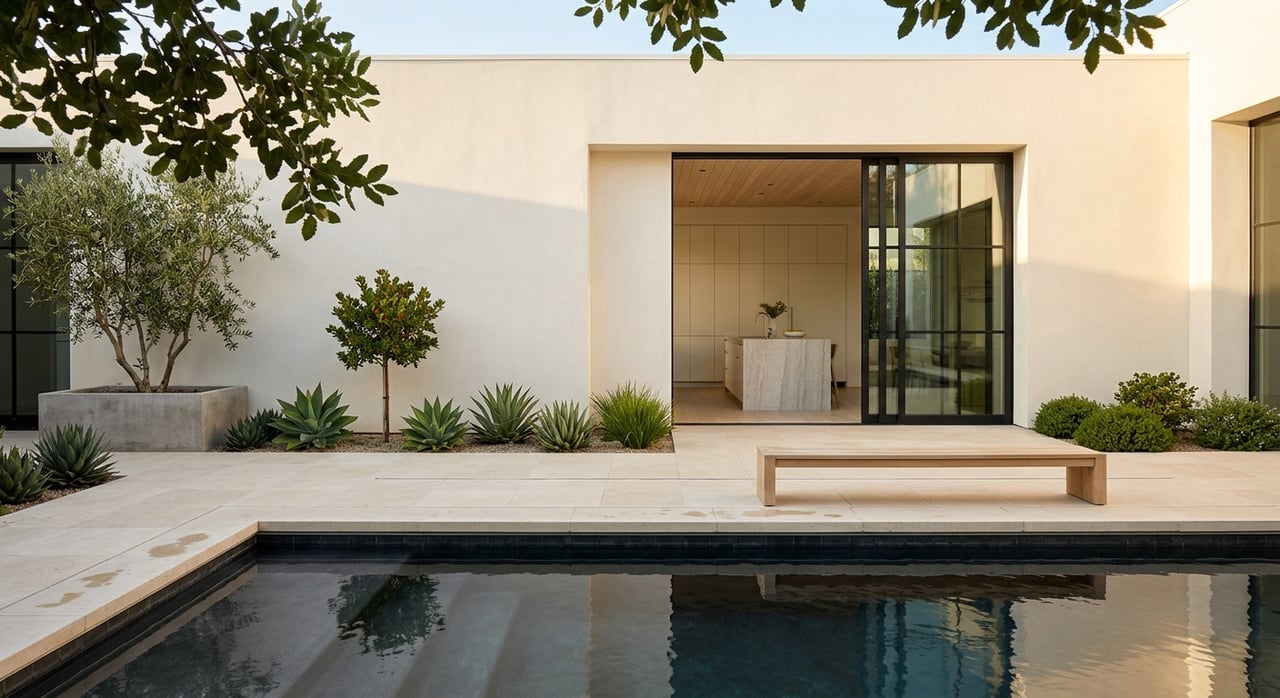
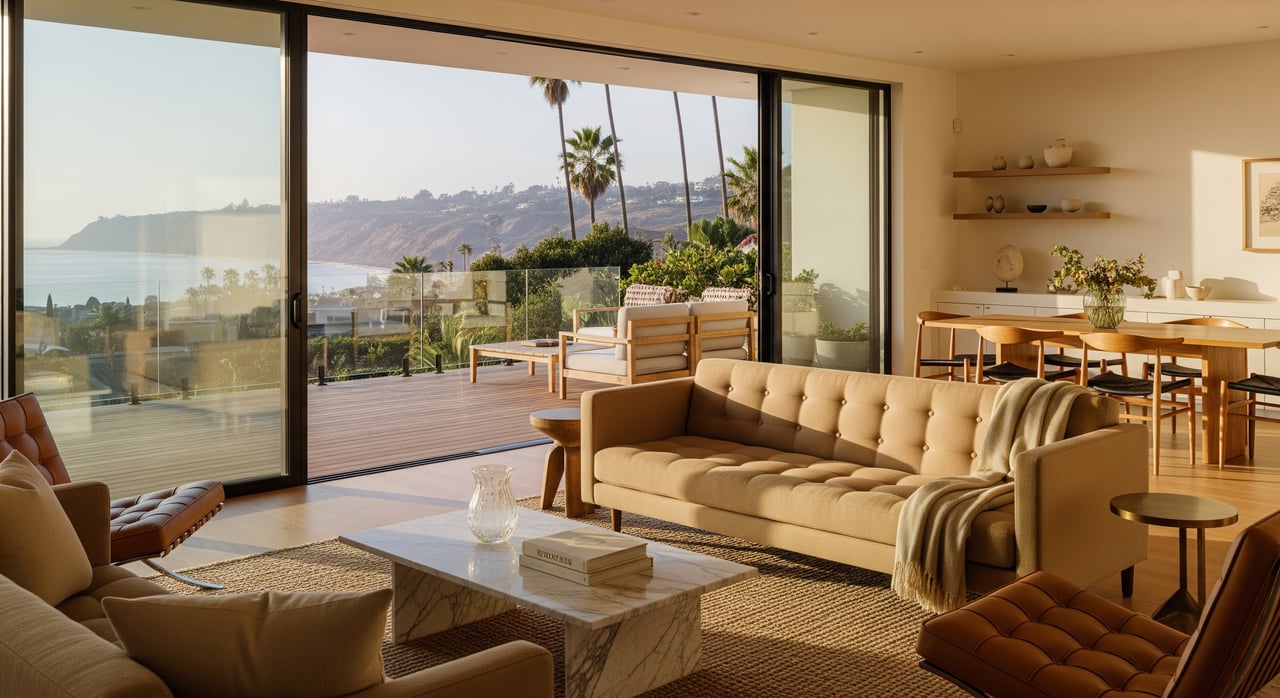
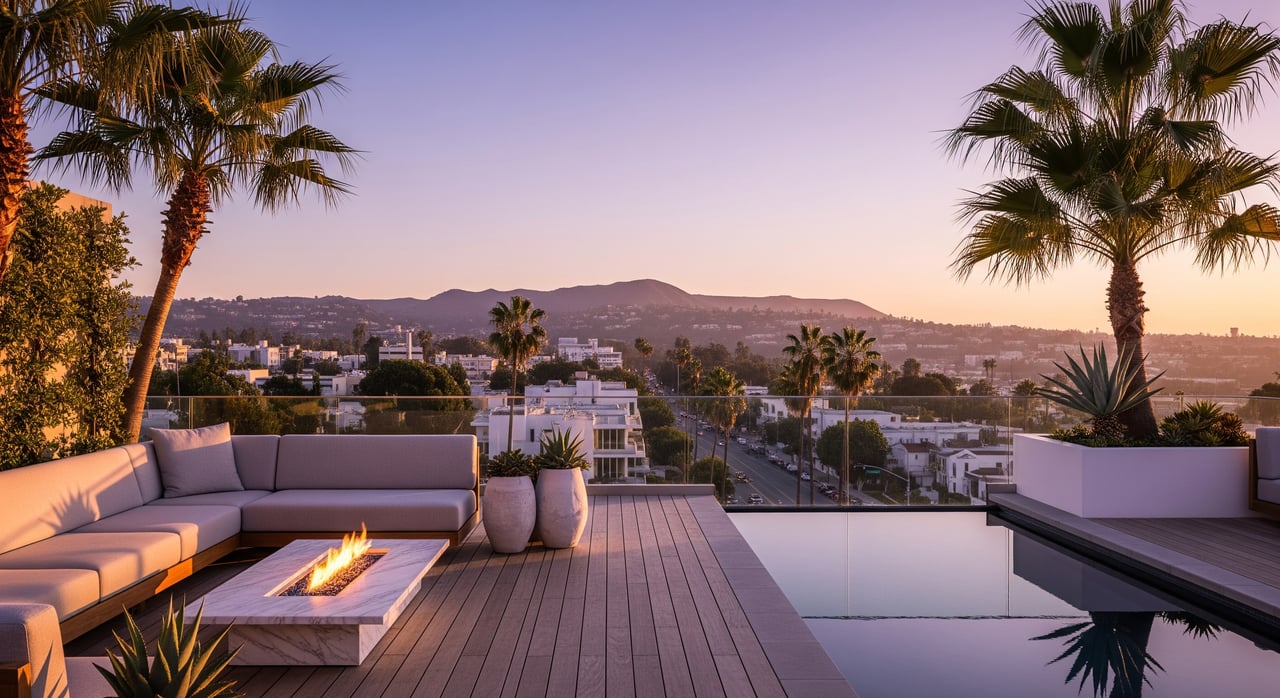
“View property” is one of the most used phrases in Los Angeles real estate, but in 90069 it can point to two very different things. It may describe a hillside home with terraces, broad glazing, and indoor-outdoor circulation. Or it may refer to a higher-floor condominium in a residential tower.
The distinction matters because the lifestyle behind the view is not the same. In a hillside home, the view is often tied to land, privacy, and architectural framing. In a tower, the view is more closely tied to elevation, convenience, and a service-oriented residential format.
Walkability and urban intensity
If you want walkable access to the Strip, it helps to understand what comes with it. West Hollywood planning documents describe the area as pedestrian-active and visually intense, with a streetscape shaped by billboards and tall wall signs.
The city is also investing in public-realm improvements, including landmark gateway designs at Doheny Road, Marmont Lane, and La Cienega Boulevard. These projects are intended to strengthen the Strip’s identity and make crossings more comfortable for pedestrians.
That is useful context when you compare addresses. Homes with easier access to Sunset can offer convenience and connectivity, but they are also part of a more urban setting.
Signage is part of the environment
On the Sunset Strip, signage is not just background. West Hollywood’s Sunset Arts & Advertising Program treats creative signage as part of the corridor’s architecture and notes that this visual tradition dates back to the 1920s.
Recent 2025 amendments tightened standards for luminance, illuminance, and orientation for new billboards. For buyers, this reinforces an important point: the city actively manages the visual edge between housing, nightlife, and the street.
In other words, the character of Sunset is not only shaped by buildings. It is also shaped by how the corridor presents itself in public space.
How to choose the right fit
If you are in the early stages of your search, it helps to frame the decision around lifestyle rather than property type alone. A hillside architectural home and a high-rise residence may both be “luxury,” but they deliver very different daily experiences.
A hillside home may suit you if you value:
- Privacy and physical separation from the boulevard
- Architectural authorship and original design character
- Indoor-outdoor living shaped by views and topography
- A more site-specific residential feel
A tower or multi-family residence may suit you if you value:
- A vertical living format
- Closer connection to the Sunset corridor
- An urban setting with strong pedestrian activity
- A simplified, more lock-and-leave style of ownership
The key is to decide what you want your home to do for you day to day. In 90069, that answer often points clearly toward one side of the market or the other.
Why architectural literacy matters
In a market like this, reading the details of a property is just as important as reading the price. The difference between an important period residence, a view-driven contemporary, and a tower residence is not cosmetic. It affects privacy, access, setting, and long-term positioning.
That is especially true in an area where planning, design history, and streetscape controls all shape value. When you understand how the corridor is built and managed, you can evaluate homes with more confidence and far better context.
Whether you are drawn to a glass hillside residence or a high-rise home near the Strip, the best opportunities usually reveal themselves through careful positioning, local knowledge, and a strong eye for architecture.
If you are considering a purchase or sale near the Sunset Strip and want experienced, design-literate guidance, connect with Steve Frankel for discreet, strategic counsel tailored to this distinctive Westside market.
FAQs
What types of homes are common near the Sunset Strip in 90069?
- The area includes both hillside single-family homes and upscale multi-family or tower residences, with official planning documents describing a mix of low- and high-rise buildings.
What does an architectural home mean in the Sunset Strip area?
- In this market, an architectural home often refers to a residence with notable design authorship, original period character, and a strong relationship to its site, views, and outdoor space.
Are there high-rise residential buildings near the Sunset Strip?
- Yes. A well-known example is Sierra Towers on Doheny Road, which the City of West Hollywood identifies as a 31-story residential condominium building.
Is the Sunset Strip only about condos and towers?
- No. While the corridor includes vertical residential options, the surrounding hills and adjacent streets also contain notable single-family homes in several architectural styles.
What architecture styles appear in the 90069 market?
- Styles associated with the area include Mid-Century Modern, International Style, Hollywood Regency, Mediterranean Revival, Italian Renaissance Revival, and contemporary tower design.
What should buyers compare when choosing between a hillside home and a high-rise near Sunset?
- The most useful comparison is lifestyle: hillside homes generally emphasize privacy, siting, and views, while high-rise living usually emphasizes vertical convenience and closer connection to the Strip.