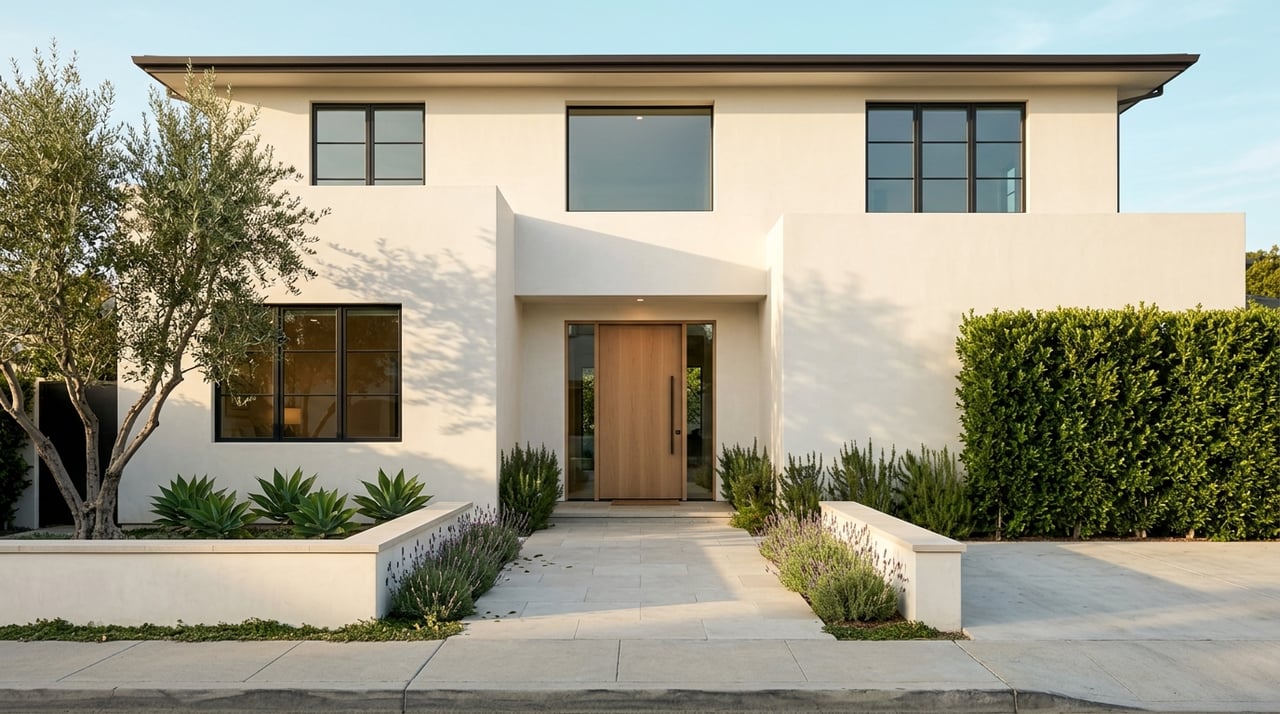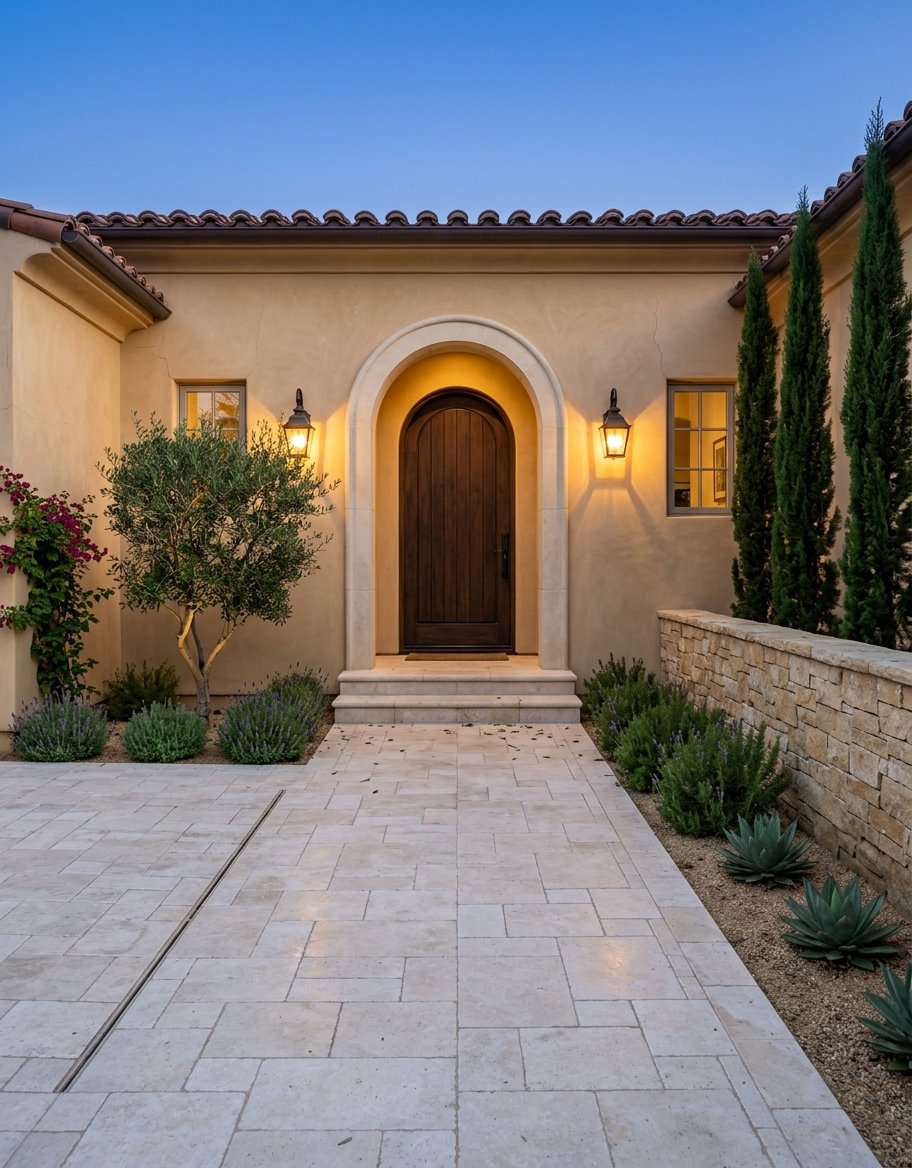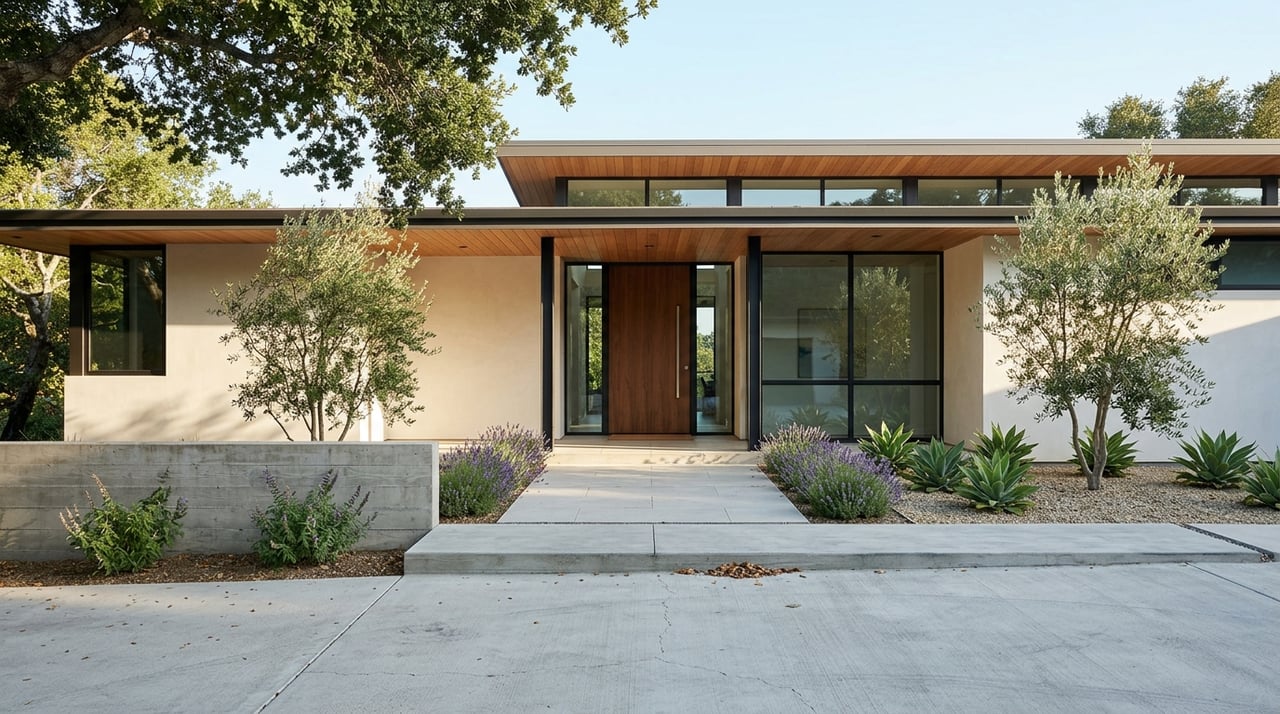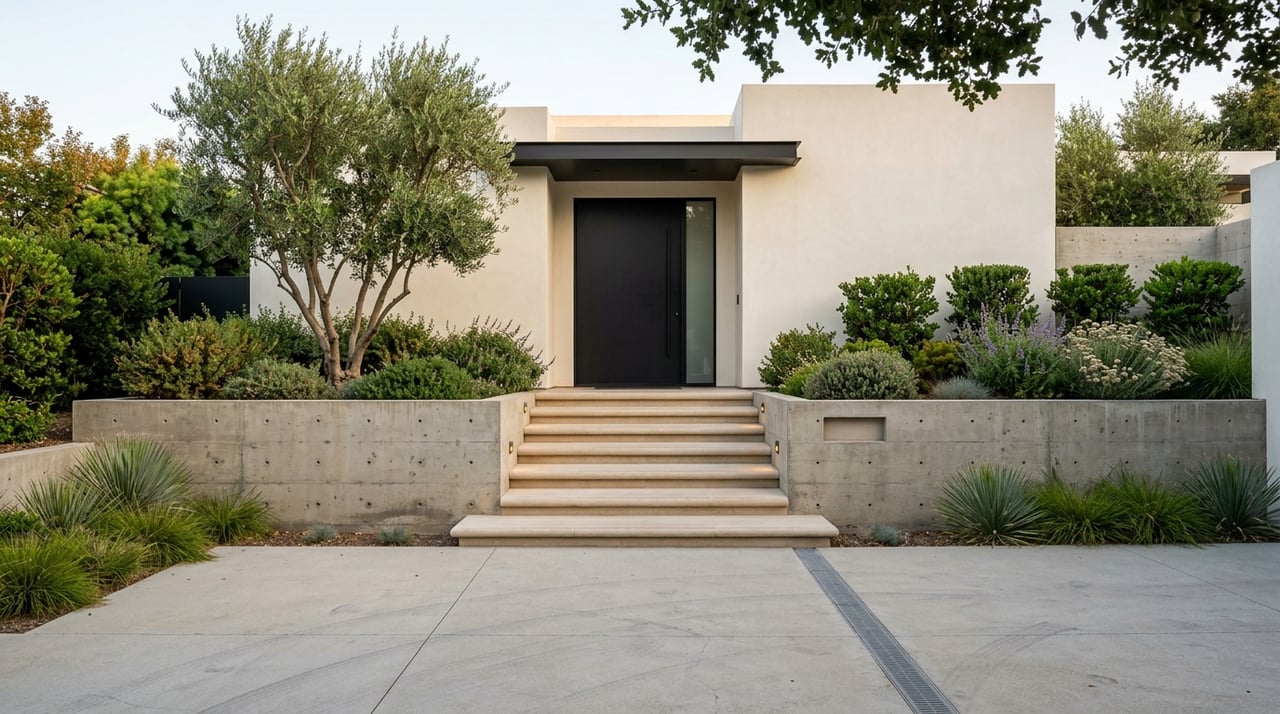
Two houses in Santa Monica can share a builder, a lot size, and a list price, and still sit on opposite sides of a line that determines whether a kitchen addition takes six months or two years. That line has no sign, no name on a map most buyers ever see, and no relationship to the neighborhood boundaries agents use in conversation. It is the jurisdictional edge of the California Coastal Commission, and in this city it runs down specific streets rather than around specific neighborhoods.
For a buyer comparing two similarly priced listings, that distinction matters more than square footage.
A Line Drawn Through Streets, Not Neighborhoods
The Coastal Commission's authority in Santa Monica does not track North of Montana, Sunset Park, or Ocean Park as locals use those names. According to the Santa Monica Daily Press's own explainer on the agency, the commission grants final approval to projects west of 4th Street between Adelaide Drive and Pico Boulevard, and west of Lincoln Boulevard from Pico Boulevard to the city limits. A property a block east of that line answers to the city's standard permitting process. A property a block west answers to a state agency with a very different calendar.
The commission's own mandate, as stated on its website, is to protect, conserve, restore, and enhance environmental quality while maximizing public access to the ocean, a mission that predates most of the housing stock it now regulates. The agency was created by a 1972 ballot initiative and given permanent statutory teeth by the California Coastal Act of 1976. Its reach is narrower in dense urban settings than along open coastline, but inside that narrower band, its word is close to final.
What Falls Inside the Line, and What Doesn't
Not every project inside the boundary needs a Coastal Development Permit, and that distinction is where most of the confusion starts. The Coastal Act, in the commission's own description, defines development broadly, with only a few narrow exceptions, so the trigger is rarely about the size of a project and almost always about whether it changes the building's shell, footprint, or use. Los Angeles County's coastal planning office lists the categories that count: demolition, construction, replacement, or any change to the size of a structure.
Practically, that means a homeowner west of Lincoln Boulevard can usually repaint, re-tile, or swap fixtures without triggering state review. The same homeowner adding a second story, expanding a deck, or converting a garage into living space is filing paperwork that a city inland, say Brentwood or Westwood, would never require. The address decides the process before the architect ever picks up a pencil.
One Monthly Calendar for the Whole California Coast
Here is the part that surprises most buyers: the delay isn't really about Santa Monica. It's about how many other cities are asking the same twelve commissioners for the same kind of approval, on the same monthly schedule.
A Notice of Decision filed by the state Natural Resources Agency on April 27, 2026, shows exactly how that works in practice. On that single docket, commissioners extended a permit for a hotel project at 1515 Ocean Avenue in Santa Monica to January 2027, ruled on a bluff-top single-family rebuild for the Sayer Family Trust in Encinitas, weighed an amendment to the Pacific Edge Hotel remodel from Dune Drifter LLC in Laguna Beach, and reviewed a five-unit condominium conversion from Seabreeze Development Company in Venice. A homeowner on Adelaide Drive filing for a remodel is, in effect, standing in the same line as a hotelier in Orange County and a developer in San Diego County. The commission doesn't work city by city. It works agenda by agenda, for the entire California coastline, and Santa Monica gets whatever slot is available that month.
The $15.5 Million Lesson on Ocean Avenue
The cost of misjudging that system has a real address. In 2009, the Farzam family applied for a coastal permit to replace two aging motels on Ocean Avenue with a moderately priced motel. What they built instead was a luxury hotel with rooms running $300 to $800 a night. The commission's response, detailed in its own enforcement record covered by the Santa Monica Daily Press, was a $15.5 million fine, the largest in the agency's history at the time. The settlement required the family's company to set aside 86 rooms at $180 a night inside the new Shore Hotel, replacing the affordable units the original motels had provided.
The lesson for a residential buyer isn't the dollar figure. It's that the commission's review isn't a formality that developers can outrun by building first and negotiating later. The agency has enforcement authority that survives the ribbon-cutting, and it has used it.
A City Still Waiting on Its Own Coastal Plan
Most California coastal cities have completed a Local Coastal Program, the planning document that lets a city, rather than the state, decide most coastal permits. Santa Monica has not. The city council voted in late May 2026 to authorize a Memorandum of Understanding with the Coastal Commission aimed at finally completing one, building on a draft Coastal Land Use Plan the city first circulated back in 2018. According to the city's own announcement, the new process begins in July 2026, with a goal of certification by the end of 2027.
Until that happens, the city has less authority over coastal projects than it will have once certified. The city's press release is specific about what changes: once certified, the plan will give the city greater approval authority over projects such as temporary events, commercial tenant improvements and adaptive reuse. Notice what's on that list and what isn't. Single-family remodels aren't named as a category the city expects to gain control over anytime soon.
Sacramento Is Trying to Loosen the Line, Just Not for This
The city isn't only negotiating with the commission. It's also sponsoring state legislation to work around it. Assembly Bill 1740, backed by Santa Monica alongside Streets for All and Abundant Housing, would let cities that qualify as "urban multimodal communities" locally approve housing developments and transportation improvements without individual coastal permits, provided the city has a high-quality transit corridor near the coast and has adopted greenhouse gas reduction targets. The bill's timing is tied partly to the 2026 FIFA World Cup and the 2028 Olympics, both expected to bring crowds to coastal areas the current permitting system wasn't built to move quickly.
Assemblymember Zbur, describing the intent behind the bill, put it this way:
"Current Coastal Commission standards must be modernized to achieve the important goals of the Coastal Act."
The bill is aimed at multi-unit housing and transit infrastructure, not at a homeowner adding a primary suite. If it passes, it will change the math for apartment buildings and mixed-use projects near transit corridors well before it changes anything for a single-family remodel west of 4th Street. A buyer shouldn't expect this legislation to shorten their own project timeline, even as it demonstrates that the city itself has concluded the current system runs too slow.
What Two Otherwise Identical Listings Can Actually Cost You
None of this shows up in a listing description. A house on Adelaide Drive and a house a few blocks east on Georgina Avenue can carry the same price tag, the same lot size, and the same renovation wish list, and only one of them needs a Coastal Development Permit to execute it. That difference doesn't change what the house costs to buy. It changes what the house costs to hold while a remodel works its way through a state agenda that also has to get to Encinitas, Laguna Beach, and Venice first.
For a buyer weighing Santa Monica against other Westside options, the coastal boundary is worth locating before falling in love with a floor plan that assumes a fast timeline. The house itself won't tell you which side of the line it's on. The address will.
A note on what this covers: this piece explains a jurisdictional boundary and a permitting process. It is general market information, not legal or planning advice, and any buyer with a specific address or project should confirm current requirements directly with the City of Santa Monica or the California Coastal Commission before making decisions.
A Few Questions Worth Asking Before You Write an Offer
Does the Coastal Zone boundary apply to condos the same way it applies to single-family homes? Yes. The Coastal Act's definition of development applies to the property, not the ownership structure, so a condo building west of the line faces the same permit triggers as a house.
How do I find out if a specific address falls inside the boundary? The city maintains its own coastal zone map, and the commission's South Coast District office in Long Beach can confirm jurisdiction for an individual parcel. For any property under serious consideration, that confirmation is worth getting in writing before assuming a renovation timeline.
If you're comparing Santa Monica properties and want to understand what a specific address means for your renovation plans before you write an offer, Steve Frankel can walk through what the coastal boundary means for that particular house.